When Principles Guide the Sports Journalist

When Principles Guide the Sports Journalist
Fans Have a Role in Influencing
In an era when the journalistic profession was a message, passion, and responsibility before being a means of fame and spread, the real journalist carved in rock to make his name and prove his place in the profession of hardships, far from immediate interests and quick gains. Print journalism, despite its limited capabilities at the time, was a factory for big names that built their presence through thought, culture, awareness, and courage, and provided purposeful criticism and deep insights that contributed to developing and elevating the sports field. In that time, the one with thought, knowledge, and professional opinion was the one who led the masses and guided them towards a correct understanding of events, not being led by fleeting emotions and reactions. Credibility was the real journalist's capital, and objectivity was the cornerstone upon which his status and respect among followers were built. Therefore, many names remain immortal in memory, not because they were the most visible, but because they were the most honest, influential, and independent.
With the great development in media, the emergence of digital platforms, and the spread of social media, the space for expression expanded and sources of opinion multiplied, which is positive in essence, but it created an environment where seeking interaction and spread became a goal for some, even at the expense of professionalism and objectivity. Sensationalism prevailed over analysis, the voice of controversy rose at the expense of balanced presentation, and some opinions began to be shaped according to what pleases the masses, not according to what facts and data dictate. With this shift, roles often reversed; the masses began to lead some opinion-makers instead of being led by thought and responsible analysis, and the criterion for some is no longer technical conviction or professional vision, but public opinion and the fluctuating waves of social media. So you find someone who excessively praises a coach or player when successful, then completely turns against them at the first stumble in response to the crowd's mood, as if professional principles are changeable according to the noise, not according to facts and objective standards. Moreover, unjustified disparity in evaluating events, clear selectivity in addressing issues, and double standards in judging similar occurrences are all practices that strip the journalist of much of his credibility and weaken the viewer's trust. Today's sports follower is more aware and mature, more capable of distinguishing between one who gives a professional opinion rooted in firm conviction and one who changes his stances according to interests, inclinations, or interaction and spread calculations. The problem did not stop there; new methods emerged based on inciting the masses, trading on emotions, and soliciting sympathy to achieve quick presence and temporary spread. Although these methods may give their owners high numbers of views and followers, they are soon exposed before the conscious viewer, because today's sports awareness is more capable of sorting professional presentation from populist presentation and distinguishing between the real journalist and the creator of temporary sensationalism. Hence the real differences become clear: the free, pure journalist does not change his opinion with changing public mood, nor does he change his professional convictions according to pressures, noise, or interests. Rather, he remains steadfast on his principles, says what he sees as truth with honesty and detachment, whether people agree or disagree, because he knows his mission is not to win applause or increase follower numbers, but to convey truth, respect the viewer's mind, and contribute to raising the level of sports awareness. The free journalist does not fanaticize for a name, does not flatter a club, does not quarrel with a person, and does not allow his personal inclinations to control his professional judgments. He weighs matters with justice and fairness, gives every right-holder his due, and puts public interest above all considerations, because his message is greater than to be reduced to a passing stance or temporary gain. The strength of the real journalist lies not in his ability to create controversy, but in his ability to remain steadfast on principle, admit error when it occurs, and backtrack with courage, because credibility does not mean infallibility, but integrity in correcting it. The professional journalist does not fear contradicting the prevailing opinion if the facts are on his side, nor does he sell his convictions for a temporary wave that soon ends. In the end, free and pure media remains the living conscience of the sports scene, the mirror that reflects the truth as it is, not as others wish to see it.
Noise may rise, but it does not last; populism may attract attention, but it does not make history. Credibility is the true legacy that remains for every respected journalist, the moral wealth that cannot be bought or earned except through honesty, independence, and steadfastness on principles. The real journalist is not measured by the number of followers who applaud him, but by the number of minds that trust him. His name is not immortalized by the size of the noise he makes, but by the value of the impact he leaves. Because the masses may change, but sincere principles remain immortal and unchanging.
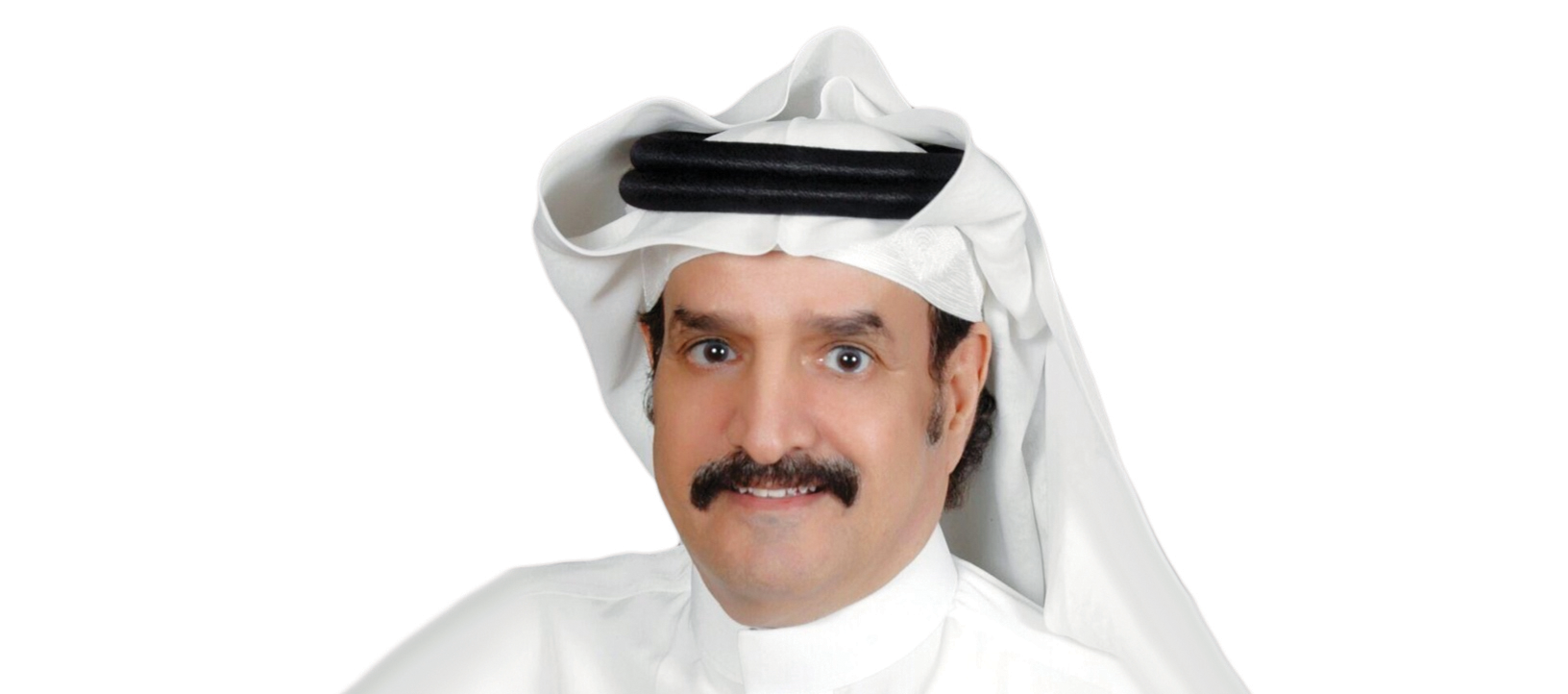
1 Saleh Al-Qabalan
Original source: Al-Riyadh


Comments (0)
Be the first to comment.