Ali Shomo: UAE from Modest Media in 1971 to Launch of the World's Largest Satellite
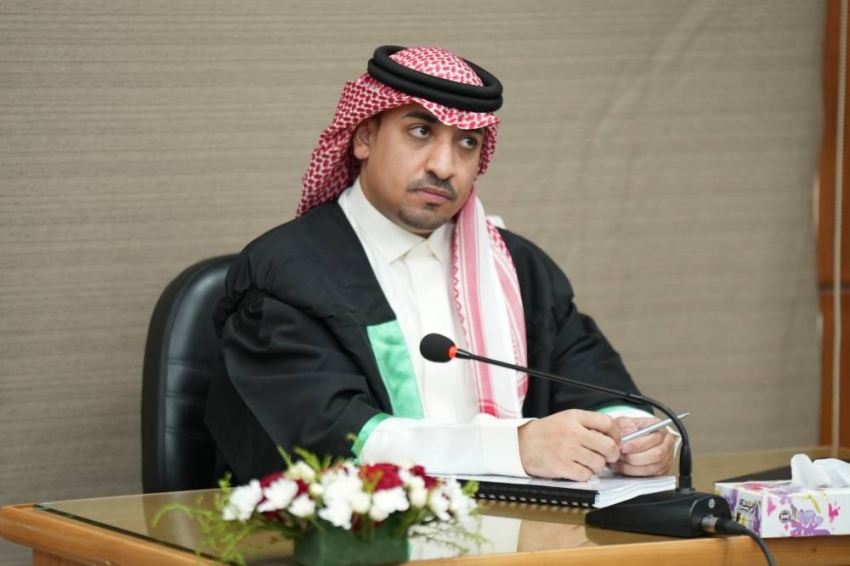
Sultan Bin Zayed Center / Former Sudanese Information Minister / Lecture Abu Dhabi, April 25 / WAM / His Excellency Ali Shomo, former Sudanese Minister of Information, praised the excellence and sophistication of media in the United Arab Emirates. He congratulated the UAE on launching its first satellite, 'A1A', noting that it is the most advanced in the world, marking an important phase in UAE media due to the advanced services it will provide. He expressed pride that this great achievement is being accomplished by national hands.
He said that with this achievement, the region is promised a competitive and advanced future in civil and military fields.
This came during a lecture he delivered yesterday at the Cultural Media Center of His Highness Sheikh Sultan bin Zayed Al Nahyan, Representative of the President of the State, titled 'The Role of Media in Nation Building: The United Arab Emirates as a Model'.
The lecture was attended by His Excellency Ibrahim Al Abed, Director General of the National Media Council; His Excellency Habib Yousef Al Sayegh, Executive Director of the Cultural Media Center; representatives of the Sudanese embassy; a gathering of diplomats, media professionals, and researchers; and a group of professors and female students from the Media Department at UAE University.
Ali Shomo, who previously served as Undersecretary of the Ministry of Information and Culture in the UAE, reviewed in his lecture the role of media in nation building. He pointed to the nature of the infrastructure on which UAE media was based. He said that what we see today in terms of media civilization and progress would not have happened without the care of the late founding leader Sheikh Zayed bin Sultan Al Nahyan (may God have mercy on him) and his support for all stages of building the media system in the country, and deepening the roots, identity, and unity of the Emirates in the hearts of the nation's sons through his tours and meetings with citizens and residents in various regions of the country.
He spoke about the emergence of print media and the beginning of the appearance of Al Khaleej newspaper as the first newspaper in the UAE, followed by Al Ittihad newspaper, which people read every morning. It spoke about the union and the UAE, not about Abu Dhabi, Dubai, or other emirates, thereby fostering a national sense. Then other newspapers followed.
He also touched on the emergence of radio and television at that time. He said that Abu Dhabi Television started from a small apartment in Hamdan Street with simple capabilities, and not many watched it due to the lack of a strong transmission signal.
He added that the media beginnings were modest, but with the support of the wise leadership and its keenness to instill the union in the hearts of the nation's sons, they developed rapidly. Today, the UAE is one of the most developed countries in this field. He pointed to the channels and media cities spread across the country, in addition to many stations and research centers choosing the UAE as their headquarters due to the freedom and diversity the country offers, which is unparalleled in the world.
Shomo pointed out that media censorship in the UAE is distinguished from other countries in that it aims to protect the youth from deviant and unethical ideas, not to prevent or suppress opinion.
He added that UAE media is characterized by its wisdom and ability to keep pace with events without compromising national, ethical, and humanitarian principles, citing the UAE's stances on several Arab issues.
He touched on Sheikh Zayed's (may God have mercy on him) keenness on freedom of opinion and the press through his communication with citizens and journalists. His office and tours were platforms for serious and effective dialogue. He noted his policy and the scope of freedom in presenting and discussing opinions, in addition to his concern for the UAE's reputation abroad.
Professor Ali Shomo spoke about the conditions of media work in the early days and the difficulty of accessing information and delivering it to all emirates on the same day. He touched on the ruggedness of the roads at that time, noting that the Ministry of Information in the early days of the state sought foreign expertise to improve the level of newspaper distribution and delivery in a timely manner.
He addressed the interest in film production, saying it stemmed from Sheikh Zayed's movement and direct management model. He mentioned that cinematography and photography formed a memory for the nation and a resource for researchers. He called on them to read what is available and put it in its proper context, noting the preservation and updating of these topics.
He pointed out that Sheikh Zayed's tours gave rise to what was called 'mobile cinema', where dialogue and discussion with him took place through the provision of microphones and devices to facilitate these conversations. There were no barriers, neither in place nor in opinion, which led to the citizens' love for the union and its achievements.
He said that after just a few years of its founding, and through external media, the UAE was able, after only about four years, to be on everyone's lips and eyes and the talk of nations. This prompted major media and political figures to come to the UAE to see it up close. They returned and wrote about the UAE in a way that highlighted Sheikh Zayed's role, his wise policies, and his major decisions, such as the decision to cut off oil in October 1973. In its external media, the UAE initially relied on Arab newspapers that highlighted the decisions and achievements of the UAE union.
He praised the UAE's media discourse and policy, describing it as balanced, calm, and thoughtful, not leaning towards conflict but towards reconciliation. He touched on the great and distinguished role of the Emirates News Agency (WAM) in national media, as it managed to convey the image of the UAE to the nation's sons and abroad, and to paint its picture in the world. He spoke about media decentralization and its role in transmitting news of the UAE and its rulers, providing balance in media content to deepen national identity and everything related to it, including heritage, literature, poetry, dances, and folklore.
He spoke about the role played by the Ministry of Information during that period, noting that history will record that the UAE was the first to think of the importance of establishing the Gulf Cooperation Council (GCC). He talked about unifying seven institutions, as Abu Dhabi hosted the first meeting of Gulf information ministers, which resulted in the idea of creating Gulf Television, a Gulf News Agency, a joint training center, and linking and exchanging programs.
He said that the UAE government provided expertise, freedoms, and specialists to develop its media, and opened horizons for imagination and implementation without any complications, which constituted a great success. It also provided financial resources for national media outlets, turning them into an advanced international media center due to the correct and wise construction.
His Excellency Habib Yousef Al Sayegh, Executive Director of the Cultural Media Center of His Highness Sheikh Sultan bin Zayed Al Nahyan, Representative of the President of the State, began the lecture with a speech in which he conveyed the greetings of Sheikh Sultan bin Zayed to the attendees. He also expressed the depth of UAE-Sudanese relations and recited a poem praising the virtues of Sheikh Zayed bin Sultan Al Nahyan (may God have mercy on him). He also praised the Sudanese community working in the country and the expertise it contributed in building the UAE.
The lecture was introduced by Dubai TV broadcaster Majid Mohsen. He then introduced Dr. Shomo, reviewing his professional and academic career and his role in the emergence of UAE media. At the conclusion of the lecture, which saw a large attendance, he moderated a dialogue between Ali Shomo and the audience that touched on many local and Arab media issues, emphasizing that the UAE has achieved a distinguished milestone and has extensive experience in the media field.
Following that, His Excellency Habib Al Sayegh honored Professor Ali Shomo and presented him with the center's shield as a commemorative gift.
/ End /
WAM/LB/SR
Original source: WAM

Comments (0)
Be the first to comment.