Apple Complicates OpenAI's Ambitions: Theft Allegations Threaten a Project Rival to the iPhone

The lawsuit filed by Apple against AI company OpenAI is beginning to cast a shadow over the company's plans to develop devices that compete with iPhones, as recent reports indicate that its impact is already tangible even before any court ruling. According to a report by Bloomberg, the case is not just a long-term legal dispute; it has already begun to slow down...
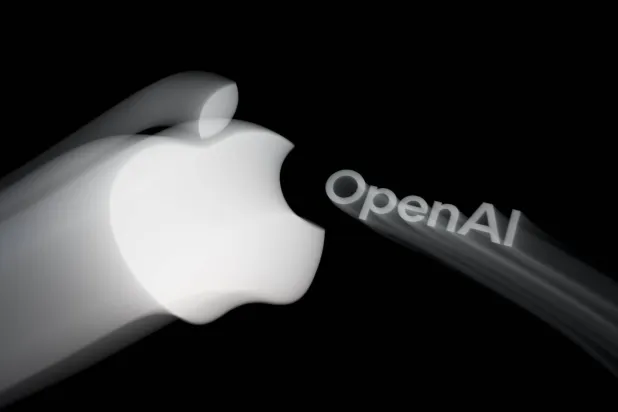
The lawsuit filed by Apple against artificial intelligence company OpenAI is casting a shadow over the company's plans to develop devices that compete with iPhone, as recent reports indicate that its impact is already tangible even before any court ruling.
According to a report by Bloomberg, the case is not limited to a long-term legal dispute; it has already begun slowing down OpenAI’s smart device project, with increased caution within the company and difficulty attracting new engineers, especially those from Apple.
Apple filed a lawsuit last week, accusing OpenAI of seeking to obtain trade secrets related to unannounced products through former and current employees, and also claiming that the company encouraged new employees to bypass confidential information protection procedures when leaving Apple.
The company is asking the court to force OpenAI to stop these practices, destroy any confidential materials it obtained, and pay damages.
OpenAI denied these allegations, asserting that it 'does not care about other companies’ trade secrets' and focuses on developing its own technologies, but the report suggests that the case has already begun affecting the company's plans.
The transfer of the company's talent and employees is one of the main reasons for Apple's concern; more than 400 former Apple employees work at OpenAI, including renowned designer Jony Ive, in addition to a large number of engineers from the iPhone design team, prompting Apple to restructure some of its teams, increase retention bonuses, and have senior officials intervene to persuade engineers to stay.
The report notes that protecting trade secrets has become one of Apple's top internal priorities in recent months, along with the issues of tariff impact and memory chip shortages. The company asserts in its court filings that the case aims to protect its confidential information and that OpenAI's hardware project is still in its early stages.
The lawsuit is expected to make Apple employees think twice before moving to OpenAI, fearing security scrutiny or legal complications. Former employees will also become more cautious in discussing their previous work, with the imposition of legal reviews and additional procedures that could consume development teams' time.
The report also suggests that Apple's significant influence with electronics factories and suppliers in Asia may make some partners hesitant to cooperate with OpenAI, fearing damage to their business relationships with Apple or entanglement in the legal dispute.
According to Bloomberg analysts, Apple may succeed in obtaining preliminary court orders targeting OpenAI's hardware project, such as isolating disputed materials and preserving evidence, which could lead to further delays. If Apple later proves that its trade secrets were used in OpenAI's products, the company may be forced to redesign those products.
The report quoted a knowledgeable source saying that OpenAI still plans to announce its first device this year, ahead of its launch in 2027.
The company is said to be considering developing a range of devices, including smart speakers and wearables, with the first product being a simple device that does not directly compete with phones, before later moving to develop a device specifically aimed at competing with the iPhone and smartphones in general.
Tags
OpenAI Apple
Link copied
13 July 2026Last update: 14 July 2026
2 minutes
Follow us
Original source: AIT News



Comments (0)
Be the first to comment.