The Moon Between Dream and Science

An article exploring the cultural, historical, and scientific significance of the Moon, from ancient myths to modern exploration.
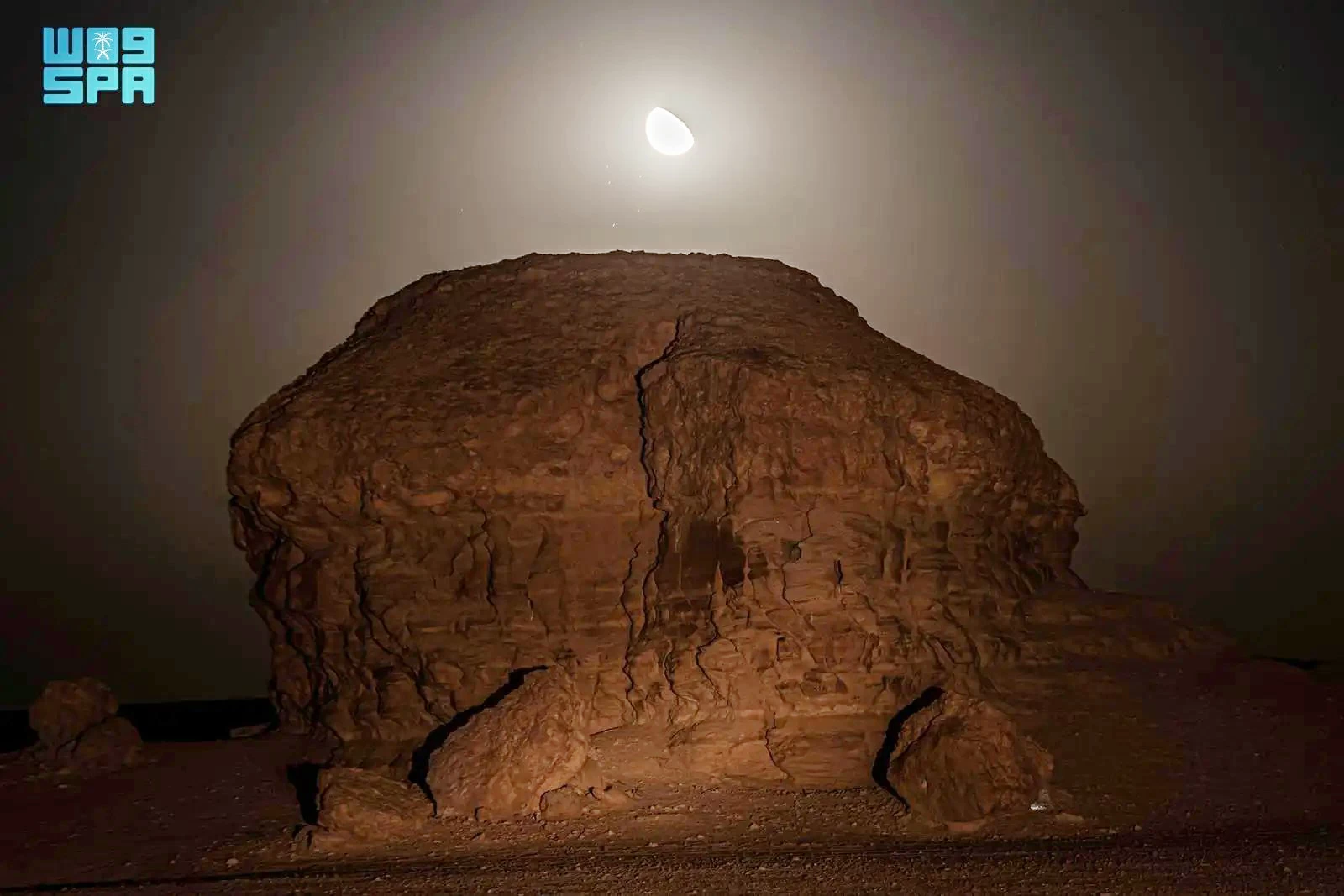
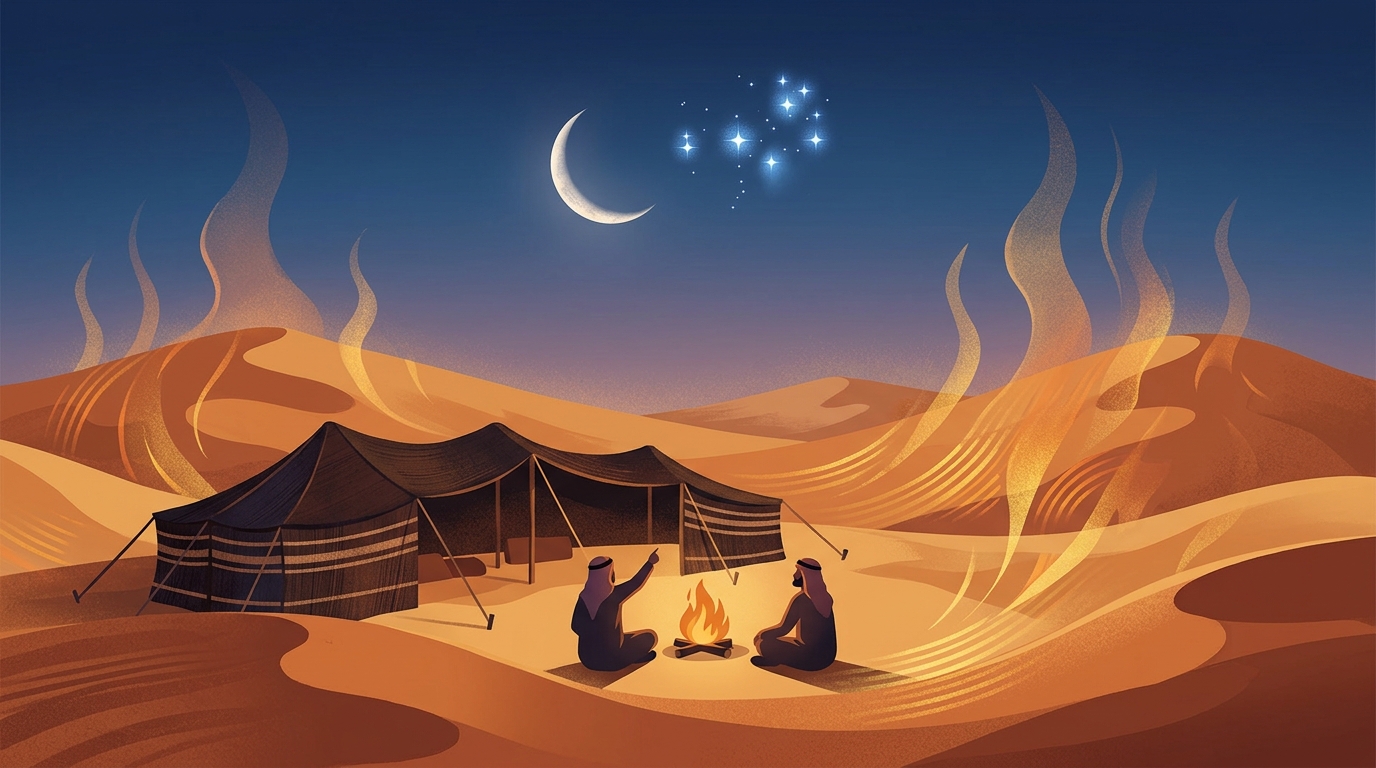
The Moon has always held a special place in the human heart, a companion on land and sea, a friend to travelers in the dark of night, and under its light, gatherings of evening tales were held. It has also been a symbol of beauty and a source of inspiration for poets since ancient times, who praised it and made it an image of splendor and radiance. Qays ibn al-Mulawwah (Majnun Layla) said:
Related News
White, overtaken by bliss as if she were a moon set in the middle of a black night. The Moon was a mirror reflecting the human soul and imagination reaching for the secrets of the unknown. In its vastness, ancient civilizations wove their first myths and stories; it was associated by the ancient Egyptians with Thoth, the god of wisdom and time who regulates the rhythm of the universe. In Mesopotamia, the Babylonians worshipped it as the god Sin, a symbol of light in the darkness of nights. The Greeks imagined it as Selene, the dreamy goddess who drives her silver chariot to spread her light on Earth. However, God Almighty said: 'Do not prostrate to the sun nor to the moon, but prostrate to Allah who created them, if you worship Him alone.'
The Moon was also a reference upon which humanity depended in establishing its first calendars. It remained a beautiful secret hanging in the high sky, awakening childhood dreams and inspiring science fiction stories, most notably Jules Verne's novel 'From the Earth to the Moon,' in which he imagined human travel to the Moon decades before this achievement was realized on the ground.
With the advancement of science, humans moved from contemplating the Moon to studying and exploring it. The invention of the telescope was a major turning point; in 1609, the Italian scientist Galileo Galilei was able to observe the Moon's surface and see its terrain, such as mountains and craters, revealing that this celestial body is not just a bright point in the sky, but a world with its own secrets and characteristics. Then humanity continued its journey until the greatest dream was realized: reaching the Moon's surface in 1969 during the famous Apollo 11 mission, making that step one of the greatest achievements in space exploration.
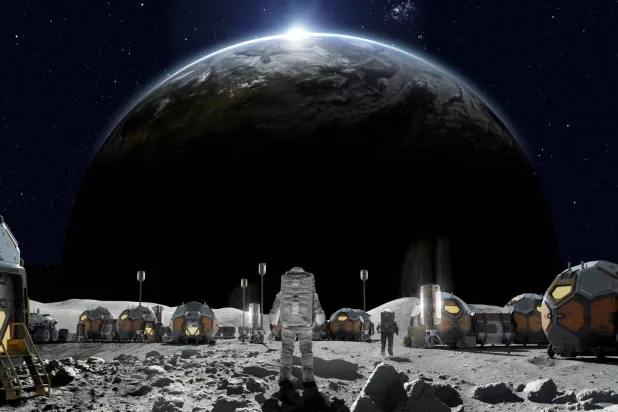
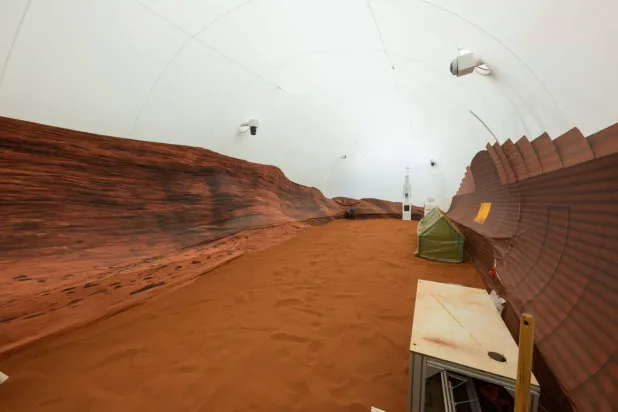
For the record, July 20 of each year marks the International Moon Day, which coincides with the anniversary of the first human landing on the Moon. Recently (April 1–11, 2026), the four astronauts aboard the Artemis 2 spacecraft orbited the Moon in the farthest human spaceflight in history, as the journey passed the far side of the Moon and returned safely to Earth after ten days full of difficulties, challenges, and inspiration. This was the beginning heralding multiple future missions, in preparation for establishing lunar settlements and facilities, paving the way for a sustainable human presence on the Moon.
Perhaps the purpose of this international day is not just to commemorate the anniversary, but the scientific aspect is of great importance in reviewing inherited myths and stories, verifying them, and balancing them with reason, logic, experience, and proof. On the other hand, dreams may become reality one day; many humans dreamed of approaching the Moon, let alone landing on its surface. Today, humanity is thinking and working to colonize the Moon, making it a platform for exploring the universe and discovering its secrets, after it was just a distant dream and a story of fiction.
@abdullaghannam
Original source: Al-Yaum


Comments (0)
Be the first to comment.