Avoid Using Artificial Intelligence at Work... In 3 Cases
“The details are where the greatness lies—or sometimes, where the devil resides.”
Over the past decade, Alpha School, a for-profit school focused on artificial intelligence, has expanded from its original single campus in Austin to a growing list of over 15 schools nationwide, including major cities like New York and San Francisco, as written (*).
AI Schools
Alpha School joins other private schools focused on AI that serve K-12 students, such as Unbound Academy and Khan Lab School. These are options now available to parents, with costs ranging from $40,000 to $75,000 annually in some cases.
A 'Personalized Education Model for Every Student'
Some proponents of AI-based education use slogans like: 'The school system is broken, and we are here to fix it.' Mackenzie Price, a co-founder of Alpha School, has expressed dissatisfaction with the 'one-size-fits-all' education model, where all students study the same material but often learn at varying speeds.
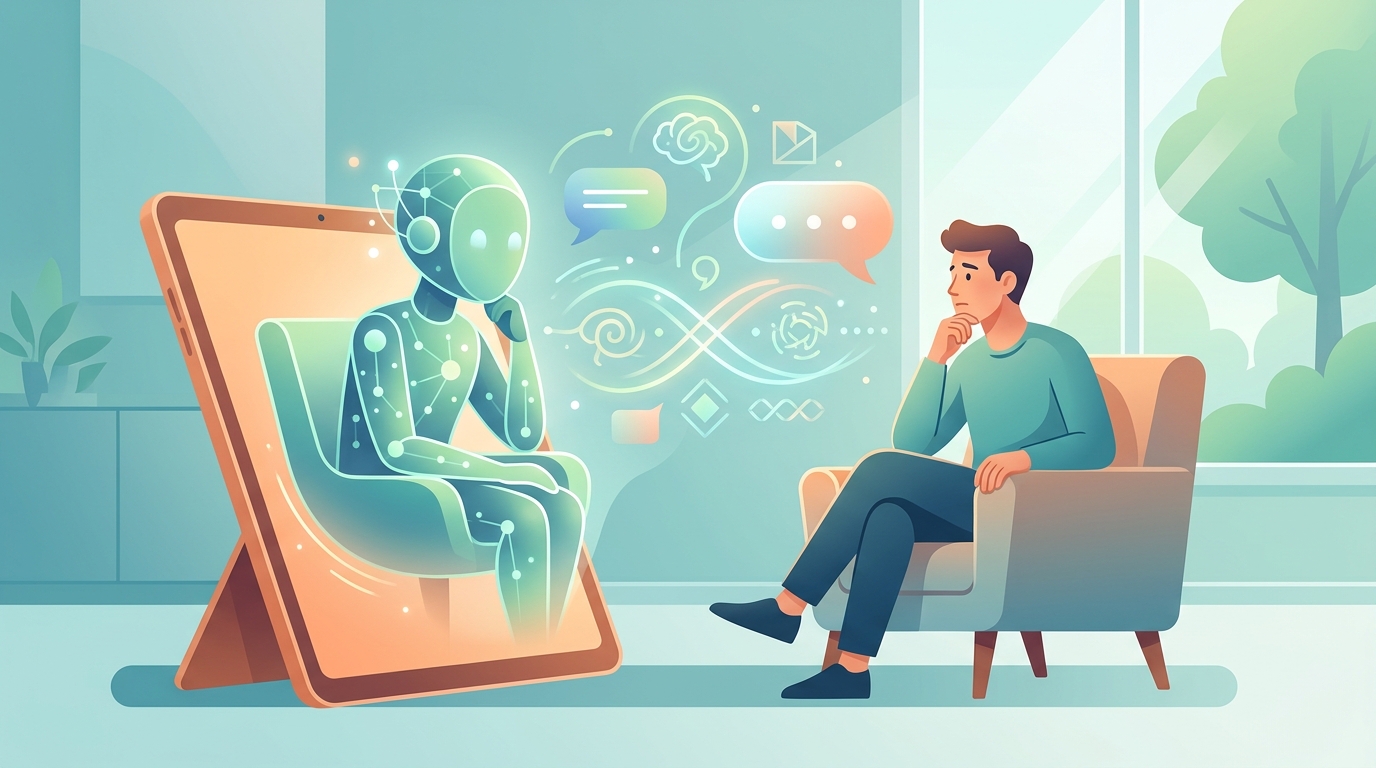
Sal Khan, founder of the online education platform Khan Academy, has also argued that AI could provide every student with a private tutor that responds to their specific individual needs. Bill Gates is also among the technology thought leaders who have predicted that AI will replace many teachers over the next decade.
A False Dichotomy: Interactive Education vs. Rote Learning
The argument for more personalized education may be valid in some cases, but it also carries the risk of creating a false dichotomy, where all AI programs are viewed as interactive and stimulating, while traditional classroom instruction is seen as mere lecturing and rote learning.
As an education policy researcher who conducts studies on AI and teachers, I recognize that reality is much more complex.
The Promises of AI Tutoring
Alpha School replaces traditional face-to-face instruction for K-12 students and follows a personalized AI-based tutoring system, where subjects like reading, math, and others are condensed into a two-hour study period.
This two-hour AI tutoring period is supplemented by in-person workshops and the presence of what the school calls 'coaches' or 'mentors,' who are not necessarily licensed teachers. These sessions can focus on non-academic life skills, such as public speaking and entrepreneurship, in addition to arts and physical education.
* Benefits of human and AI tutoring. Regarding the AI side of this educational system, there are clearly benefits to personalized tutoring. For instance, a comprehensive review published by the National Bureau of Economic Research in 2020 showed that various forms of human-provided tutoring led to consistent and sustained educational gains across different subjects and age groups.
A study conducted by the Brookings Institution also showed that AI enhances the efficiency of computer-supported instruction by giving students the opportunity to interact with the software using everyday language. Furthermore, generative AI can adjust and adapt the tutoring session based on the student's progress level and the challenges they face in grasping the academic material.
* No evidence of AI superiority. However, there is currently no conclusive evidence proving that AI or other computer-based tutoring systems are superior to human teachers, even if these systems may be less expensive in many cases.
* Supporting teachers instead of replacing them. Rather than trying to replace teachers and relying on AI, I believe the most viable and effective strategy lies in supporting teachers to use AI in a way that enhances their pedagogical capabilities and makes them better teachers.
Good Tutoring Supports In-Class Learning
Face-to-face one-on-one tutoring—whether by a teacher, parent, or teaching assistant—has proven highly effective in raising student test scores and improving their overall level of learning. 'High-impact' tutoring—which relies on regular, long-term sessions held in small groups within schools—has been shown to achieve particularly effective results.
Isabelle Hau, executive director of the Stanford Accelerator for Learning, points out that young students need to develop strong social skills—what she calls 'relational intelligence'—in order to thrive and excel in social environments.
For human tutoring to be effective, it must meet specific criteria; for example, private tutors should meet their students regularly, these tutors must be competent and skilled, and there must be absolute care taken to ensure the material they teach is fully integrated with the student's curriculum.
Building a strong relationship between teacher and student is also critical to maintaining student motivation and focus on the learning tasks they perform.
Can AI teachers replace human teachers?
Computer-assisted instruction and intelligent tutoring systems have been around since the 1970s.
These systems were designed to provide instruction that adapts to learners as they progress through a series of exercises, problems, or questions. They have been proven to raise student achievement when used as a tool to supplement traditional classroom instruction.
However, an extensive analysis of various studies revealed that although these systems boosted student achievement, when compared to classroom instruction or the performance of students using textbooks or workbooks, there was no significant difference in the level of learning between AI teachers and human teachers.
More recently, a 2025 study showed tangible positive effects of AI-based instruction on student achievement across various subjects and grade levels.
In another widely noted study on AI teachers, researchers in 2025 compared the impact of 'active learning' within the classroom against the use of an AI teacher specifically designed for an introductory physics course at Harvard University.
Students who used the AI teacher reported that they learned the material faster and felt more motivated to learn, compared to students who received specialized classroom instruction. It is worth noting that the students in this study were not only highly motivated and possessed good study skills, but the AI teacher itself was designed by the professors who taught the course.
AI-Supported Education
Claims that AI instruction is superior to classroom instruction only take into account part of the available evidence.
Original source: Asharq Al-Awsat



Comments (0)
Be the first to comment.