China: New Smartphones Equipped with Innovative AI Agents
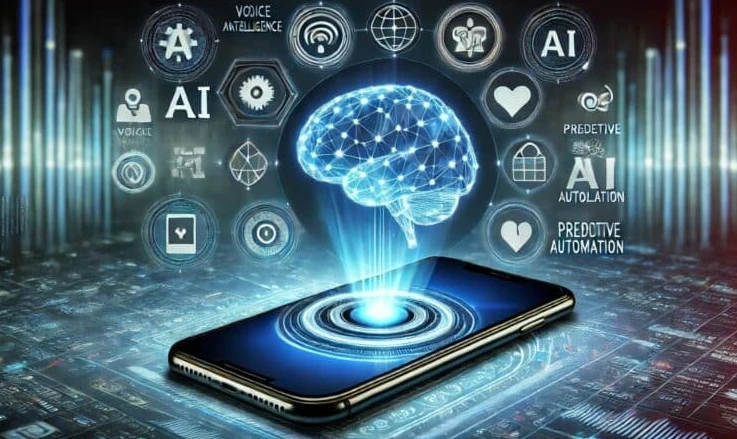
Technology companies unveiled during the World AI Conference in Shanghai a new generation of smartphones equipped with AI agents capable of performing multiple daily tasks through voice commands, such as ordering food, sending messages, and managing various services, amid expectations of a major transformation in the phone market and the digital economy.
These technologies will lead to a fundamental change in the way smartphones and digital services are used.
ZTE's Nubia announced the NaviX Ultra phone powered by ByteDance's Doubao chatbot, while Honor showcased a robotic phone with a moving camera and an AI agent, and StepFun revealed the STEPX Neo phone supported by partnerships with major Chinese platforms.
Despite the promising capabilities of these devices, they faced challenges related to accessing other companies' applications, after companies such as Alibaba, Tencent, and JD.com restricted some functions of smart assistants on their platforms. Experts believe that this obstacle represents one of the most prominent challenges to the spread of agent phones.
At the same time, global companies like Google continue to develop AI features in smartphones, while the American company Brain Technologies launched an agent phone in Japan capable of automatically executing some tasks via voice commands.
Analysts expect that these technologies will lead to a radical change in the way smartphones and digital services are used in the coming years, with a decline in direct reliance on traditional applications in favor of AI agents.
Original source: Akhbaar24



Comments (0)
Be the first to comment.