Japanese Researchers Develop Sustainable Food Packaging from Pumpkin Peels
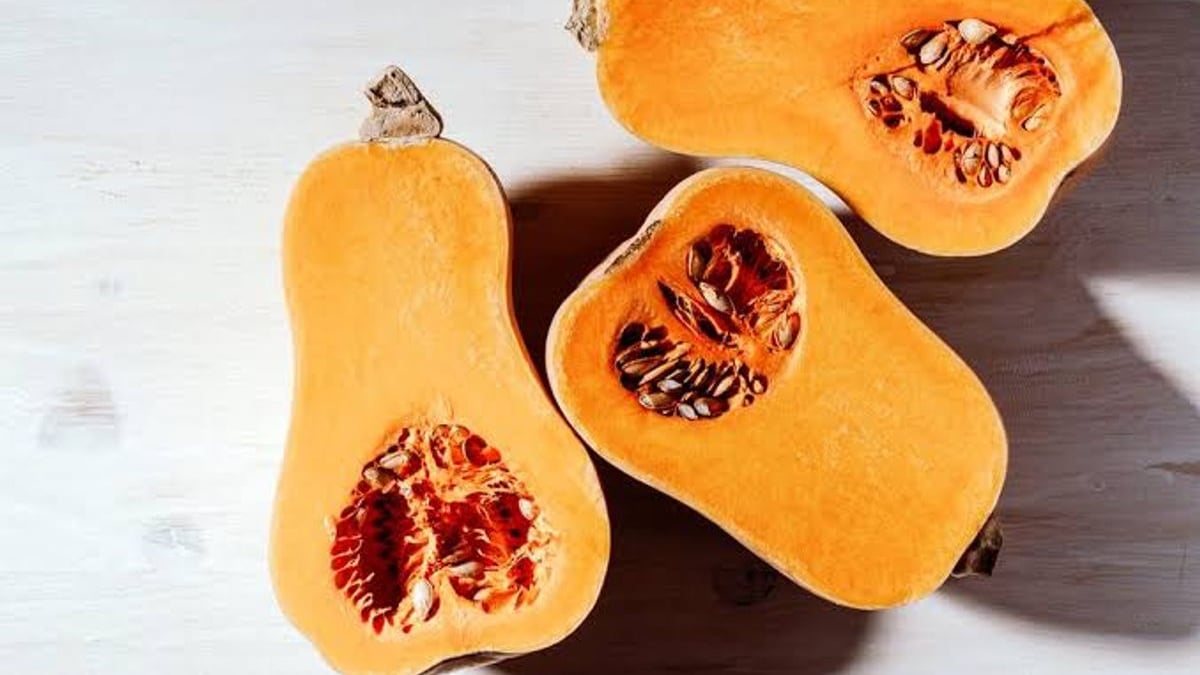
Japanese researchers have developed a new food packaging material made from pumpkin peels that can extend the freshness of products and reduce spoilage during storage and transportation, thereby contributing to reducing the use of traditional plastic packaging materials.
Kyushu University stated on its official website that its research team successfully converted pumpkin peels, which account for about 10% of the fruit's weight, into nanoparticles through pressing, cooling, and drying techniques, and then combined them with gelatin and modified cellulose to produce an effective food packaging film.
The researchers added that the new material demonstrated the ability to inhibit bacterial growth, block ultraviolet rays, and maintain food moisture. They noted that experiments on cherry tomatoes showed its superiority over traditional plastic packaging in reducing weight loss and maintaining the fresh texture of the fruit.
The team confirmed that the developed film is non-toxic and safe for food use, and can be easily removed. They noted that the technology represents a step toward utilizing agricultural product waste to develop more sustainable packaging solutions.
In the same context, the researchers pointed out that a large portion of fruit and vegetable production is spoiled during storage and transportation, amid the growing environmental challenges posed by plastic packaging. They explained that work is ongoing to further develop the material by adding natural antifungal compounds and expanding its applications, while reducing production costs.
It is worth noting that this innovation reflects a growing trend toward converting agricultural waste into sustainable materials, thereby supporting environmental protection and the development of alternative solutions to traditional packaging.
Original source: Ajel.sa



Comments (0)
Be the first to comment.