Media in 2040.. Looking to the Future (2)
If technology is to reshape media, the real challenge will not be in owning the latest platforms or the fastest networks, but in maintaining human trust. By 2040, content production will become an almost instantaneous process, and any person, or even any intelligent system, will be able to produce thousands of news items, reports, videos, podcasts, and interactive graphics within minutes. The gap between professional and amateur will disappear in terms of production, while the gap in credibility will widen, because the audience will not look for who publishes first, but for who can present the truth amidst this massive amount of information.
Thus, the profession of the journalist will change radically. He will no longer be just a writer, broadcaster, or editor, but will become a data analyst, fact-checker, artificial intelligence expert, capable of understanding human behavior, and managing multidisciplinary teams that combine media, technology, behavioral sciences, cybersecurity, and AI ethics. These are skills that are beginning to emerge today, but will become fundamentals of media work over the next decade, because technology will produce content, while humans will remain responsible for meaning, context, and values.
At the same time, media institutions themselves will change. Traditional newsrooms will transform into smart platforms that operate around the clock, rely on predictive analytics for decision-making, monitor audience interaction in real time, and adjust media messages instantly. Gartner indicates that reliance on predictive analytics and AI for decision-making will continue to grow in the coming years, while PwC confirms that digital advertising will capture the largest share of global media spending, which means that data will become the main driver for the sustainability of media institutions, not just their audience size.
As for the audience itself, it will not be as we know it today. The Digital News Report 2025 from the Reuters Institute for the Study of Journalism showed that social platforms, video platforms, and independent content creators are competing with traditional media institutions for audience trust and time. The use of AI tools to obtain information is also increasing, especially among younger age groups. This means that serious media messages will not disappear, but they will abandon many of their traditional formats and move to environments closer to people, such as podcasts, electronic games, interactive content, and digital experiences, because the future will reward those who know how to present knowledge in the way the audience prefers.
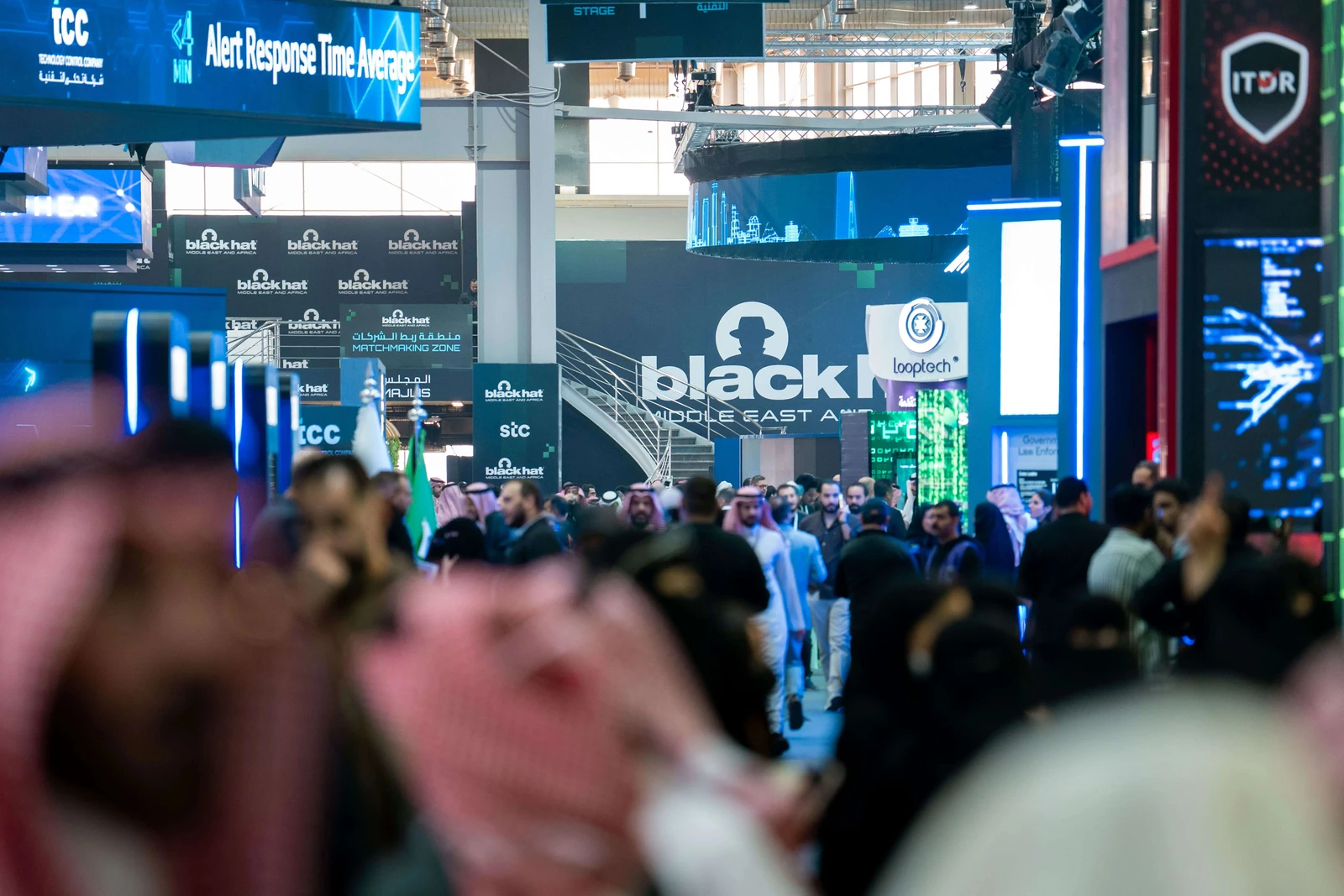
In the Kingdom, the features of this future are more evident. The accelerated investments in digital infrastructure, artificial intelligence, and the digital economy have contributed to building an environment ready to lead media transformation. Data from the Communications, Space and Technology Commission indicates that the internet penetration rate in the Kingdom has exceeded 99% of the population, while the Kingdom is among the highest countries in the world in smartphone penetration. This gives our media an exceptional opportunity to develop new communication models based on innovation, interaction, and data analysis, while preserving national identity, values, and reliability, in line with the goals of Saudi Vision 2030 to build a digital economy and an advanced knowledge society.
Perhaps the biggest opportunity for Saudi media is that it does not start from scratch, but rather launches at a stage where the world is witnessing a comprehensive redefinition of media. This allows it to surpass many traditional models and build a modern experience that benefits from emerging technologies from the outset, balancing technological development, professional responsibility, and the national message, to be a partner in shaping awareness, supporting development, and enhancing the Kingdom's international standing.
In the end, the strongest media in 2040 will not be the one that owns the largest number of platforms, the newest studios, or the most advanced AI systems, but the one that can maintain human trust in an era where millions of messages compete every minute. Technologies will change, platforms will be born and die, professions will disappear and others will appear, but true media will remain the one capable of protecting awareness, turning knowledge into impact, and building trust that will remain, no matter how times change, the real capital of every media institution and every journalist seeking to create lasting impact.
Original source: Al-Riyadh



Comments (0)
Be the first to comment.