Modern Human Skills
From East and West
Modern Human Skills
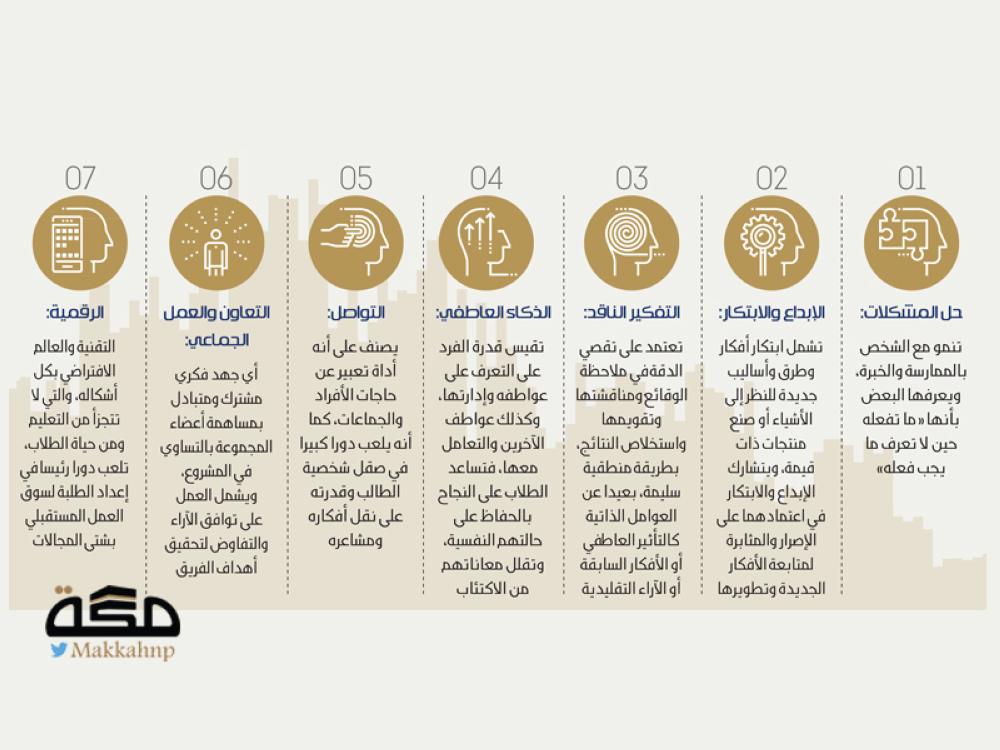
The great shift in artificial intelligence was not that it made the machine write, but that it made humans redefine their value in the face of what is written. When technology can summarize a long document, suggest an idea, and rephrase a position, the question is no longer what can the machine do? Rather, what remains of the human role when production becomes easier than understanding?
For a long time, work rewarded the ability to achieve apparent outcomes: who produces faster, who gathers more information, who responds first, who completes the task in a shorter time. But generative AI quietly changed this equation. What was once a rare skill began to become an available capability, and what took hours started to be completed in minutes. Every time the machine advances one step in production, the weight of the skill automatically decreases, and the value of the human skill that does not appear in the product but in the judgment of it rises.
The irony is that the greatest danger may not be that AI replaces humans, but that it pushes humans to withdraw from their role before being asked to do so. When the answer is ready, it becomes easy to stop asking questions; when the language seems confident, verification may be forfeited; when the machine suggests a decision, we may forget that responsibility does not transfer with it. Then, technology does not only replace jobs, but touches something deeper: the vigilance of humans before what they read, what they decide, and what they leave for the machine to decide for them.
Here begins a new phase. Value is no longer in humans asking the machine for a good answer, but in knowing whether that answer deserves to be used. There is a wide gap between a beautiful answer and a correct answer, between a persuasive statement and a sound decision, between a complete text and complete understanding. AI may give us an abundance of outputs, but it does not automatically grant us the wisdom of choice. And this wisdom is what will make the difference between a human who uses technology and a human to whom technology adds to his mind.
Therefore, the most important skill in the age of AI becomes the ability to distinguish: distinguishing between speed and value, between knowledge and language, between suggestion and decision, between what the machine can produce and what humans should review. The machine does not understand cultural sensitivity, timing sensitivity, or the impact of words. It sees possibility, while humans see consequence.
In the end, outputs may be similar when using the same tools, but the difference will appear beyond the output in the question, review, context, conscience, and decision. The machine may write, but it does not bear the meaning of what it writes; it may propose, but it does not know the cost of the proposal; it may shorten the path, but it does not always know where it should lead. Therefore, the new human skill is not in competing with the machine, but in leading what it produces: that humans remain the one who asks, the guardian of meaning, and responsible for the results.
Original source: Al-Riyadh




Comments (0)
Be the first to comment.