The Future Race: Where Knowledge Shapes the World
When historians look back at the 21st century decades from now, they may note that the most prominent transformations the world witnessed were not linked to traditional events, but rather to a rapidly accelerating global race in the fields of science, technology, and innovation—a race that is reshaping the contours of economy, development, and the future of societies.
Related news
Today, the status of nations is no longer measured solely by the size of their natural resources, but by their ability to produce knowledge, develop advanced technologies, and build innovation systems capable of keeping pace with rapid changes. Electronic chips, artificial intelligence, advanced energy, and rare metals have become essential elements in building future economies. The semiconductor industry is witnessing increasing global interest, as the electronic chip has become the main component in most modern technologies, from smartphones and electric cars to medical devices, robots, communication systems, and digital infrastructure. Therefore, countries are racing to develop their capabilities in designing and manufacturing these chips, given their great economic and technological value.
In the same context, rare metals stand out as one of the most important resources upon which modern industries rely, as they are used in the manufacture of electric motors, renewable energy technologies, advanced electronics, and other future applications. Interest is no longer limited to extracting these metals, but extends to developing their processing and manufacturing operations within integrated value chains that achieve the highest economic and technological returns.
Energy has also become a pivotal element in the development process, with growing investments in diversifying its sources, modernizing its networks, and increasing its efficiency, in ways that support sustainable economic growth and enhance countries' ability to meet their future needs.
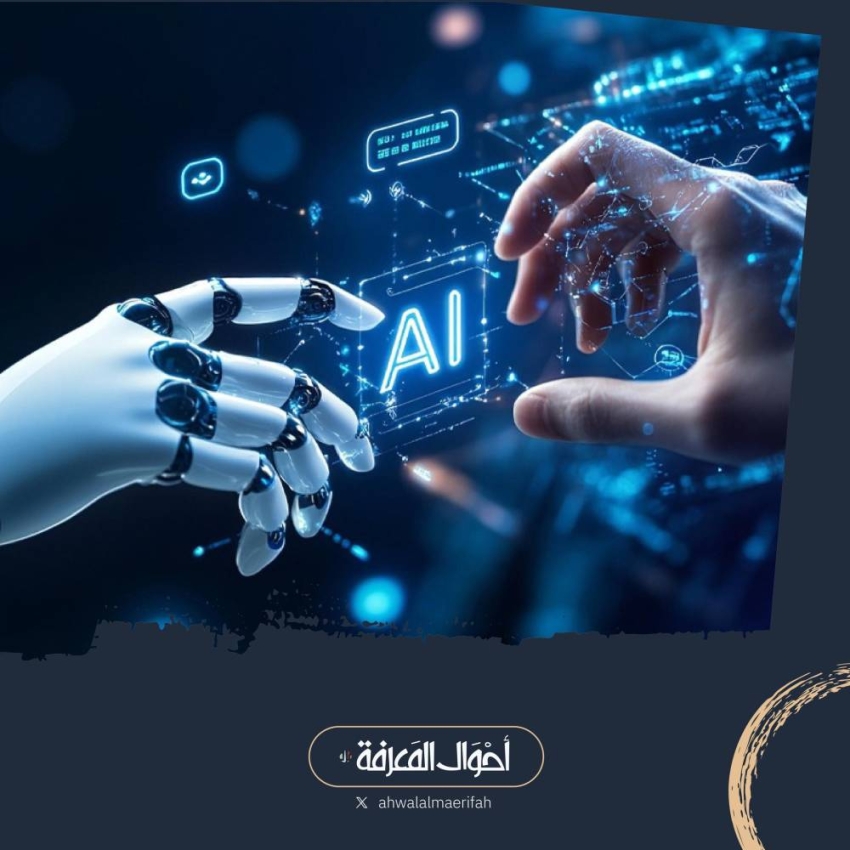
At the heart of these transformations is artificial intelligence, as one of the most important technologies reshaping various sectors. It shortens the time of scientific research, increases industrial efficiency, and contributes to the development of healthcare, education, government services, city management, data analysis, and decision support, making it a key driver of the knowledge economy.
These developments reflect the growing global investment in scientific research, attracting talent, developing universities, and strengthening innovation and entrepreneurship systems, as fundamental pillars for achieving sustainable development and building more competitive economies.
Against this backdrop, opportunities expand for countries of all sizes to achieve an influential presence through investment in quality education, scientific research, digital infrastructure, supporting innovation, and building scientific and technical partnerships that contribute to knowledge transfer and localization. Future value has become linked to countries' ability to turn ideas into products, technologies into solutions, and knowledge into economic value.
In the coming years, global attention is expected to continue on expanding data centers, developing digital infrastructure, raising energy efficiency, managing water resources related to modern technologies, as well as developing human competencies that represent the true engine of innovation.
Therefore, early investment in science and advanced technologies, and building environments supportive of creativity, research, and development, are among the most important factors that enhance competitiveness and open wide horizons for economic growth and sustainable development. The world has entered a new phase where knowledge and innovation take center stage, and countries' ability to develop technologies, train talents, and adopt future solutions has become the most prominent factor in defining their position in the global economy. Whoever possesses the tools of the future has greater opportunities to contribute to building a more prosperous and sustainable future.@malarab1
Original source: Al-Yaum





Comments (0)
Be the first to comment.