UK proposes voluntary overnight social media curfew for older teens

Latest government measure aimed at curbing digital harm comes after under-16 social media ban announced last month.

This piece was written by Al Jazeera Staff and The Associated Press.
The UK has been stepping up efforts to regulate children's online experiences amid growing public concern over screen time and mental health.
Published On 16 Jul 202616 Jul 2026
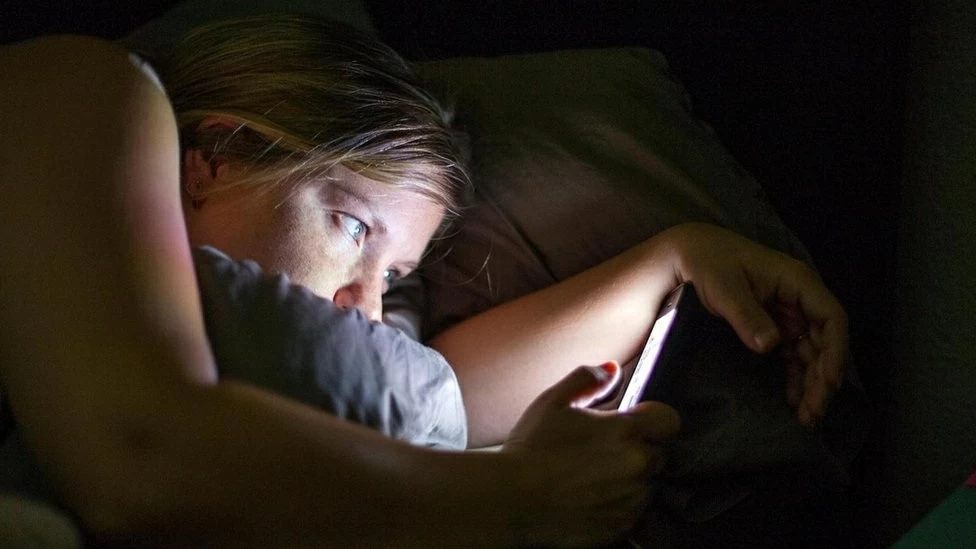
The United Kingdom has proposed an overnight social media curfew for older teenagers as part of the government’s latest push to protect minors from digital harm, though users will be permitted to bypass the restrictions.
The Labour government unveiled the plan on Wednesday, detailing a default six-hour block from midnight to 6am for 16- and 17-year-olds on platforms including Instagram, TikTok, and YouTube.
Under the proposed measures, addictive features like autoplay and infinite scrolling would also be turned off by default for this age group to promote healthier sleep habits and concentration.
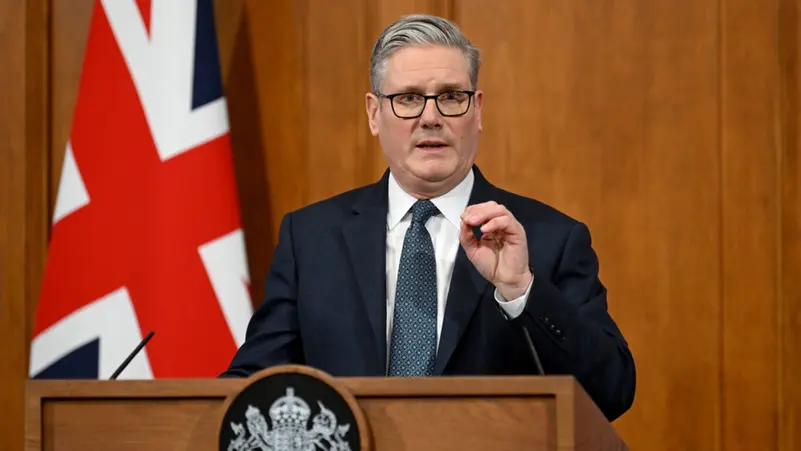
The initiative follows a June announcement by outgoing Prime Minister Keir Starmer, who unveiled a blanket ban on social media for children under 16 slated to take effect in 2027.
While the younger cohort faces a strict prohibition on major networks, ministers chose a softer approach for older adolescents.
The UK’s restrictions reflect a rapidly growing global crackdown on young people’s social media access. Australia made waves in December by enacting a world-first ban on social media for under-16s, which its government is already looking to tighten following studies showing that many teenagers easily bypass the restrictions.
The ban, which came into force on December 10, made Australia a global test case for countries trying to curb children’s access to social media.

Defending the voluntary nature of the curfew, UK Secretary for Online Safety Kanishka Narayan rejected criticism that teenagers would simply disable the restrictions. He told Sky News that the government wanted to avoid outright bans for older teenagers, aiming instead for a “smooth slope” into adulthood.
“We want to empower our teenagers,” Narayan said, citing data from a pilot scheme and previous voluntary platform trials where more than 90 percent of teenagers kept the restrictive default settings active.
“The evidence base is clear, the motivation is very clear, and I wouldn’t do the disservice to teenagers of saying they’re all going to switch it off.”
However, political opponents and child safety advocates expressed scepticism about the policy’s efficacy.
Laura Trott, the education spokesperson for the opposition Conservative Party, dismissed the plans as illogical.
“Either they think 16- and 17-year-olds should be on social media or they don’t, but curfews they can simply switch off won’t achieve anything,” Trott said, according to the Associated Press news agency.
The National Society for the Prevention of Cruelty to Children, a prominent UK children’s nonprofit, welcomed the development, but warned that it was a temporary fix.
Chief executive Chris Sherwood cautioned that unless the government implements “further, stronger measures”, the policy will act only as a “sticking plaster” that fails to address the deeply addictive algorithms driving excessive screen time.
The proposals must still be formally legislated. Because they represent some of the final legislative steps of Starmer’s administration, the responsibility of implementing them is expected to fall to his anticipated successor, Andy Burnham.
While the younger cohort faces a blanket ban starting in 2027, the voluntary approach for older teens aims to strike a balance between protection and autonomy. The proposal mirrors a broader international trend, with Australia already implementing a world-first ban for under-16s. Critics question whether voluntary measures will be effective given the ease of bypassing restrictions.
Original source: Al Jazeera

Comments (0)
Be the first to comment.