Star 'Alab'.. The Beginning of the Autumn Season in the Climate and Agricultural Heritage of Asir

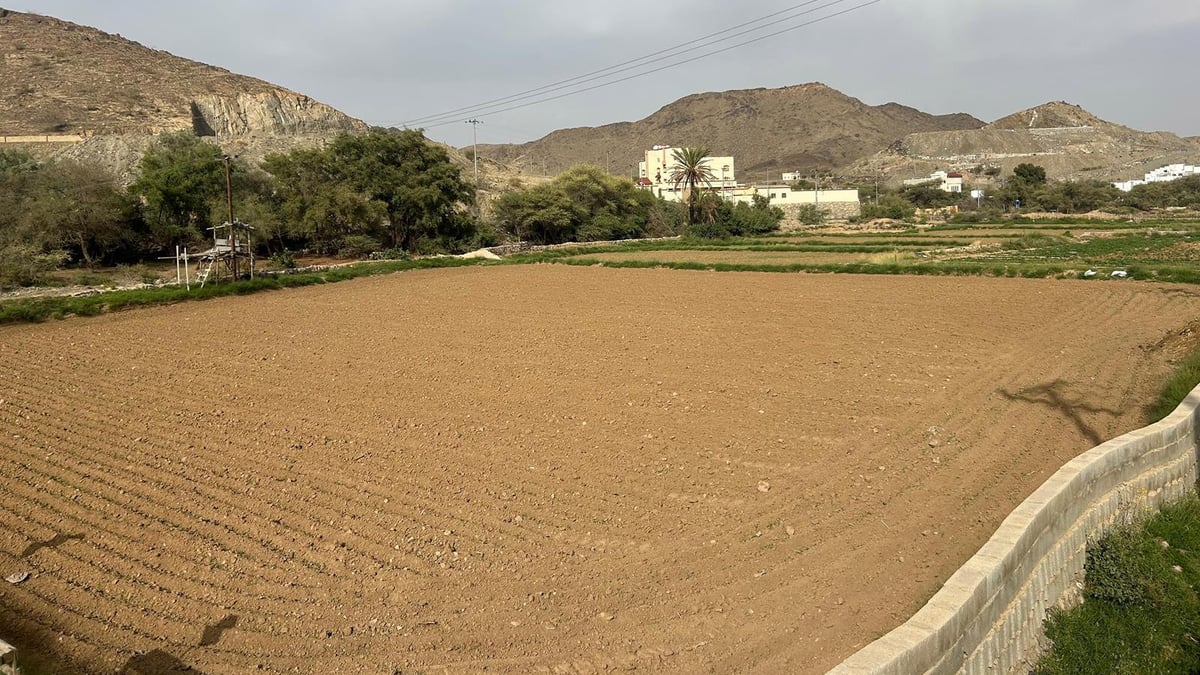
The entry of the star 'Alab' on the sixteenth of July each year marks the beginning of the autumn season in the climate and agricultural heritage of the Asir region, coinciding with the Nu' al-Han'a, and is considered one of the most prominent seasons associated with rains, agriculture, and climate changes, forming over generations a natural calendar that residents used to organize their agricultural activities.
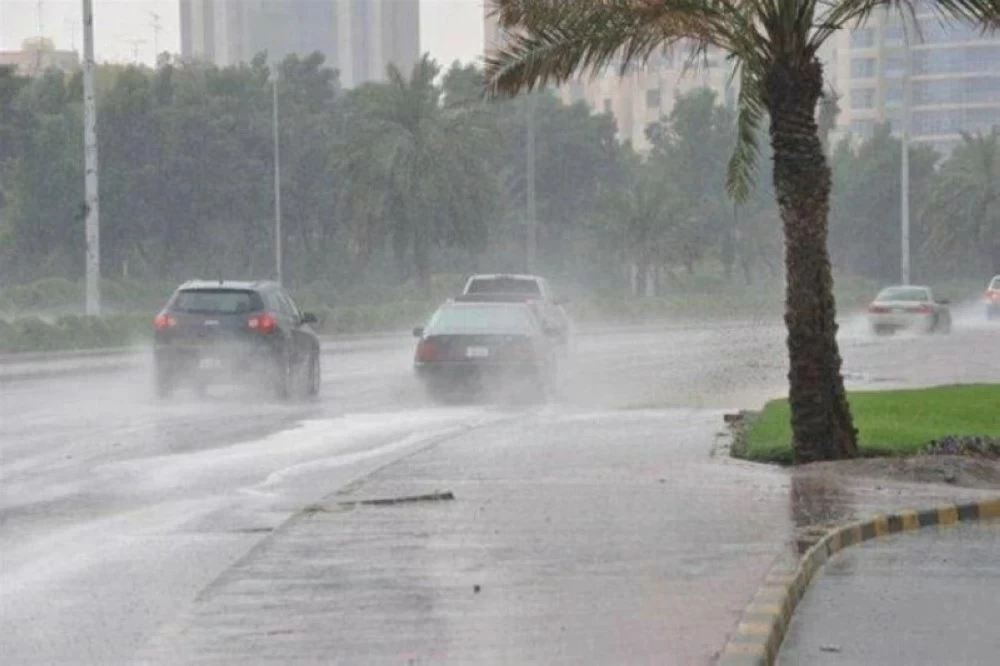
Researcher Dr. Abdullah Ali Al Musa explained that the star 'Alab' is accompanied in many years by dust originating from the depths of Tihama, locally known as 'Ghasmat Alab', and often coincides with the deepening of the Indian monsoon low over the southwestern highlands, contributing to the formation of cumulonimbus clouds and summer rainfall.
Related news
He added that 'Alab' is the name given by the people of Asir to the star Sirius, while it is known in the Najd region as 'Al-Marzam', noting that its appearance is observed in Asir a few days before its appearance in Najd, reflecting the difference in star rising times based on geographical location.
Organization of agricultural activities
Al Musa pointed out that in the past, residents used the star 'Alab' to organize their agricultural work, as it marks the time to start planting wheat 'Al-Boni', known among some Asir residents as 'Al-Kharfi' after the autumn season, while others call it 'Al-Qiyadh', and during this time barley planting begins and corn growth intensifies.
He also touched on the residents' documentation of the star through inherited proverbs, such as their saying: 'Alab either kholab or lahab', meaning it is either a rainy season or an extremely hot one, reflecting the residents' experience in monitoring weather changes and linking them to agricultural seasons. He noted that this season is also associated with the appearance of some natural phenomena recorded in folk heritage, including the emergence of some insects, increased sightings of some reptiles, and the fledging of young crows from their nests.
Original source: Al-Yaum



Comments (0)
Be the first to comment.