Jeddah Astronomical Society: Venus and Regulus Conjunction Adorns Thursday Evening Sky
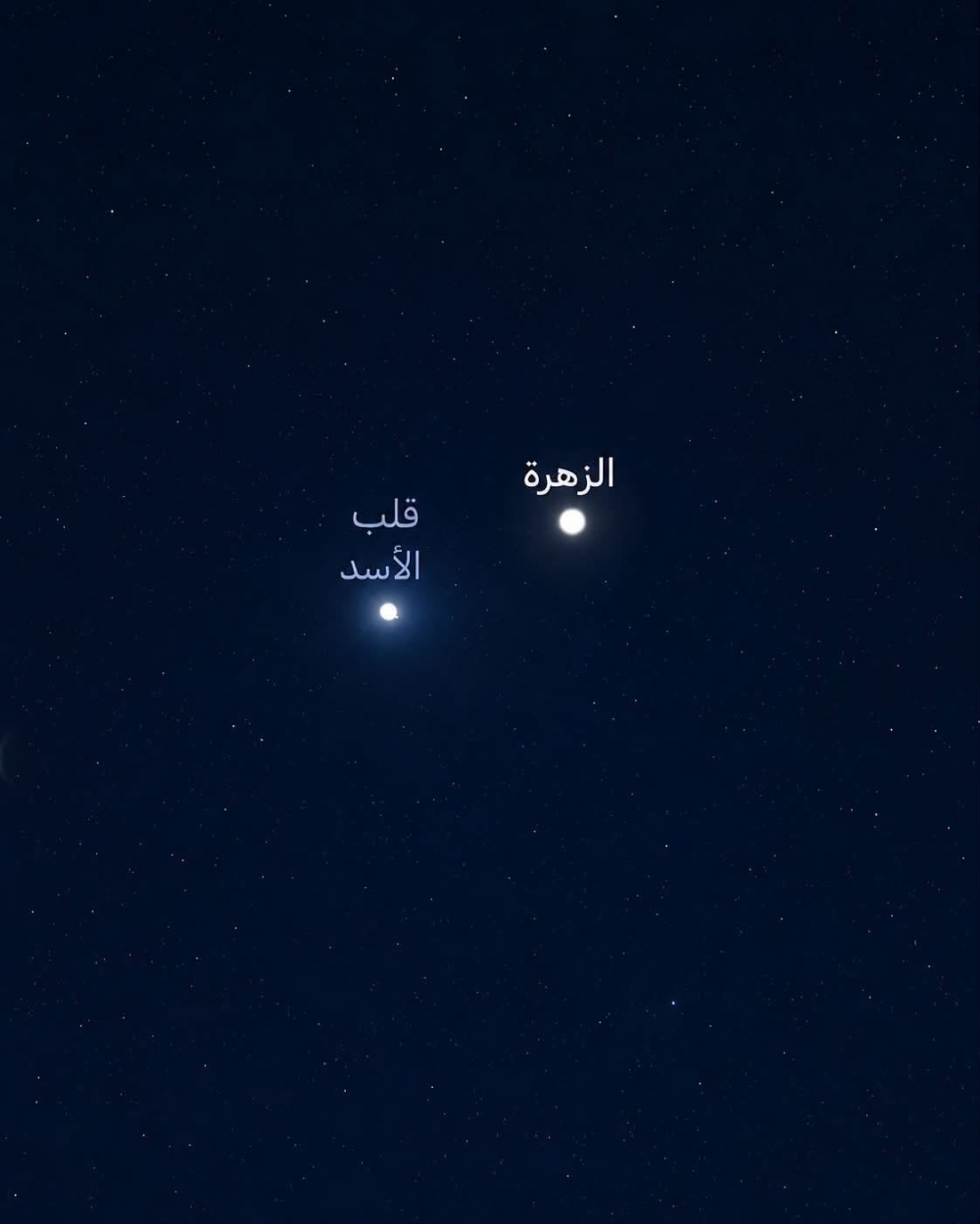
The Jeddah Astronomical Society announced that Venus and the star Regulus will appear in a close conjunction on the evening of July 9, 2026, visible to the naked eye across the Arab world. The best viewing time is 45–60 minutes after sunset, with the pair separated by about one degree.
The head of the Jeddah Astronomical Society, Engineer Majed Abu Zahira, confirmed that the Arab world's sky will witness on the evening of Thursday, July 9, 2026, one of the most beautiful astronomical sights during the summer, with the conjunction of the planet Venus, the brightest object in the sky after the sun and moon, with the star "Regulus" (Heart of the Lion), the brightest star in the constellation Leo, in a phenomenon that can be seen with the naked eye from various parts of the Arab world when the weather is clear and the western horizon is free of obstacles.
Abu Zahira explained that the best time to observe the conjunction begins about 45 to 60 minutes after sunset, when the sky becomes darker with Venus and Regulus at a suitable height above the western horizon. He pointed out that choosing a location away from light pollution with an open western horizon provides a better chance to follow the phenomenon before the two bodies gradually descend toward the horizon and set shortly after.
Related news
Ideal opportunity
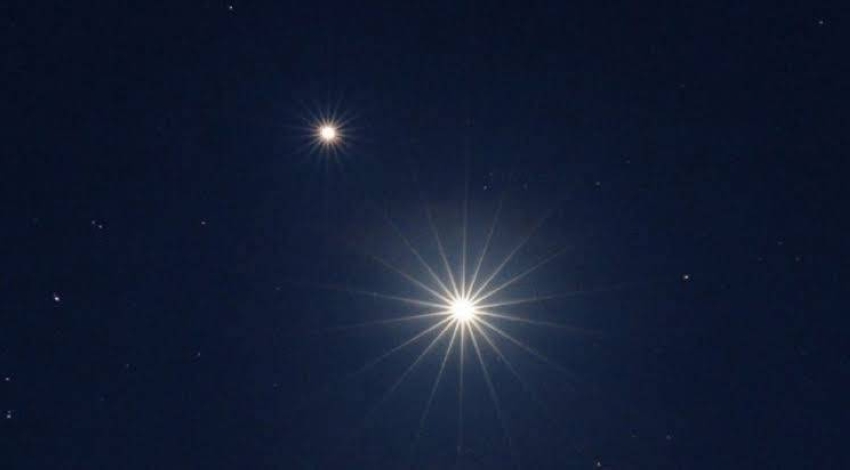
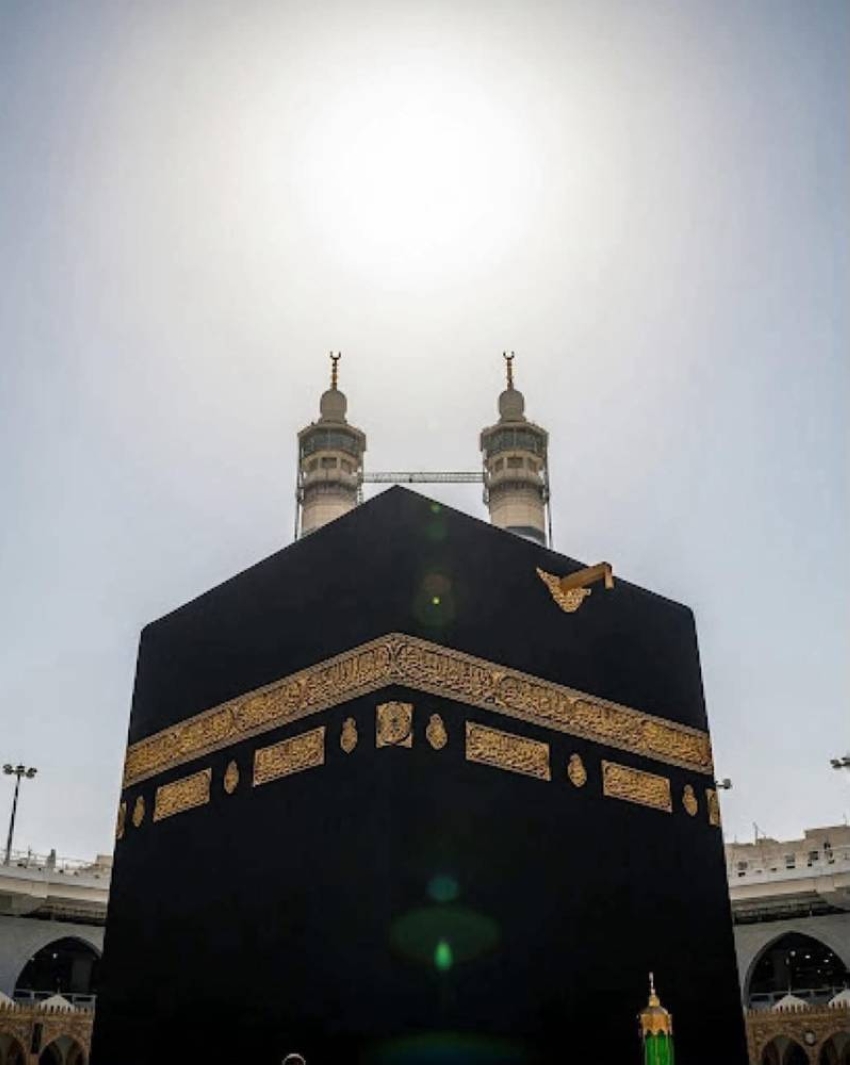
He stated that Venus will shine with its bright white light, while Regulus will appear as a bluish-white star with less brightness next to it, in a scene that attracts astronomy enthusiasts and photographers. He noted that the phenomenon represents an ideal opportunity to take distinctive photos using professional cameras or even smartphones mounted on a tripod, especially when including a landmark in the foreground to add an aesthetic dimension.
He pointed out that the conjunction will reach its closest apparent distance between the two bodies this evening, with only about one degree separating them, which is roughly equivalent to twice the apparent diameter of the full moon, allowing them to be seen together easily in the field of view of binoculars.
Apparent conjunction
He explained that this closeness is only an apparent conjunction resulting from the line of sight from Earth, and does not reflect a real proximity between the two bodies. Venus is located within the solar system at a distance of tens of millions of kilometers, while the star Regulus is about 79 light-years away from Earth, meaning it is about five million times farther than Venus.
He added that the brightness difference between the two bodies is striking, as Venus has an apparent magnitude of about -4.1, while Regulus's brightness reaches about +1.4, making Venus about 140 times brighter than the star. Therefore, some observers may need to partially block Venus's glare to distinguish Regulus more clearly.
Recurring event
He noted that Regulus is one of the most famous stars in the sky, the brightest in Leo, and is characterized by its bluish-white color and high temperature. It is also near the ecliptic, the apparent path of the sun, moon, and planets, so planets frequently pass near it.
Abu Zahira explained that the phenomenon can be enjoyed with the naked eye if weather conditions are suitable, while binoculars provide a great view of Venus and Regulus in one field. A telescope will show Venus in its gibbous phase alongside the star as a point of light, with a possible halo or color gradient around Venus due to its low altitude above the horizon, a natural phenomenon known as atmospheric refraction.
Prominent astronomical phenomena
Abu Zahira concluded his remarks by emphasizing that this conjunction is one of the most prominent astronomical phenomena that can be observed during July, as it brings together the brightest planet in the sky and one of its brightest stars in a beautiful celestial scene reflecting the continuous motion of celestial bodies, and provides a special opportunity for astronomy enthusiasts to contemplate and photograph. He affirmed that the sky still abounds with natural phenomena that everyone can enjoy without the need for advanced observation equipment.
Original source: Al-Yaum


Comments (0)
Be the first to comment.