Meteorology: Historic decline in dust storms by over 99% in June
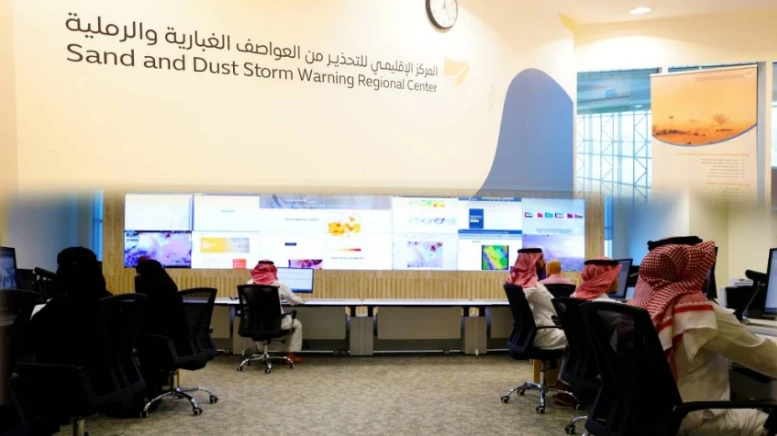
The CEO of the National Center for Meteorology and General Supervisor of the Regional Center for Dust and Sand Storms, Dr. Ayman bin Salem Ghulam, revealed that the Kingdom recorded a nearly zero recession of dust and sand storms during June 2026, the lowest historical rate in more than 25 years.
He explained that the rates of dust and sand storms declined by 99% compared to historical averages, while the Northern Borders region recorded a complete recession of 100%, reflecting a noticeable improvement in air quality and a decline in dust phenomena.
A report issued by the Regional Center for Dust and Sand Storms indicated that the central region recorded a 99% decrease, including Riyadh, Qassim, and Al-Kharj, while the Eastern region recorded the same percentage, including Al-Ahsa, Dammam, and Dhahran.
The report showed that dust activity during June reached its lowest levels compared to historical averages, coinciding with a number of environmental and climate efforts in the Kingdom, most notably the Saudi Green Initiative, the cloud seeding program, improved vegetation cover, and grazing regulation, in addition to the weakness of air fronts that stir up dust and sand during the same period.
The Regional Center for Dust and Sand Storms affirmed the continuation of monitoring, follow-up, and analysis of spatial and temporal dust indicators through an advanced system including satellite data, aerosol monitoring systems, LiDAR technologies, and specialized numerical models for forecasting dust spread, supporting early warning services and enhancing the readiness of relevant authorities to deal with weather fluctuations and mitigate the effects of dust storms on health, environment, and economic activities.
Original source: Akhbaar24






Comments (0)
Be the first to comment.