5 Challenges Awaiting Britain's New Prime Minister Andy Burnham

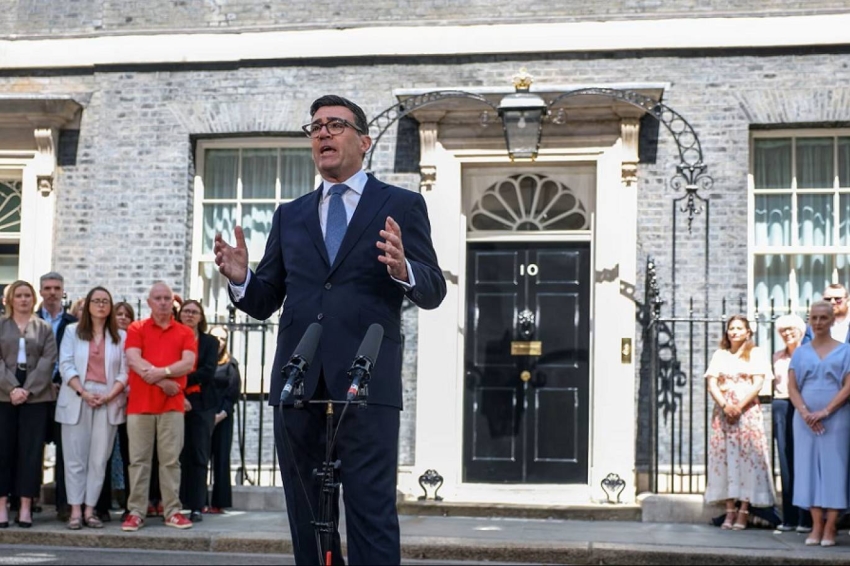
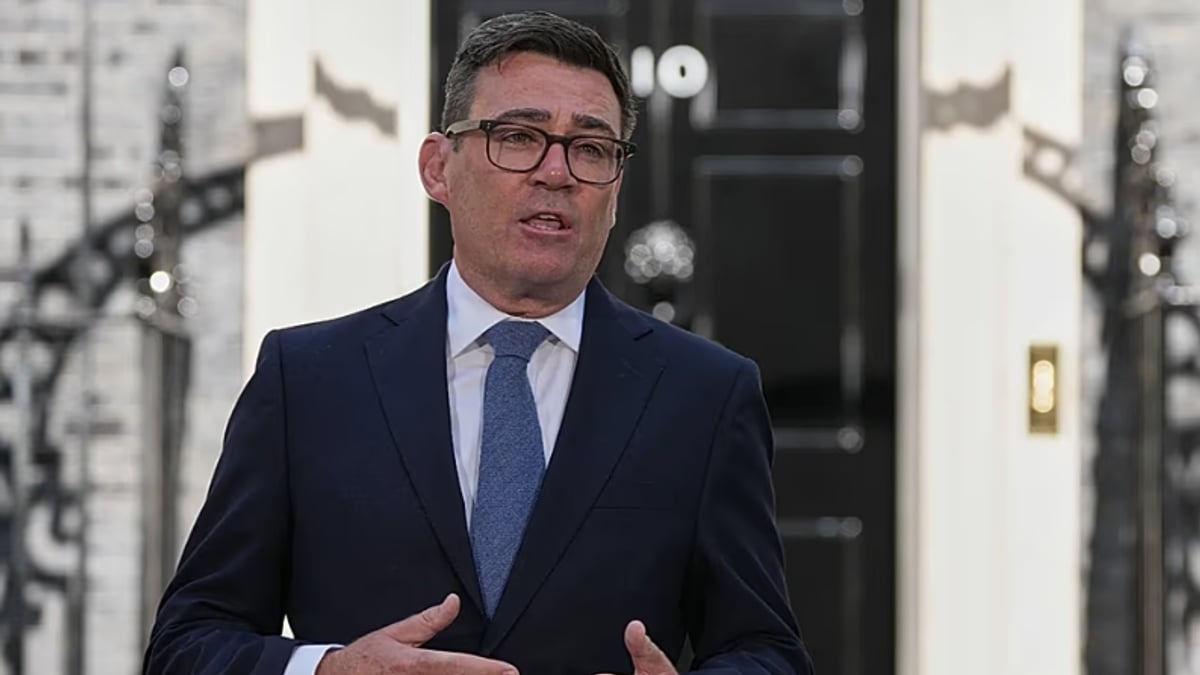
Britain's new Prime Minister, Andy Burnham, is preparing to face a series of complex domestic and foreign issues, ranging from the faltering economy to the war in Ukraine and the escalation between the United States and Iran, and culminating in growing pressures on Britain's welfare system, according to a report by The Washington Post.
Faltering Economy
Burnham takes office at a time when Britain is still suffering from economic slowdown and persistently low living standards, a crisis that has its roots in the 2008 global financial crisis and was exacerbated by the fallout from Brexit and the coronavirus pandemic.
Despite his pledge to adhere to the Labour Party's promise not to raise major taxes, he will face pressure to deliver tangible improvements to Britons' lives, as well as making an important decision on selecting the new Chancellor of the Exchequer.
Complex Foreign Crises
The new prime minister will find himself facing thorny foreign issues, foremost among them the war in Ukraine and the ongoing escalation in the Middle East, issues that are difficult to avoid despite his desire to focus on domestic affairs.
Expectations indicate that British foreign policy will not see major changes, especially with Jonathan Powell remaining in his post as national security advisor.
Burnham will also face a challenge in managing relations with the United States, as ties between his country and US President Donald Trump have been strained following the previous British government's refusal to provide full support for the war with Iran.
He will have to strike a balance between maintaining the security partnership with Washington and taking into account British public sentiment, which rejects Trump's policies.
Funding Military Spending
Providing additional resources for defense is one of the most pressing issues, after the level of military spending sparked disputes within the previous government, culminating in the resignation of Defense Secretary John Healey.
The government had announced a plan to increase military spending by about 15 billion pounds over the next four years, but how to finance this increase, and whether it will require cutting budgets of other ministries, has become the responsibility of the new government.
Immigration Issue
Although net immigration to Britain has declined in recent years due to stricter government policies, the issue still tops the concerns of voters.
Burnham stressed that immigration rates have indeed fallen, but he emphasized the need for this decline to continue, signaling his intention to maintain the strict approach adopted by the previous government.
However, some measures, such as tightening conditions for legal immigrants to obtain permanent residency, have sparked objections within the Labour Party, which may push him to seek a formula that balances tighter controls with responding to internal criticism.
Social Care and Pensions
Burnham also faces a growing challenge in the rising cost of the social care system, with an increase in the number of claimants for benefits due to mental health issues, especially among young people.
In contrast, pensions and support for the elderly account for more than half of total social spending, amid an aging population and the continued operation of a mechanism that guarantees annual pension increases.
Although cutting these expenses could free up resources to fund other government programs, such as expanding social housing, any attempt to reduce social benefits could face strong political opposition within the Labour Party, as happened with the previous government.
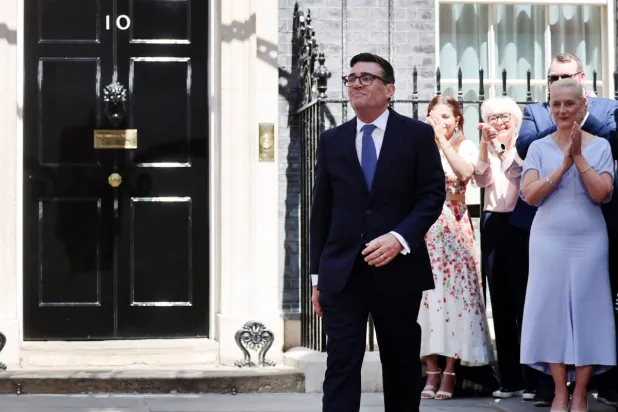
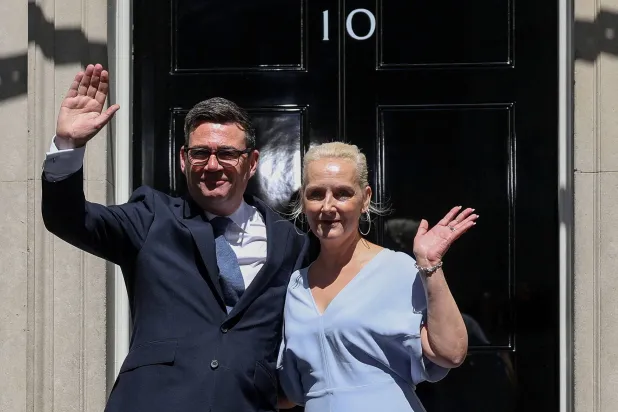
Burnham (56), who until last June was Mayor of Greater Manchester in northern England, replaced the resigning Prime Minister Keir Starmer, who arrived at 10 Downing Street in July 2024 after a landslide victory for the Labour Party in the legislative elections, ending 14 years of Conservative rule.
Advertisement material
Advertisement material
Original source: Al Arabiya

Comments (0)
Be the first to comment.