Algeria Elections: What Algerians Expect from the Next Parliament?
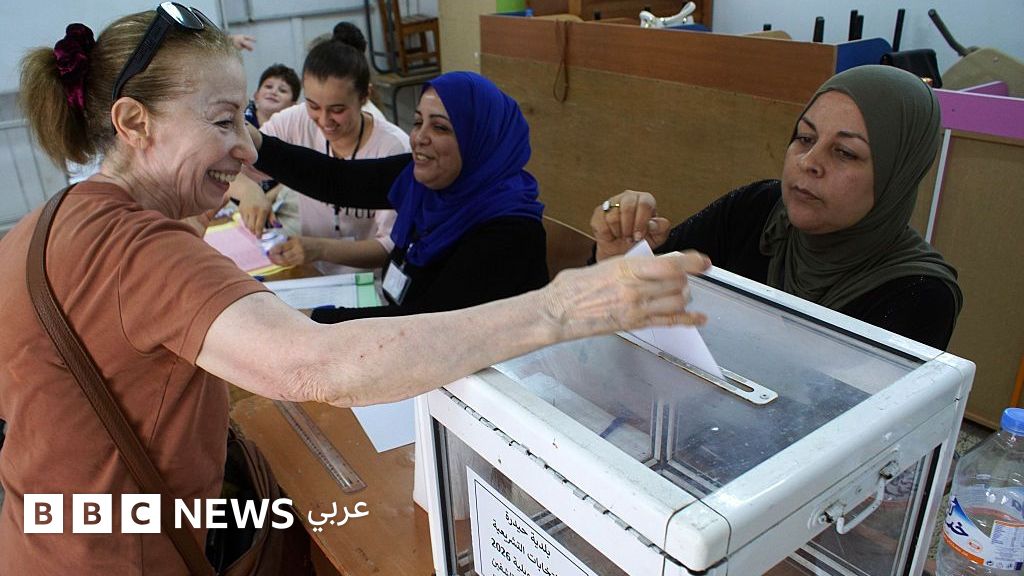
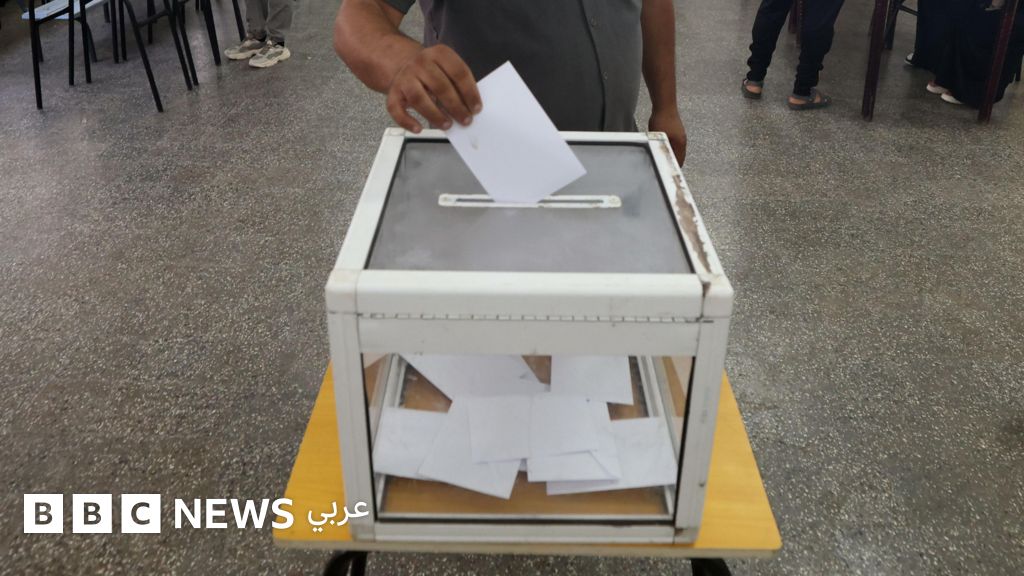
Algeria's Independent National Election Authority announced that the provisional turnout recorded in Thursday's vote for members of the National People's Assembly reached 20.79% by polling station closing time, representing nearly 5 million voters out of 24 million registered.
Algeria Elections: What Algerians Expect from the Next Parliament?
Image caption, Algerians elect 407 members of the National People's Assembly
Published July 2, 2026
Reading duration: 3 minutes
Algeria's Independent National Election Authority announced that the provisional turnout recorded in Thursday's vote for members of the National People's Assembly reached 20.79% by polling station closing time, representing nearly 5 million voters out of 24 million registered.
Karim Khalfan, acting head of the authority, told state television that the participation rate of the Algerian diaspora abroad reached 10.67% as a provisional figure, pending the completion of vote counting in some capitals.
The election authority is expected to announce all results with the names of winning parties and lists as soon as it receives the final consolidation report from the last polling station across the country and abroad. Meanwhile, the Constitutional Court will later announce the final results after adjudicating any appeals, within a set timeframe.
Thus, the turnout rate in Algeria's legislative elections records its lowest ever, noting that the 2021 legislative elections recorded a turnout of around 30%.
Algerians await the results of the legislative election amid widespread hopes that the next parliament will be a turning point in the performance of the legislative institution and its role in addressing the economic and social challenges facing the country.
The Algerian public also anticipates that the new assembly will contribute to strengthening oversight of government performance to ensure the efficient and transparent implementation of development programs.
This election comes at a time when Algeria is facing a number of issues that require a more effective legislative presence, whether regarding economic reforms, improving the investment climate, or revising some laws that affect citizens' daily lives.
Observers believe that the biggest challenge for the next assembly is not limited to issuing laws but extends to monitoring their implementation on the ground and ensuring their alignment with society's needs.
Skip most read and continue reading
Do you really need to avoid gluten?
"A meal I ate during my vacation ended up infecting me with 38 parasites in my brain"
Ukraine strikes main oil station in Russian city of Saint Petersburg
Funeral music and 'selected verses': How social media interpreted Khamenei's farewell ceremony?
Skip podcast and continue reading
Worth paying attention to
In-depth explanation of the most important events and topics, to help you understand the key changes around you and their impact on your life
Episodes
End of podcast
These analysts assert that the parliament is required to present legislative initiatives that respond to economic and technological transformations and keep pace with regional and international changes.
Many Algerians place the economic file at the top of the next assembly's priorities, especially given the need to diversify national income sources and reduce dependence on hydrocarbon revenues.
Citizens also expect legislation that encourages local and foreign investment, supports startups, and provides a more attractive environment for job creation, particularly for young people.
The social file is no less important than the economic aspects, as citizens demand more effective solutions to issues of housing, health, education, and transportation.
Many hope that the new deputies will work to enact laws that improve the quality of public services, enhance social justice, and direct public spending toward the sectors most impacting citizens' lives.
In the employment sector, demands are increasing for legislation that stimulates companies to hire young people and develops vocational training programs in line with labor market needs.
A number of experts also call for legal revisions that encourage entrepreneurship and simplify administrative procedures for investors and small business owners.
Analysts affirm that the success of the next assembly will also be measured by the effectiveness of its oversight role over the executive branch.
The constitution grants parliament powers to question the government and monitor the implementation of public policies, making parliamentary oversight one of the most prominent files that citizens expect to be developed in the coming phase.
Among the issues that also attract wide attention is the fight against corruption and the enhancement of transparency in the management of public funds.
Many Algerians hope that the next assembly will witness legislative initiatives that support oversight mechanisms and entrench principles of integrity and accountability, thereby strengthening citizens' trust in institutions.
The digital transformation file also emerges among the priorities of the next phase, given the state's trend toward digitizing administrative services and developing the digital economy.
The parliament is expected to discuss laws related to data protection, cybersecurity, and e-commerce, in line with the rapid developments in this field.
On the environmental front, calls are increasing to adopt legislation that supports sustainable development, preserves natural resources, and encourages investment in renewable energies.
Specialists consider that these files will gain increasing importance in the coming years due to climate change and the associated economic challenges.
Observers believe that the level of participation in the elections will be an important factor in determining the strength of the next assembly and its representation of various segments of society.
They also affirm that a higher turnout could give the next parliament greater political momentum and a broader capacity to exercise its legislative and oversight roles.
Conversely, a number of citizens demand that the next assembly be more open to public opinion by enhancing communication with voters, continuously listening to their problems, and not limiting interaction to election campaign periods.
They consider that a successful deputy is one who maintains a permanent connection with citizens and conveys their demands to the parliament dome.
In your opinion
What are the implications of the low turnout in this election compared to the previous one?
What are the priorities of the new parliament in light of economic and social challenges?
Will the next legislative assembly succeed in restoring the trust of the Algerian public? And why?
How can the next council strengthen its role in overseeing the government's performance?
What are the most prominent challenges that the next legislative assembly may face in achieving citizens' aspirations?
How can the next legislative assembly enhance transparency and fight corruption?
We discuss these and other topics in the Friday, July 3 episode.
Phone lines open half an hour before the program starts at 00442038752989.
If you wish to participate via Zoom with audio and video, or by text message, please contact via the program's WhatsApp number: 00447590001533
You can also send phone numbers to our Facebook page via a private message.
You can also participate with your opinion in the discussions posted on the same page, at: https://www.facebook.com/NuqtatHewarBBC
Or via X platform using the hashtag @Nuqtat_Hewar
You can watch episodes of the program via this link on YouTube here.
Skip short clips and continue reading
Short clips
End of short clips
Original source: BBC Arabic
Comments (0)
Be the first to comment.