Andy Burnham to UK Premiership... Will He Succeed in Fulfilling His Promises?
Andy Burnham to UK Premiership... Will He Succeed in Fulfilling His Promises?
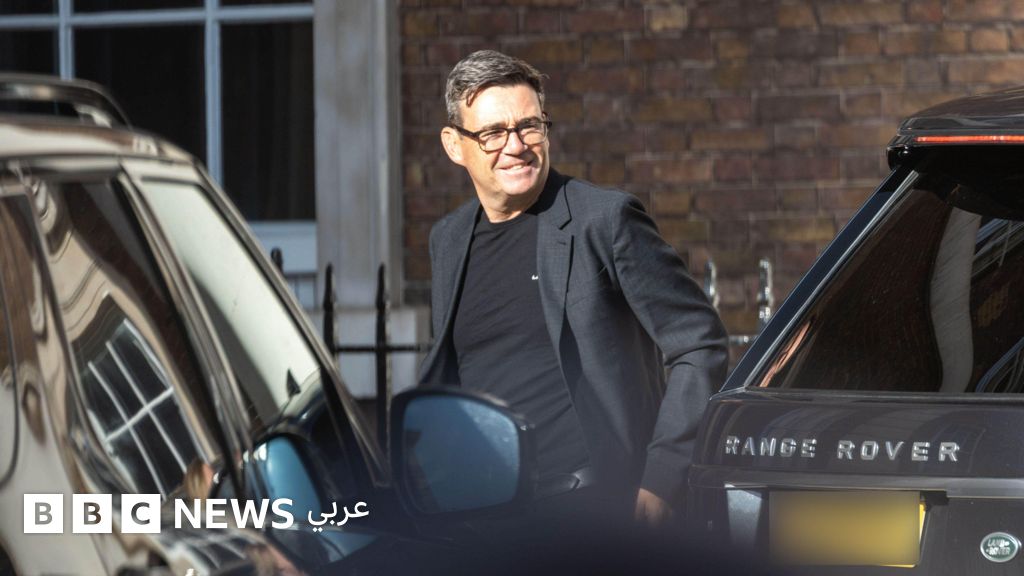
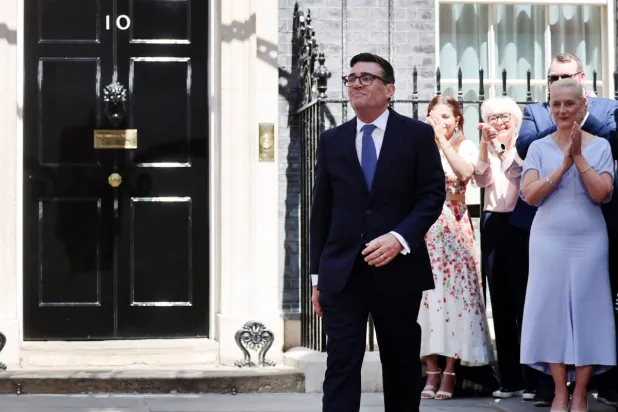
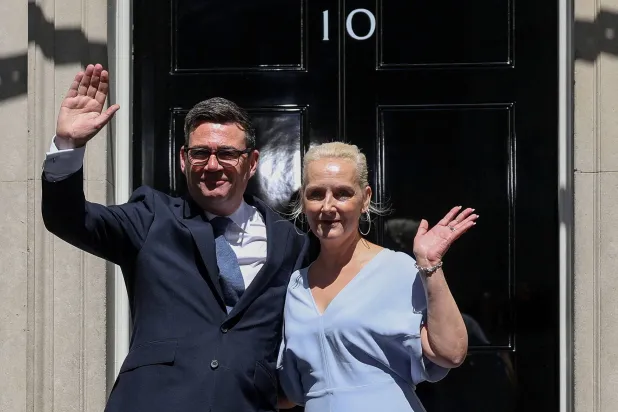
Photo caption: Andy Burnham, the designated UK Prime Minister, upon his arrival at his temporary office in Westminster ahead of assuming the duties of premiership.
Published 10 minutes ago
Reading time: 5 minutes
Andy Burnham takes over as UK Prime Minister from Keir Starmer, after being elected leader of the Labour Party, a power transition that comes about two years after the party won a large majority in the general election, at a time when Britain faces slowing economic growth, rising living costs, and increasing pressures on public services.
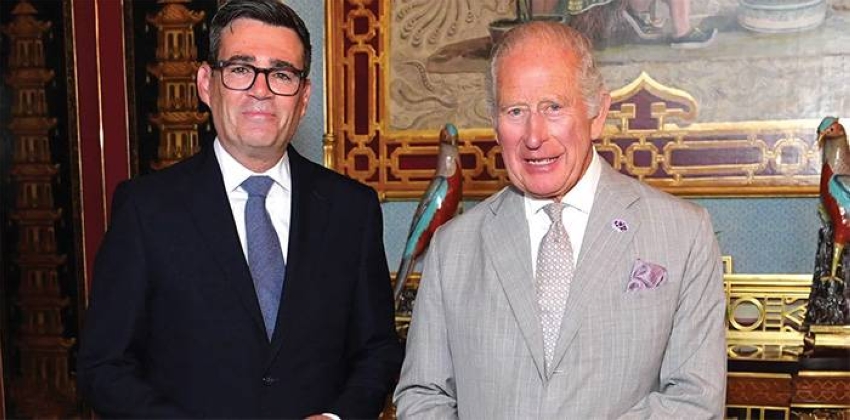
Starmer formally tenders his resignation to King Charles III, before the King receives Burnham and tasks him with forming the new government. British constitutional conventions do not require a general election when the leader of the ruling party changes, as long as the party retains its majority in the House of Commons.
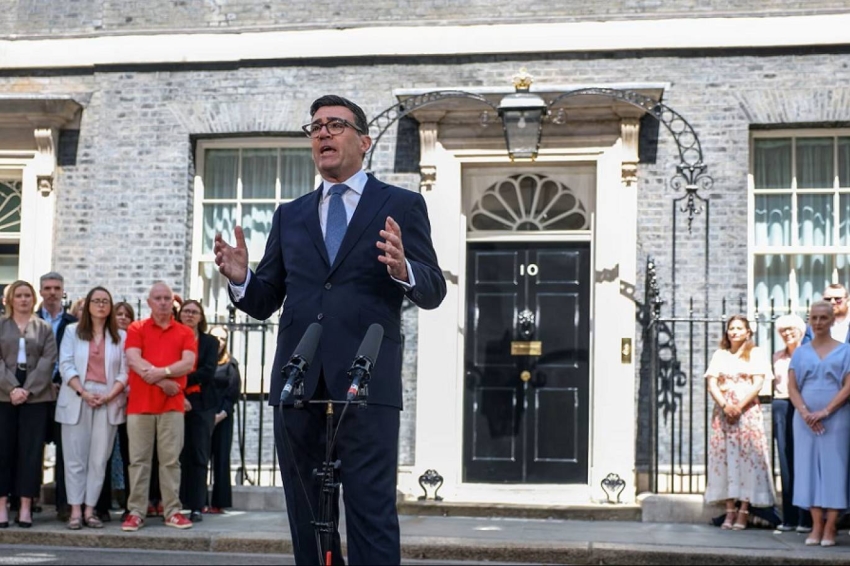
After being tasked, Burnham heads to the Prime Minister's residence at Downing Street to deliver his first speech as head of government, before beginning to announce the formation of his cabinet.
Burnham becomes the seventh Prime Minister in Britain within a decade, and the third head of government appointed by King Charles since his accession to the throne in 2022, reflecting the continued political volatility the country has experienced in recent years.
Who is Andy Burnham, the leading candidate for UK Prime Minister?
Andy Burnham: Why is the new British Prime Minister a puzzle to everyone?
Photo caption: Larry the cat, Chief Mouser to the Cabinet Office, waits to enter the Prime Minister's residence at 10 Downing Street in London, ahead of the confirmation of Labour leader Andy Burnham as the new Prime Minister later on Monday.
Burnham's rise comes after a turbulent period within the Labour Party. After the big victory in the July 2024 election, Starmer's government's popularity waned, before the party suffered a blow in the local elections held in May 2026, with Reform UK achieving strong results that raised Labour MPs' concerns about the upcoming general election.
Burnham, who had served as Mayor of Greater Manchester since 2017, returned to the House of Commons after winning a by-election in the Makerfield constituency on 18 June. His return paved the way for the party leadership race, before he secured the backing of 379 MPs and assumed the leadership unopposed.
Burnham had previously run for the party leadership twice, in 2010 and 2015, without success. But his years in Manchester, and the local initiatives and reforms associated with them, bolstered his image as a politician advocating for giving cities and regions a greater role in decision-making.
Burnham studied English Literature at the University of Cambridge, and worked as a researcher and political adviser before being elected as a Member of Parliament in 2001, then held a number of ministerial positions, including Culture and Health in Gordon Brown's government.
Skip most read and continue reading
Hany Shenouda: Departure of the voice of cinema and one of the pioneers of contemporary music in Egypt
With orange lips and a roar-like call... New monkey discovered in the forests of Congo
Spain defeats Argentina: Was 'La Roja's' coronation a victory for football?
World Cup final: Spain world champions for the second time after beating Argentina
Video caption: Andy Burnham as leader of the ruling Labour Party in Britain
Transfer of power to the regions
Skip the podcast and continue reading
Worth attention
In-depth explanation of the most important events and topics, to help you understand the key changes around you and their impact on your life
Episodes
End of podcast
The transfer of power from central government to the regions is a central pillar of the political project Andy Burnham proposes, an approach associated with his name during his years as Mayor of Greater Manchester.
Burnham believes that decision-making has long been concentrated in London, at the expense of cities and regions' ability to determine their economic and service priorities, calling for what he described as 'the greatest rebalancing of power the country has seen'.
He spoke about granting local authorities broader powers in areas of economic development, housing, transport, education, and vocational training, along with a greater role for the public sector in some essential services.
He also proposed the idea of establishing a government hub in Manchester named 'Northern Number 10', to help manage some files related to housing, regional development, and public utility reform.
He said the transfer of powers would not be limited to English cities but would also include Scotland, Wales, and Northern Ireland, as part of a project he describes as 'Reconnecting Britain'.
These proposals have raised questions among some politicians and business circles in London about the impact of moving government institutions and resources outside the capital.
In contrast, supporters of decentralization believe that granting cities more powers and resources could help them invest better in the needs of their residents and contribute to reducing economic disparities between regions of the United Kingdom.
Economic growth
Burnham believes that improving living standards requires rebuilding Britain's productive base, not just relying on short-term financial measures.
From this perspective, he spoke about supporting local manufacturing in strategic sectors, including steel, energy, defense, agriculture, and food industries, while encouraging investment in areas that have experienced economic decline in recent decades.
He also expressed his desire to reduce Britain's dependence on foreign suppliers, particularly in defense industries, so that military spending supports local industry and creates jobs within the country.
But implementing this vision may face significant financial challenges, given the pledge to increase defense spending in the coming years, while at the same time adhering to fiscal rules and not increasing borrowing to finance day-to-day spending.
Burnham places the cost of living crisis at the top of his government's priorities, vowing to give Britons 'breathing space'. Taxes, spending, energy, and public services are expected to be among the first economic files his government will face, amid questions about the mechanisms to fund his promises.
Housing, education, and taxes
Burnham pledged to launch what he described as the largest social housing building program since the post-World War II period, utilizing unused public land to help reduce construction costs.
He also adopts the 'Housing First' approach, inspired by the Finnish experience, which focuses on providing permanent housing for the homeless as the first step to addressing the health, social, and economic problems they face.
In the field of education, he calls for granting technical and vocational education the same status as university education, expanding training programs, and encouraging companies to provide more opportunities for young people.
This comes at a time when the number of young people not in employment, education, or training exceeds one million, raising concerns about its impact on productivity and the labor market.
Original source: BBC Arabic

Comments (0)
Be the first to comment.