Armenia: A Close Destination Combining History, Nature and Culture

Armenia: A Close Destination Combining History, Nature and Culture
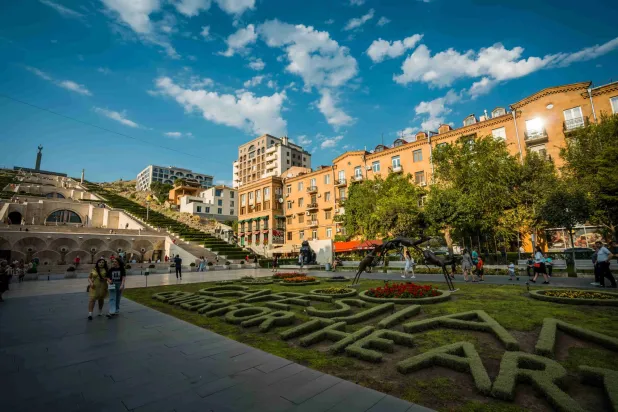
The capital Yerevan blends heritage, nature and culture
Armenia presents itself as one of the closest tourist destinations to the Arab Gulf countries, combining ease of access, short travel time, and a diversity of experiences for visitors. In a limited geographical area, historic cities sit alongside ancient monasteries, mountain lakes, forests, and rural villages, giving tourists the chance to explore multiple facets of the country in just a few days. The capital Yerevan serves
as the starting point for exploring this destination that blends heritage, nature, and culture.
Yerevan welcomes its visitors with a distinctive urban landscape, known for its buildings made of pink volcanic stone that give it a unique visual identity. Public squares, parks, and open-air cafes reflect the city's vitality, alongside its cultural and historical landmarks that have made it one of the top visitor stops in the Caucasus region.
The Armenian Table: Part of Community Culture
The table plays a strong role in the daily life of Armenians, as hospitality is part of inherited social customs. Local cuisine relies on fresh produce, along with meat, vegetables, and natural herbs, as well as seasonal fruits the country is known for, such as apricots, cherries, plums, and berries.
One experience that attracts visitors is watching the preparation of lavash bread in clay tandoor ovens, prepared traditionally and served fresh. Lavash is one of the most prominent elements of Armenian cuisine and has been inscribed by UNESCO on the Representative List of the Intangible Cultural Heritage of Humanity.
Garni: A Witness to Ancient Armenian History
Outside the capital, mountain nature asserts itself, especially in the Kotayk region, where the Temple of Garni is located, one of the most prominent archaeological sites in Armenia. The temple is built on a high plateau overlooking a mountain valley, features classical architectural style, and is the last surviving pagan temple in the country, standing as a testament to ancient Armenian history.
The temple combines its historical value with views of the surrounding mountains and valleys, while the area offers various activities, including driving all-terrain vehicles along mountain trails.
Symphony of Stones: A Geological Phenomenon
Near the Temple of Garni lies the 'Symphony of Stones' area, one of Armenia's most prominent natural phenomena. It consists of massive basalt columns formed by volcanic activity over thousands of years, creating unique geological formations that make it one of the most visited natural sites in the region.
Geghard Monastery: Architecture Carved into Rock
Geghard Monastery is one of the most important religious and historical sites in Armenia, notable because large parts of it are carved into the rock. The monastery reflects the uniqueness of Armenian religious architecture and has been inscribed as a UNESCO World Heritage Site due to its historical and cultural value.
Lake Sevan: Armenia's Largest Lake
Lake Sevan is the largest lake in Armenia and one of the highest freshwater lakes in the world, its blue waters stretching between mountains to form one of the country's top natural destinations. The lake offers visitors boat trips, walks along its shores, and the chance to taste the local fish for which the area is famous.
Dilijan: Forests and Moderate Climate
From Sevan, the road extends to the city of Dilijan, known for its dense forests and tranquil nature, making it one of Armenia's leading eco-destinations. The city features traditional houses and quiet streets, while the surrounding forests offer hiking trails and nature enjoyment.
Lori: Rural Nature and Ancient History
In the north of the country, the Lori region stretches between valleys and green highlands, reflecting the diversity of Armenian nature. The region is dotted with rural villages, farms, and forests, along with several monasteries and historical sites, while mountain roads connecting villages offer panoramic views of the Armenian countryside.
The region is characterized by its tranquility and open nature, making it a suitable stop for those wishing to explore rural life and discover a different side of Armenia's natural features.
Gyumri: City of Culture
Gyumri is the second-largest city in Armenia, known for its cultural and architectural character, having preserved many of its historic buildings despite earthquakes over the past decades. The city features public squares, museums, and handicraft workshops, making it an important stop for learning about local heritage.
A Diverse Destination
Armenia offers a travel experience combining historical sites, mountain nature, and cultural heritage within a limited geographical area, allowing visitors to move between cities, monasteries, lakes, and forests in a short trip.
For Saudi and Gulf tourists, Armenia represents a close destination characterized by easy access, a moderate climate, and diverse tourist activities, making it a suitable choice for those seeking to explore a destination that combines history, nature, and culture in the heart of the Caucasus region.
Dilijan: Moderate Climate and Traditional Houses
Lavash Bread: A Key Element of Armenian Cuisine
Lake Sevan: Armenia's Largest Lake
Original source: Al-Riyadh


Comments (0)
Be the first to comment.