955 Fires in Canada, Smoke Clouds Cover Major US Cities
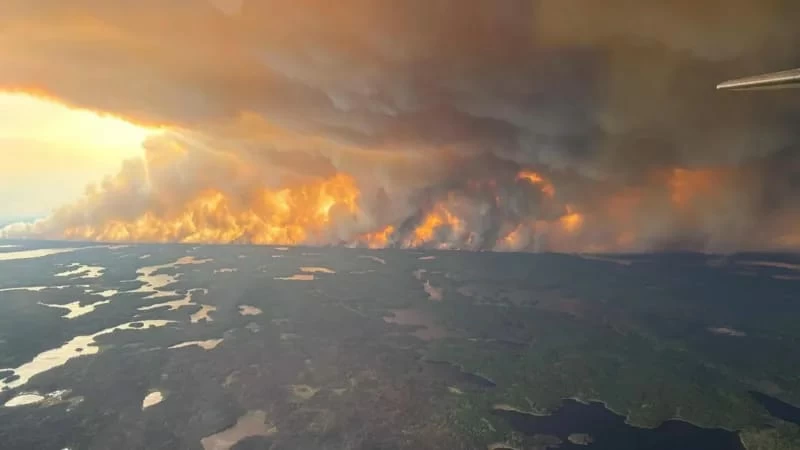
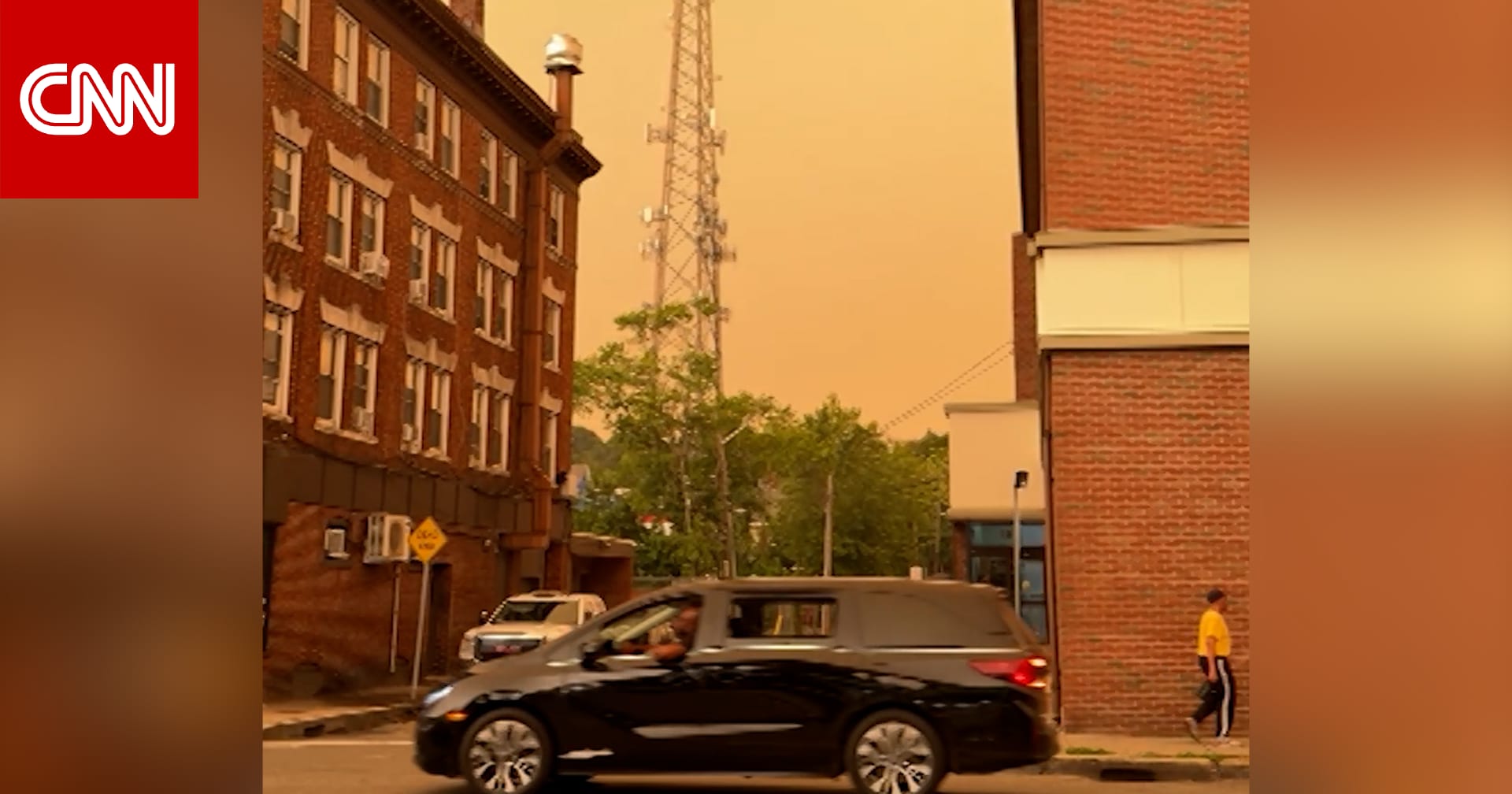
Hundreds of wildfires raging in Canada continue to release massive amounts of thick smoke, which has spread to the northeastern United States, causing a sharp deterioration in air quality in several major cities, amid health warnings for residents, widespread evacuations, and rising political tensions between Washington and Ottawa.
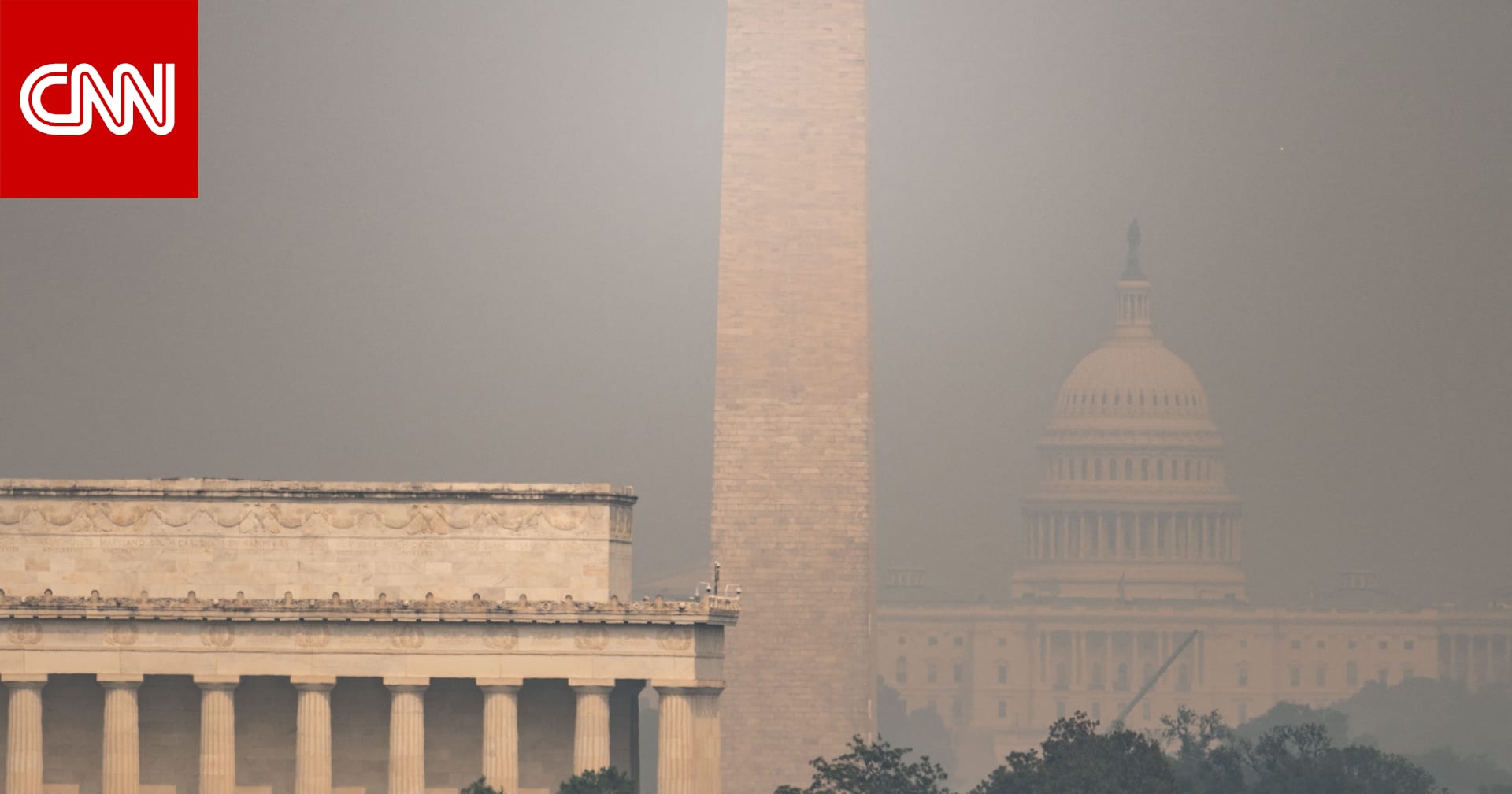
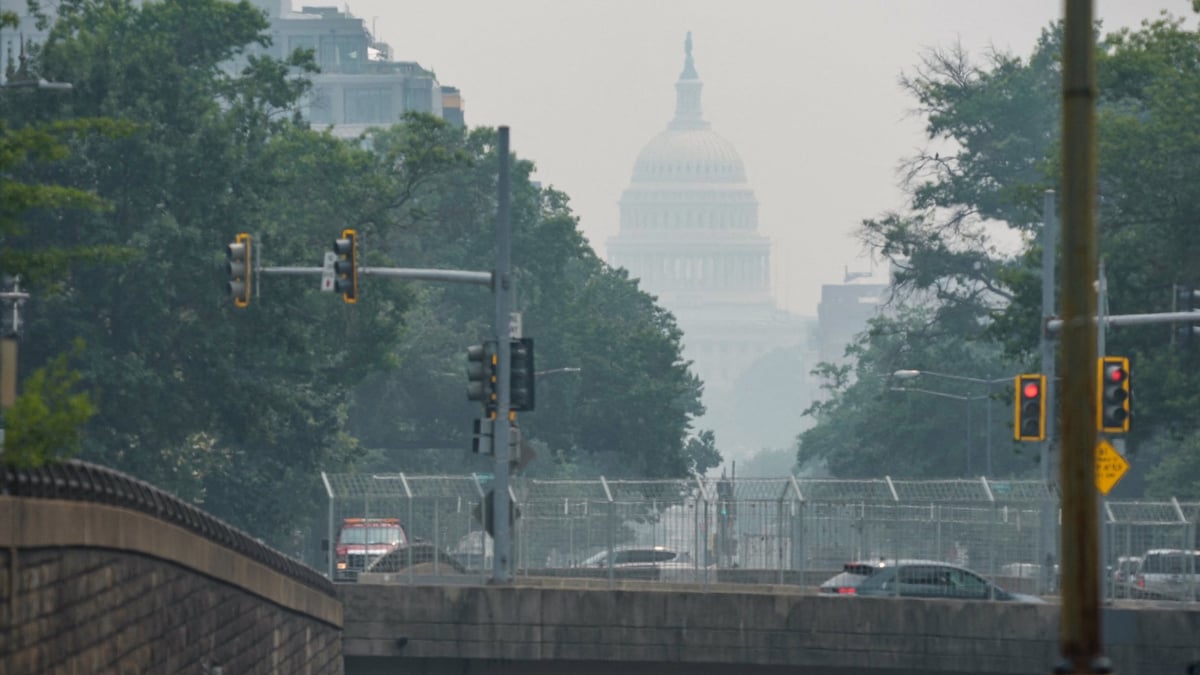
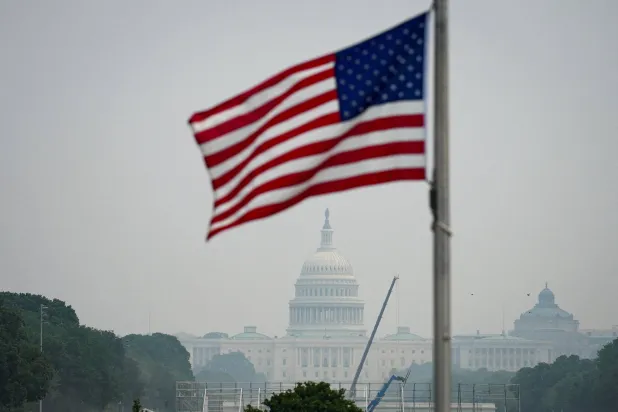
The cities of Toronto, New York, and Washington, D.C., recorded today (Saturday) one of the worst air quality levels in the world, according to air pollution monitoring indicators, prompting local authorities to urge residents to avoid outdoor activities and limit exposure to smoke due to the health risks it poses.
955 Active Fires and Complete Community Evacuations
According to the Canadian Interagency Forest Fire Centre, there are still 955 active fires across Canada, including about 200 fires in Ontario.
More than 12 fire outbreaks have erupted along the northern border of the US state of Minnesota, consuming over 73,000 acres, with authorities describing the situation as 'unprecedented' and declaring a state of emergency to accelerate firefighting efforts.
In northern Ontario, flames consumed large areas near Lake Superior, national parks, and Indigenous communities, with evacuation orders issued for six residential clusters after homes and facilities were damaged.
Matthew Hoppe, emergency operations commander in the community of Namaygoosisagagun First Nation, confirmed that the fires destroyed the community almost entirely, noting that residents had to flee via small boats as flames approached, with no direct fatalities or injuries recorded.
Heatwave and Drought Behind Escalation of Crisis
Experts from the US National Interagency Fire Center and the Canadian Natural Resources Authority suggest that the intense heatwave that hit northern Ontario at the end of June, along with low rainfall, were the main reasons for the expansion of the wildfires.
The experts explained that the so-called 'heat dome' trapped hot air and smoke over the region, while drought turned vegetation into highly flammable fuel, and winds and storms helped spread the fire and smoke over long distances.
Smoke Clouds Cover Major Cities
Satellite images showed that winds pushed smoke south and east from Ontario towards Toronto, New York State, and as far as Boston.
IQAir, a company specializing in air quality monitoring, classified Toronto, New York, and Washington as among the most polluted cities in the world, while cities like Minneapolis and Detroit saw relative improvement after being among the worst in recent days.
Health experts warn that wildfire smoke contains extremely fine particles such as PM2.5 and nitrogen dioxide, pollutants that can penetrate the lungs and cause inflammation and serious health complications.
New York State Health Commissioner Jim McDonald said these particles reach deep into the respiratory system and cause inflammation that can directly affect human health.
The World Health Organization also confirms that exposure to this smoke can exacerbate respiratory, heart, kidney, and eye diseases, with increased risk for children, the elderly, those with chronic illnesses, and emergency teams.
Health Recommendations for Residents
Local authorities have issued a series of guidelines, most notably: avoid strenuous outdoor physical activities, stay indoors and close windows, wear certified N95 or KN95 masks, and consult a doctor immediately if experiencing shortness of breath, wheezing, or chest pain.
They also warned against the spread of counterfeit masks online, urging the use of only certified products, as several cities began distributing masks for free and activating emergency plans for air pollution.
Political Tensions Between Washington and Ottawa
The repercussions of the fires were not limited to the environmental side, as they also ignited a political dispute between the United States and Canada.
US President Donald Trump threatened to impose new tariffs on Canada, saying his country bears an 'incalculable cost' due to the smoke from the wildfires, and accused Ottawa of 'deliberate negligence' in forest management.
Trump's remarks came after a letter sent by four Republican congressmen from Michigan to Canadian Prime Minister Mark Carney, urging urgent action to mitigate the fires' impacts, stating that 'the American lung pays the price for Canadian inaction year after year.'
In response, Carney stressed that both countries share responsibility in facing climate change, while Ontario Premier Doug Ford affirmed that accusing Canada of negligence is 'unacceptable,' recalling that Canadian firefighting teams participated last year in fighting California wildfires, adding: 'That's how neighbors act... they offer help instead of exchanging accusations.'
Experts also pointed out that smoke does not recognize political borders, and that winds carry pollutants between the two countries in both directions, which also happened during major wildfires in the United States in past years.
Will Conditions Improve Soon?
Weather experts expect air quality in Toronto, New York, and Washington to gradually improve with rainfall and a change in wind direction, lowering pollution levels from 'unhealthy' to 'moderate' in the coming hours.
However, concerns remain about the ongoing impact of smoke on the World Cup final scheduled to be held at MetLife Stadium in New Jersey, although forecasts indicate that rain may help improve conditions before the match.
Meanwhile, Canadian authorities expect the risk of wildfires to continue at above-normal levels in the Northwest Territories, Ontario, and Quebec during July and August.
Experts believe that wildfires have become more severe in recent years due to climate change, as the 2023 fires consumed about 15 million hectares, while the 2025 fires have so far consumed over 8.3 million hectares, with expectations of continued risks amid rising temperatures, declining snow cover, and increasing drought waves.
Hundreds of wildfires raging in Canada continue to release massive amounts of thick smoke, which has spread to the northeastern United States, causing a sharp deterioration in air quality in several major cities, amid health warnings for residents, widespread evacuations, and rising political tensions between Washington and Ottawa.
Today (Saturday), the cities of Toronto, New York, and Washington, D.C., recorded one of the worst air quality levels in the world, according to air pollution monitoring indicators, prompting local authorities to urge residents to avoid outdoor activities and limit exposure to smoke due to the health risks it poses.
955 Active Fires and Complete Community Evacuations
According to the Canadian Interagency Forest Fire Centre, there are still 955 active fires across Canada, including about 200 fires in Ontario.
Original source: Okaz


Comments (0)
Be the first to comment.