Iran's Mahan Air to Replace Yemenia: A Destructive Project Serving Militia Leaders and Families

Yemen's Presidential Leadership Council discusses Iran's request to operate a Mahan Air flight from Tehran to Sanaa to return Houthi militia members, calling it a violation of sovereignty and international law.
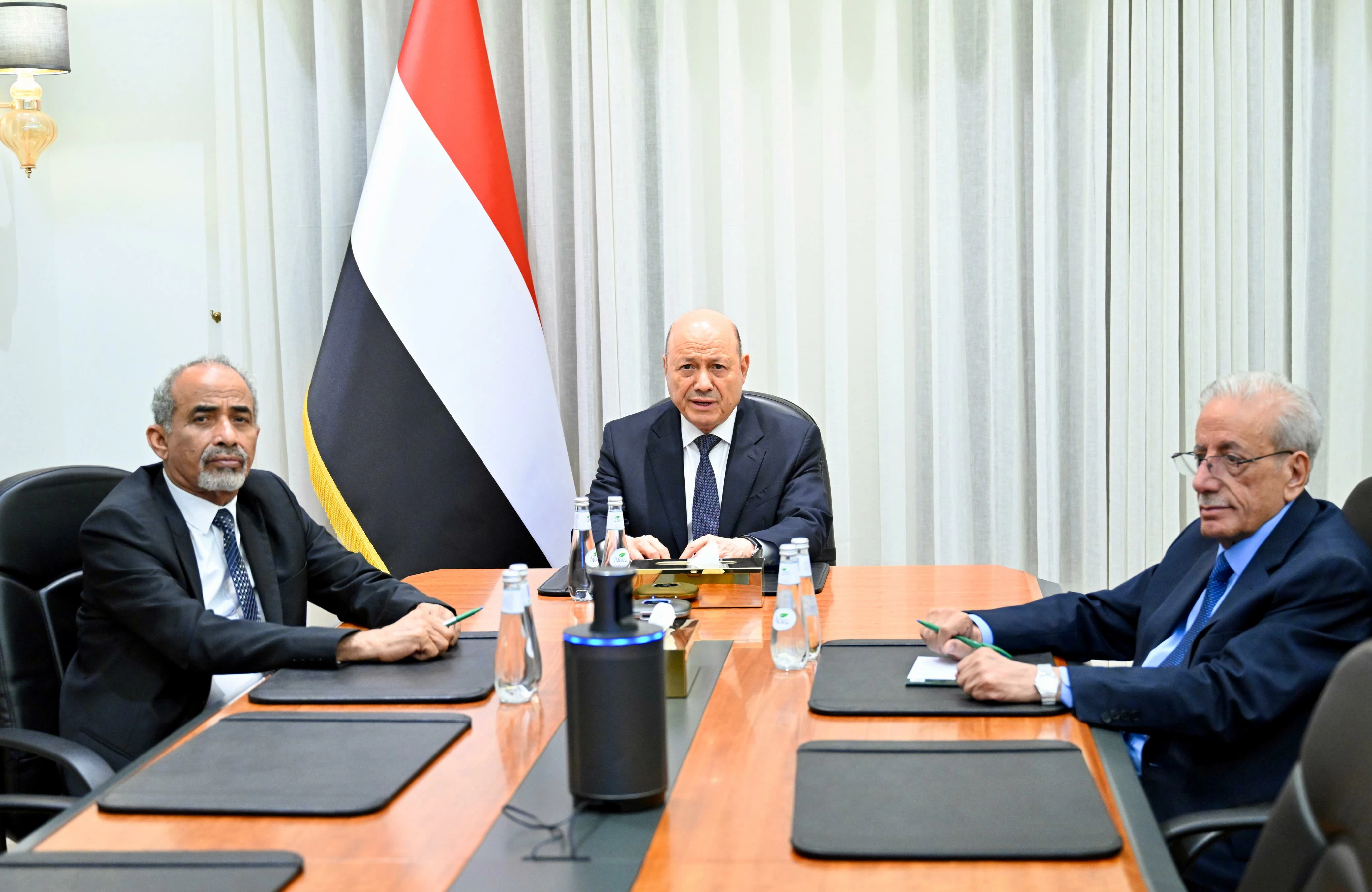
The Yemeni Presidential Leadership Council discussed the request submitted by Iran through the leadership of the Coalition to Support Legitimacy in Yemen to operate a flight of Iran's Mahan Air from Tehran to Sanaa to return the Houthi terrorist militia elements previously transported from Sanaa International Airport, which is under militia control, on July 3, 2026.
It emphasized that this constitutes a clear violation of the sovereignty of the Republic of Yemen and a blatant challenge to international law and relevant UN Security Council resolutions.
Strangulation and Siege of the Yemeni People
The Houthi militia had rejected all initiatives by the legitimate government to open Sanaa Airport and insisted on disrupting the national carrier, in a step aimed at strangling and besieging the Yemeni people and exacerbating their suffering, while replacing Yemenia with Iran's Mahan Air to operate flights between Sanaa and Tehran.
Related News
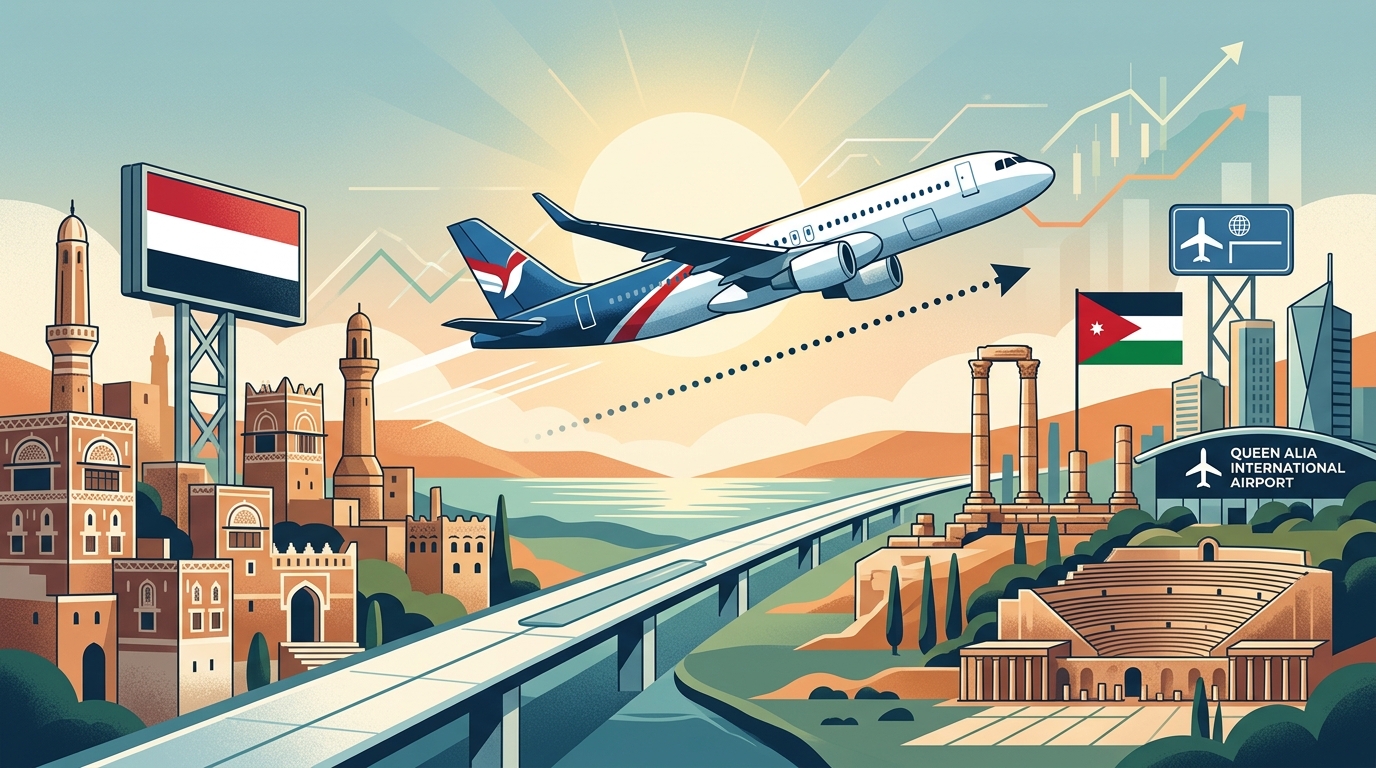
This step serves only the Iranian agenda and perpetuates the use of Yemen as a platform for cross-border blackmail, exploiting the resources of the Yemeni people to serve the leaders and families of the militias and their destructive project. The legitimate government affirmed to the Yemeni people, especially citizens in areas forcibly controlled by the Houthi militia, that Yemenia is fully prepared to resume commercial flights from Sanaa Airport to the Jordanian capital Amman and to any other agreed destinations, as soon as sufficient guarantees are provided to protect aircraft and crews and to prevent interference in the company's operations.
Sanaa Airport
Naturally, the legitimate government rejects operating the return flight of the Houthi delegation to Sanaa via Mahan Air, which has been subject to international sanctions in recent years for providing logistical support to Iran's Revolutionary Guard. This is in addition to its suspicious behavior during its flight that transported the Houthi delegation to Iran, where it repeatedly disrupted the aircraft's tracking signals while crossing Yemeni airspace, reflecting its desire to conceal the fact that it was carrying elements of Iran's Revolutionary Guard and Hezbollah, as well as military equipment, weapons, and communication devices to enhance the capabilities of the Houthi militia, in clear violation of relevant UN Security Council resolutions. Iran's request through the leadership of the Coalition to Support Legitimacy in Yemen to operate a Mahan Air flight from Tehran to Sanaa to return the Houthi delegation is a step to attempt to rectify the illegal procedures by which the delegation was transported from Sanaa Airport to Iran, in explicit violation of international law and relevant UN Security Council resolutions.
Yemenia
The legitimate government has worked to ensure the continuity of civilian flights via Sanaa Airport using Yemenia, and has presented several initiatives, foremost among them operating regular flights between Sanaa and the Jordanian capital Amman, to alleviate the suffering of citizens, similar to other Yemeni airports under state administration. The legitimate government's initiatives to ensure the continuation of civilian flights via Sanaa Airport using Yemenia were met with unilateral actions by the Houthi terrorist militia, resulting in the suspension of air traffic through Sanaa Airport and the disruption of Yemenia flights. The Houthis hijacked four Yemenia aircraft in 2024 and prevented them from departing Sanaa Airport. In its keenness to enable the Yemeni people to travel and to preserve the company as a commercial entity, the Yemeni government allowed the company to allocate these aircraft for flights between Sanaa and Jordan.
Exploiting Yemen to Serve the Agendas of Another Country
The Houthi involvement of Yemen in regional conflicts to serve external agendas led to the bombing of four Yemenia aircraft at Sanaa Airport in broad daylight. Instead of evacuating them with sufficient time, the Houthis left them to be bombed, just as they left Hodeidah port and infrastructure to be bombed and destroyed, aiming to recruit the Yemeni people and exploit their genuine Arab emotions towards the just Palestinian cause, as a prelude to mobilizing them and dragging them into wars with their own people in Yemen and their brothers in the Kingdom, with the goal of using Yemen to serve the agendas of another country. The legitimate government, along with the coalition, has been studying how to resume flights from Sanaa Airport to Jordan and other destinations for over a year, serving the Yemeni people. A proposal was made for Yemenia to resume transporting Yemeni passengers under Houthi control from Sanaa to Jordan by purchasing or leasing new aircraft, or contracting with other airlines, provided that the sanctioned Houthis do not interfere in its operations or revenues. The Houthis also refused to release the funds of Yemenia held in Sanaa, which exceeded $120 million, for the purchase or leasing of aircraft, and insisted on controlling the commercial company and interfering in its operations, and that funds be deposited into their accounts in Sanaa. Notably, the company in Aden is led and managed by the same Yemenis who ran it before the Houthi coup in 2014. The Houthis then claimed that the legitimate government and the coalition prevented the transport of passengers from Sanaa to Jordan, continuing their deceptive and misleading approach towards the Yemeni people.
Transfer of Military Support to the Houthis
The legitimate government's rejection of operating the return flight of the Houthi delegation to Sanaa via Mahan Air comes in light of international and regional reports confirming that Iranian aviation was used as a cover to transport military support to the Houthis, as well as experts and weapons to support the terrorist group. The Houthis want to repeat this today by insisting on the continuation of Iranian flights between Sanaa and Tehran. The legitimate government's rejection came after it was revealed what the plane that transported the Houthis to Iran carried: large quantities of weapons left Sanaa Airport after the Iranian flight landed, and large vehicles left accompanied by military personnel. Additionally, it transported officers and advisors from Iran's Revolutionary Guard, Hezbollah elements, explosives experts, drone assembly techniques, missile modifications, complex military communication devices, and espionage equipment used to suppress Yemenis. It also transported wanted individuals from militia leaders to receive training in Iranian camps. The legitimate government offered alternative options for the return of the Houthi delegation, studying the possibility of their return via a chartered aircraft operated by Yemenia, as the sole national carrier, instead of relying on a foreign airline serving the interests of the Houthi militia and its backers.
Violation of Yemen's Sovereignty
Original source: Al-Yaum



Comments (0)
Be the first to comment.