Report: Israel fears peace more than war with Iran

For weeks, Israelis have been living in a state of anxiety due to the uncertainty and fluctuations surrounding the intermittent confrontation with Iran. As the United States and Iran shift between negotiations, threats, and strikes, Israel has so far remained stuck in a state of open waiting.
According to The New York Times, Israeli civilians fear they could find themselves stranded abroad if they travel during the summer, or forced once again to take shelter if war reignites. The military, which ended its campaign against Iran with a nominal ceasefire and is still engaged in Lebanon and Gaza, does not know which scenario to prepare for.
This uncertainty, along with the continuous tension that seems far from ending, puts Israel in an uncomfortable position. Polls show that Israelis feel less secure today than before the US-Israeli attack on Iran in February.
But for many in Israel, this situation may be better than the alternatives.
The dilemma is that Israel's goals do not align with those of President Donald Trump's administration. Trump has made clear that his primary and urgent priority is to reopen the Strait of Hormuz to trade without Iranian obstruction. Even in his toughest rhetoric, he has insisted that current US attacks on Iran are not intended to reignite war, but to force Tehran back to the negotiating table.
Related news
In Israel, any new agreement between Washington and Tehran is now viewed as a source of concern, especially given the content of the memorandum of understanding reached by the two sides in June and the issues it omitted.
According to concerned Israeli officials, the memorandum did not address Iran's arsenal of ballistic missiles or its support for allied armed groups in the region, both of which Israel considers fundamental threats.
It also promised the release of billions of dollars to Iran, which Israel fears Tehran will use to fund these two tracks, while the memorandum postponed discussing how to prevent Iran from acquiring nuclear weapons.
Therefore, Israelis do not pin much hope on any new agreement between Trump and Iran being better than its predecessor.
Yaakov Nagel, former national security adviser to Prime Minister Benjamin Netanyahu, said: 'If you ask me, no negotiations are far better than bad negotiations.'
Shira Efron, an Israeli analyst at the RAND Corporation, believes that Israel will ultimately have to live with any gaps in the potential agreement.
She said: 'The agreement will tie Israel's hands and restrict its freedom of action, which is what it fears most. Iran threatens Israel in a way it does not threaten the United States.'
While the new agreement between Washington and Tehran is considered the worst-case scenario in the eyes of many Israelis, returning to full-scale confrontation appears, to a number of military and government officials, a more acceptable option.
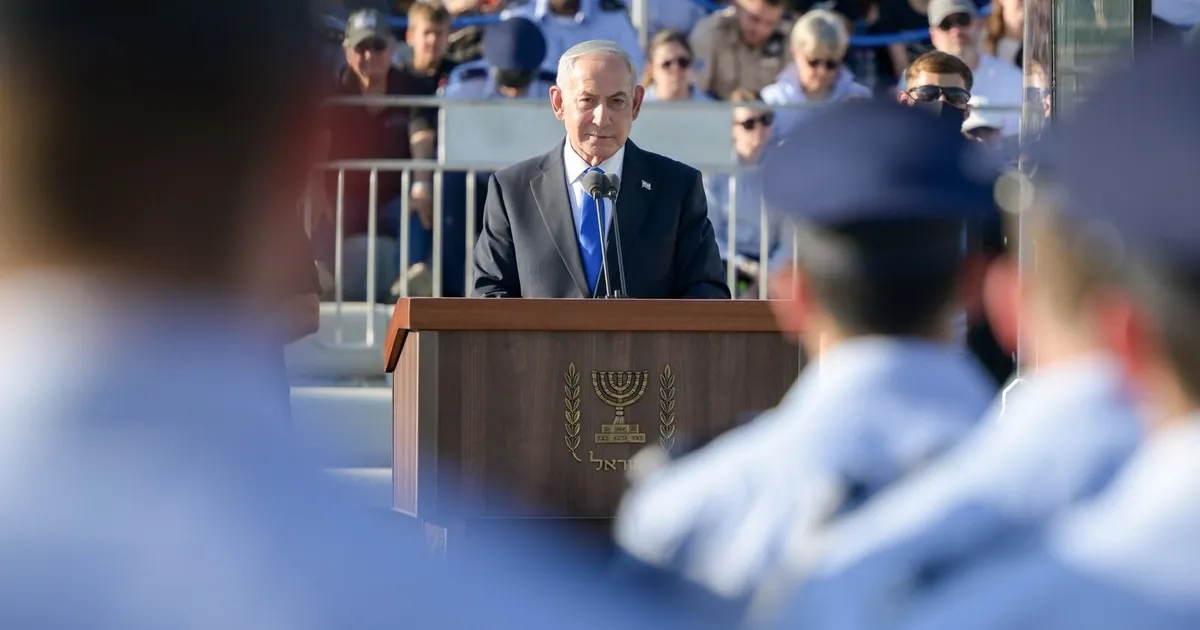
In contrast, Netanyahu is largely absent from the public political debate on resuming the war. Analysts believe this absence reflects an implicit recognition that Israel cannot appear internationally as pushing for war, given the widespread impression that Netanyahu dragged Trump into the confrontation from the start.
Thus, the waiting game Israel is currently playing appears to be the least bad option; tension and uncertainty remain, ultimately, less costly than full-scale war.
For supporters of returning to war, the current tension is still capable of escalating into a broader confrontation, especially if Iran miscalculates and attacks Israel, or targets a US warship in response to the American blockade of the Gulf.
Original source: Sky News Arabia


Comments (0)
Be the first to comment.