Pakistan treads carefully between terrorism and Iran war files

Pakistan, as mediator between the US and Iran, faces renewed tensions in the Strait of Hormuz and a surge in deadly terrorist attacks in Balochistan, challenging its dual role in diplomacy and internal security.
Summary: The atmosphere in Pakistani political corridors is worried about the escalation of conflict again between Washington and Tehran, especially as recent months have taught mediators about constant fluctuations, and the prevailing belief there is that mediators will succeed again in bringing the two parties back to the negotiating table and resuming talks.
Islamabad reopened its private communication channels with Washington and Tehran after the escalation between the two sides returned again in recent days in order to save the memorandum of understanding that bears its name and bring the parties back to the negotiating table.
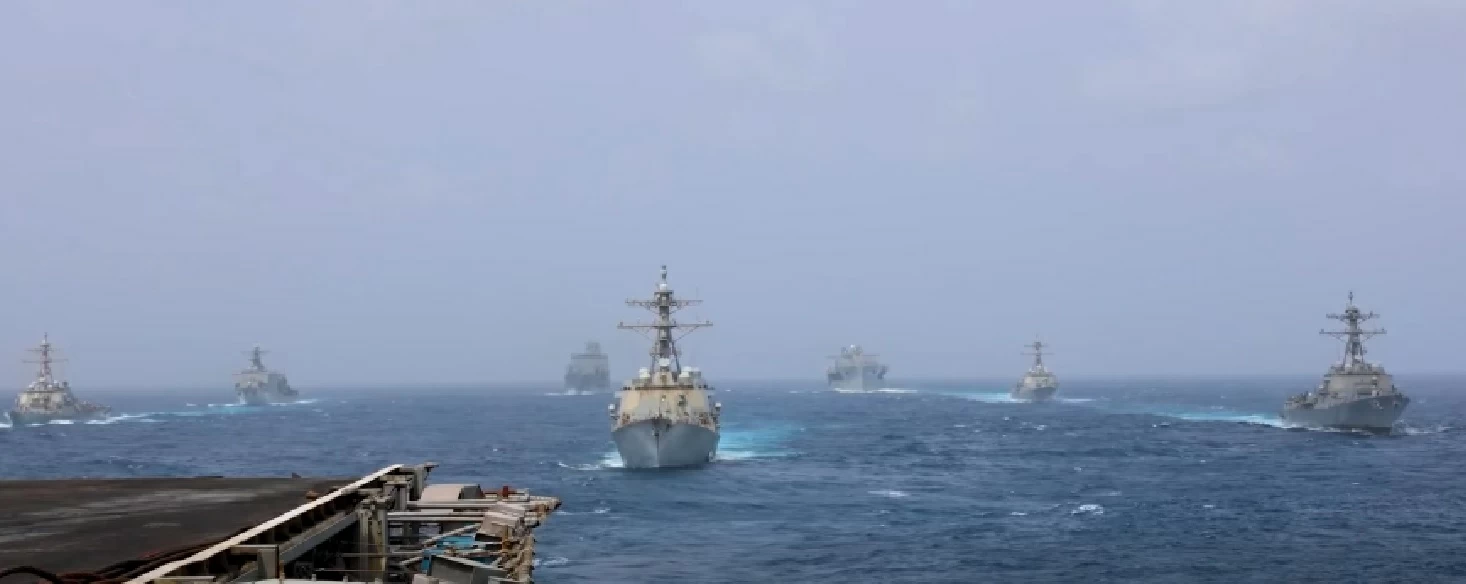
In recent days, while attention was focused on the funeral procession of former Iranian Supreme Leader Ali Khamenei and examining who attended from his family, companions, and followers in successive governments in an attempt to understand the nature and shape of the new regime and the roles that old faces would play, the Strait of Hormuz flared up again as oil tankers attempting to cross the strait were targeted, one of them belonging to the mediating state of Qatar, sending a message to Washington that Iran does not want to adhere to the truce and does not care much about mediation efforts. The US response came quickly with airstrikes on Iranian military sites, and Tehran in turn retaliated by targeting Gulf states.
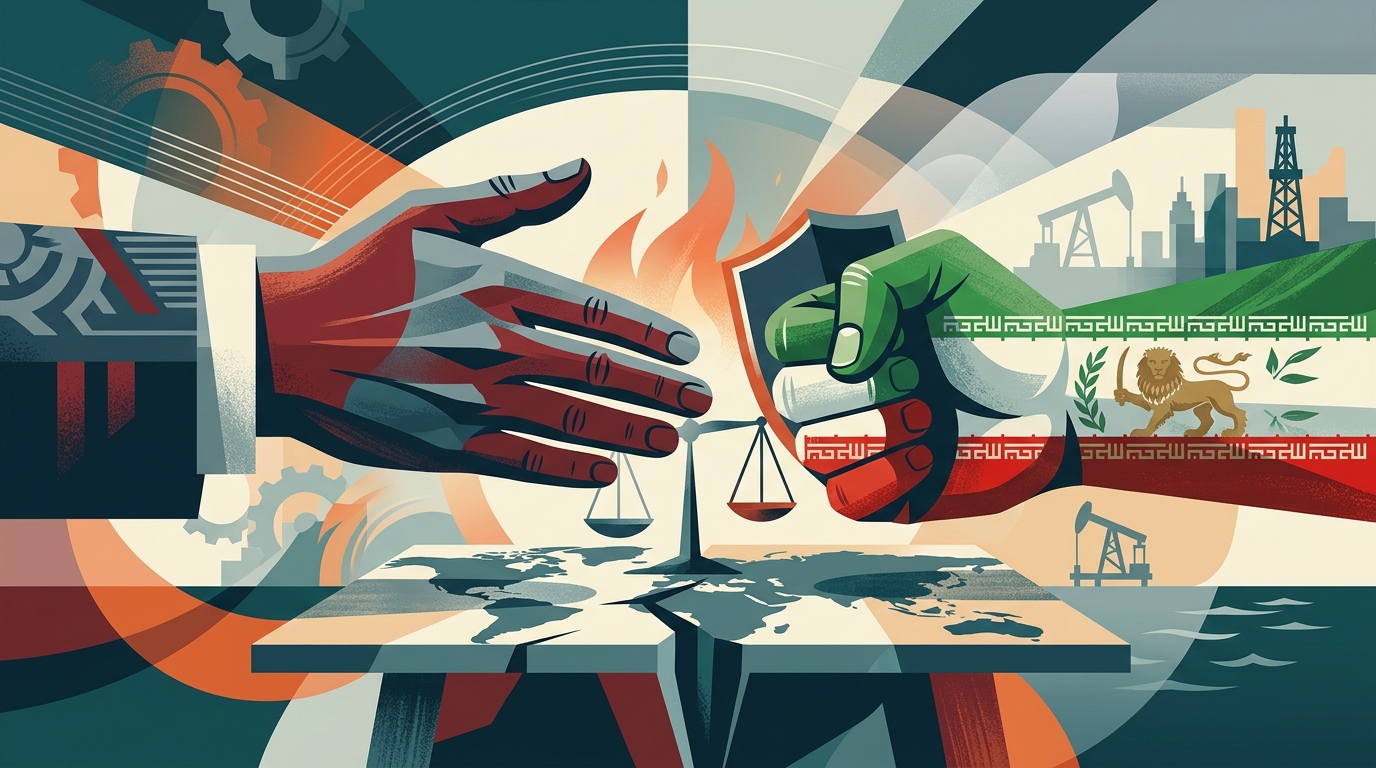
Violations and mutual accusations between Tehran and Washington are not new, but the recent escalation seemed as if it would blow up the de-escalation efforts and end the memorandum of understanding between the two countries, especially since US President Donald Trump expressed his dissatisfaction with the negotiation process and with the Iranians, describing them as 'sick'.
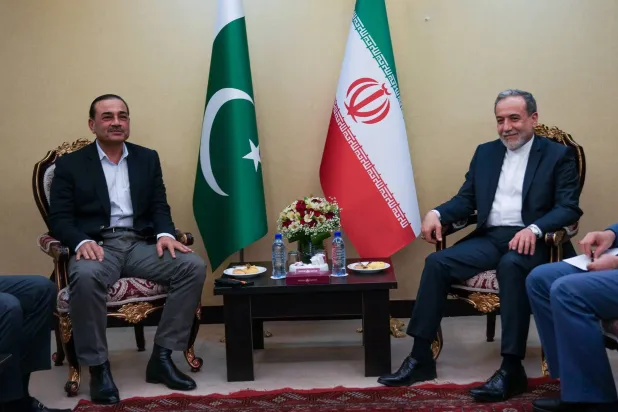
These developments naturally disturbed Pakistan, which has been mediating between the two sides since last April, and hosted the first public, direct high-level meeting between the United States and Iran since 1979. The Pakistani Foreign Ministry called on both sides to exercise restraint and resolve differences through dialogue after the recent escalation, but this statement was only a headline for efforts taking place behind the scenes. Sources close to diplomatic and military channels confirm that Pakistani Army Chief General Asim Munir contacted Iranian Foreign Minister Abbas Araghchi and discussed with him the latest developments.
Continuing the Pakistani approach of secrecy during the negotiation process, sources did not reveal much about the content of the call between Munir and Araghchi, except that it comes in the context of Pakistani efforts to defuse the crisis. It is likely that the Pakistani army chief, who is handling the negotiations, also contacted US officials, but such contacts were not disclosed to the media. No media outlet in recent months reported any contacts between Asim Munir and US Vice President JD Vance, but the latter revealed during their recent meeting that Munir might have been someone he spoke with recently.
In any case, the atmosphere in Pakistani political corridors is worried about the escalation of conflict again between Washington and Tehran, especially as recent months have taught mediators about constant fluctuations, and the prevailing belief there remains that mediators will succeed again in bringing the two parties back to the negotiating table and resuming talks.
A subtle complaint
Despite this positivity in dealing with sensitive developments in Islamabad, there is something that annoys Pakistani officials: the feeling that the mediators are more eager for de-escalation than the warring parties themselves, as if they do not realize the cost of continuing the conflict.
Islamabad understands that the price of war will be heavy on the Iranian people first, then on the peoples of the region second, and on the global economy as well, along with the risks to Pakistan's national security, which hosts the largest Shia population after Iran. But the Iranian reading of the scene and the repercussions of war seems completely different, as the Iranians gamble again and again with the return of war in order to demonstrate the ability to withstand attacks and the ability to respond effectively to them for the regime in Tehran.
Read more
Pakistan's weight in the balance of mediation between America and Iran
Have the conditions for mediation between Israel and Iran matured?
Islamabad bets on neutrality in the conflict of the big powers
Pakistan's trade corridor to Iran... Does it expose Islamabad to sanctions?
The politicization of the Strait of Hormuz is a continuation of this Iranian approach, as Tehran does not want to give up the most influential card in its hand, which has proven its efficiency during war more than Iran's traditional sources of power such as its proxies, missile stockpiles, and others. Therefore, Tehran wants to fully exploit this card and prove that it is the one that controls the strait, even if that comes at the cost of the return of bombing and war.
Terrorism preoccupies Pakistan
Away from the challenges Pakistan faces in the negotiation process, there are obstacles that also occupy it related to the security situation in Pakistan. The past week was one of the bloodiest recently, as several cities in Balochistan province were subjected to terrorist attacks.
The official spokesperson for the Pakistani army, Major General Ahmed Sharif, announced that operations are still ongoing in parts of the province, while reports indicate internet blackouts in several areas. Prime Minister Shehbaz Sharif and the army chief visited Quetta, the administrative center of Balochistan, where they discussed ways to counter the ongoing terrorist operations in the province.
According to a statement by the Pakistani army, at least 42 civilians and security personnel were killed in separate incidents in Balochistan over the past week. In one of these attacks, rebels kidnapped about 20 members of the Balochistan police after seizing their station, took them to unknown areas, and then executed them all.
Balochistan represents a serious security challenge for the Pakistani authorities, who have failed to contain the population despite the use of excessive force, complete media blackout, and monopolization of the political process. As a result, rights demands there have turned into an armed separatist monster that is difficult to control.
With Pakistani military officials busy with the Balochistan file, the US-Iranian negotiation file (also handled by the military leadership) has been pushed to the back burner for now. The mediators are preoccupied with restoring internal security rather than attempting to restore global stability.
Original source: Independent Arabia

Comments (0)
Be the first to comment.