In first visit since 2009, Guterres to meet al-Sharaa in Syria this week
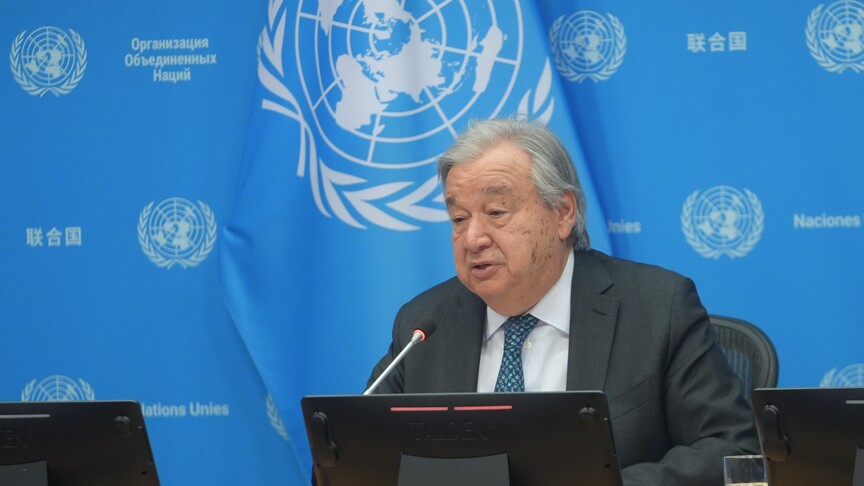
UN Secretary-General visits Damascus at government invitation, meets officials and civil society representatives before inspecting UNDOF force..
Istanbul / Anadolu
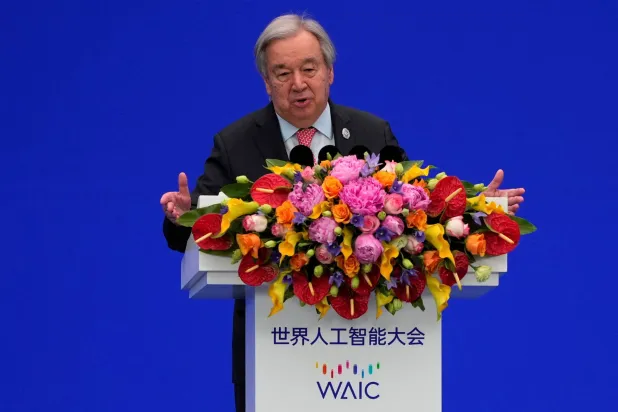
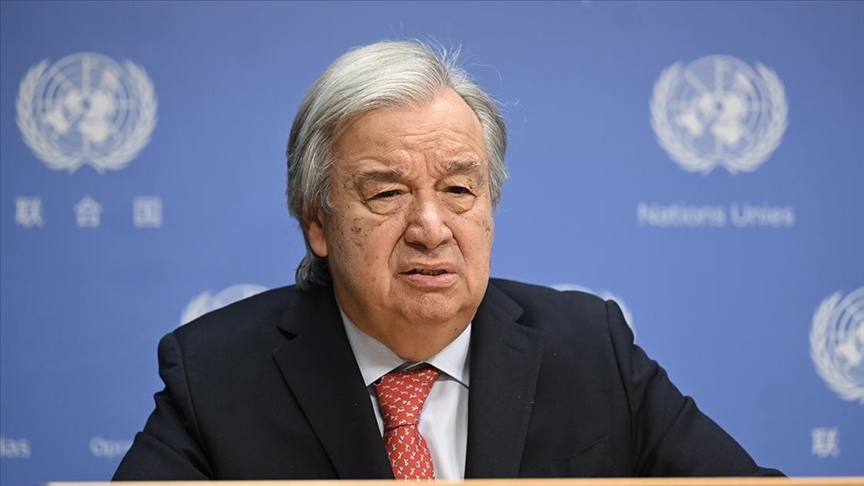
United Nations Secretary-General Antonio Guterres will travel to Syria later this week, in the first visit by a UN chief to the country since 2009.
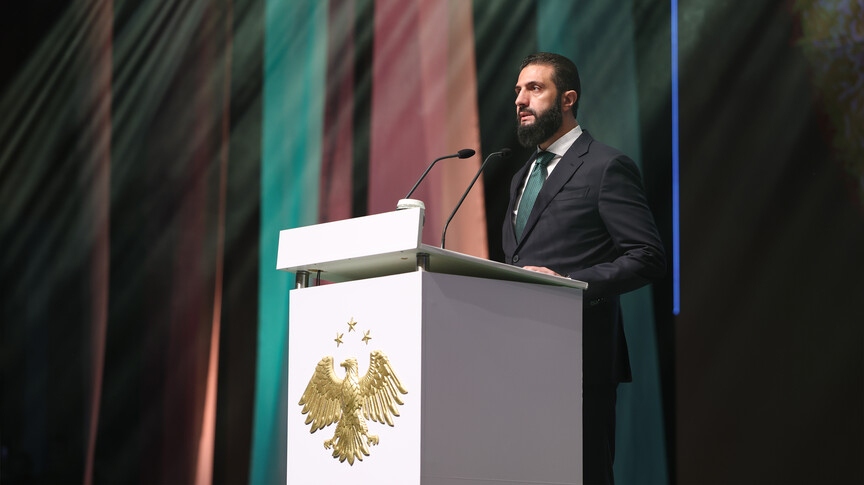
UN spokesman Stephane Dujarric said on Tuesday that Guterres will visit Syria this week at the invitation of its government, and will meet in Damascus President Ahmad al-Sharaa and a number of officials, including Foreign Minister Asaad al-Shaibani.
Dujarric did not specify a date for the visit.
The last UN secretary-general to visit Syria was Ban Ki-moon in 2009, giving Guterres' upcoming visit political significance amid the transitional phase the country has been undergoing since the fall of Bashar al-Assad's regime in December 2024.
Regarding the program of the upcoming visit, Dujarric indicated that Guterres, during his stay in Syria, will renew the UN's commitment to supporting the Syrian government and people at this stage, and will stress the need to respect Syria's sovereignty, unity, independence, and territorial integrity.
The secretary-general is expected to be briefed by Syrian officials on developments in the transitional phase and recovery efforts, as well as the impact of years of conflict. He will also meet representatives of civil society and non-governmental organizations concerned with women's issues and various components of Syrian society, according to the same source.
Guterres also intends to visit the United Nations Disengagement Observer Force (UNDOF), deployed in the buffer zone in the Syrian Golan.
The Security Council established UNDOF on May 31, 1974, under Resolution 350, to monitor the ceasefire and supervise the implementation of the disengagement agreement between Syria and Israel.
The disengagement agreement signed the same day stipulated the creation of a buffer zone between Syrian and Israeli forces, and the designation of areas subject to restrictions on forces and armaments on both sides.
The agreement ended the state of fighting and attrition on the Syrian front following the October 1973 war, and UNDOF has since been tasked with monitoring the ceasefire and implementing its provisions.
Following the fall of Bashar al-Assad's regime on December 8, 2024, Israeli Prime Minister Benjamin Netanyahu declared that the disengagement agreement had 'collapsed' and ordered the military to occupy the buffer zone and other Syrian positions, including the Syrian side of Mount Hermon.
Since then, Israeli forces have carried out repeated incursions into southern Syria, while the UN continues to demand that Israel adhere to the 1974 agreement and respect Syria's sovereignty and territorial integrity.
Original source: Anadolu Agency

Comments (0)
Be the first to comment.