Director of Ibrahimi Mosque: Israel Prevents Call to Prayer for Tenth Day
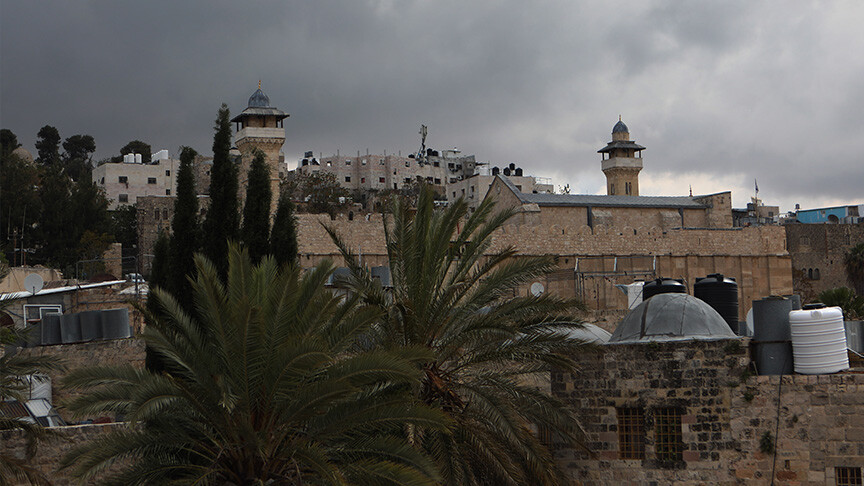
Abu Sunaina stated to Anadolu: 'Today is the tenth consecutive day that the call to prayer has been prevented in the mosque' in the city of Hebron, south of the occupied West Bank. | Anadolu
HEBRON, West Bank / Qais Abu Samra / Anadolu
**Moataz Abu Sunaina to Anadolu:**
- Occupation authorities have prevented the muezzin for 10 days from raising the call to prayer, under the pretext of ongoing roofing work in the sanctuary courtyard.
- The occupation has brought iron pillars and bars and is installing them in the roof of the Ibrahimi Mosque.
- The Ibrahimi Mosque is a purely Islamic mosque, and the occupation is trying to Judaize it and impose its control over it.
Moataz Abu Sunaina, director of the Ibrahimi Mosque, said on Tuesday that Israeli occupation authorities have prevented the muezzin for ten days from raising the call to prayer under the pretext of ongoing roofing work in the sanctuary courtyard.
Abu Sunaina explained in statements to Anadolu: 'Today is the tenth consecutive day that the call to prayer is prevented in the mosque' in the city of Hebron, south of the occupied West Bank.
He pointed out that the Israeli authorities prevent the muezzin from reaching the call-to-prayer room, under the pretext of ongoing roofing work in the Ibrahimi Mosque courtyard, where 'Israeli machinery and work teams are carrying out work inside the mosque.'
Abu Sunaina added that 'the occupation has brought iron pillars and bars and is working to install them in the roof of the Ibrahimi Mosque.'
He noted that these works 'come within the framework of the occupation's decision to withdraw the powers of the Hebron municipality regarding the Ibrahimi Mosque, including the mosque and the old city.'
He affirmed that 'the Ibrahimi Mosque is a purely Islamic mosque, but the occupation from time to time tries to Judaize the place, impose its control over it, and change the reality and features of the sanctuary through these attacks and violations.'
Recently, Israeli authorities withdrew the powers of the Hebron municipality regarding the management and regulation of some works in the Ibrahimi Mosque and transferred them to the so-called 'Religious Council' affiliated with the 'Kiryat Arba' settlement.
Palestinian authorities rejected this Israeli step and considered it an attack on the historical and legal status of the Ibrahimi Mosque.
The mosque is located in the old city of Hebron, which is under Israeli control, where about 400 settlers live, guarded by approximately 1,500 Israeli soldiers.
In 1994, the mosque was divided into 63% for Jews and 37% for Muslims, following a massacre carried out by a Jewish settler that killed 29 Palestinian worshippers.
The mosque used to be fully open to Muslims on specific religious occasions, including Eid al-Fitr and Eid al-Adha, but that has faced increasing restrictions in recent years.
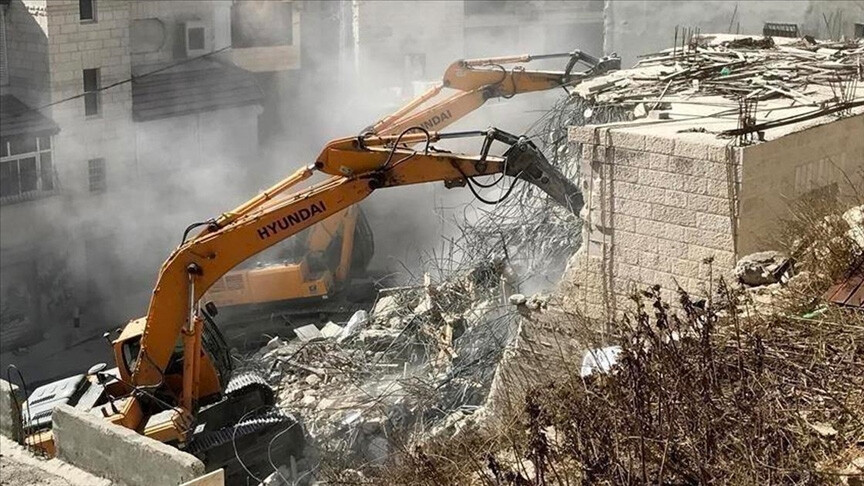
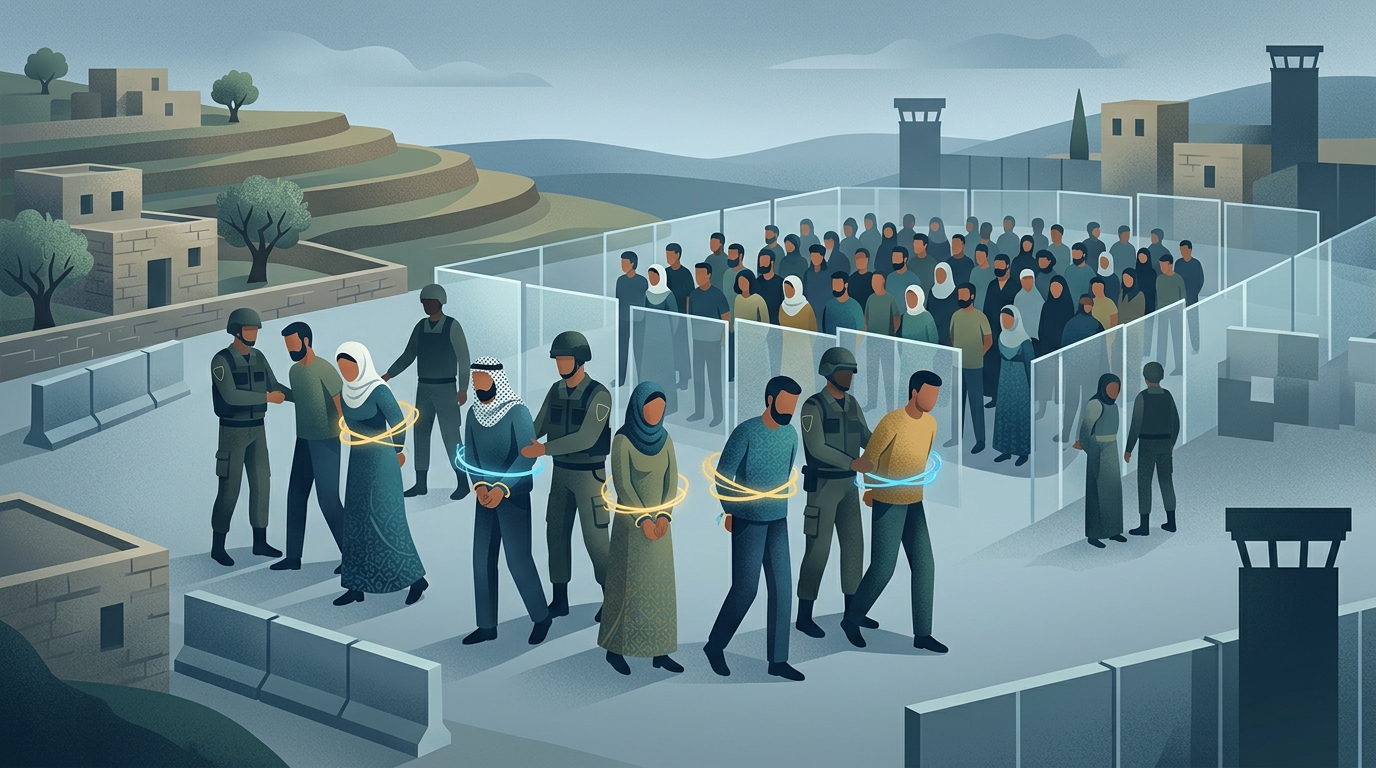
The targeting of the Ibrahimi Mosque comes within Israeli attacks on Palestinians and their property in the West Bank, including killing, arrest, displacement, demolition of structures and homes, bulldozing of agricultural land, and settlement expansion.
Palestinians warn that these attacks pave the way for Israel to formally annex the West Bank, meaning the end of the possibility of establishing a Palestinian state as stipulated in relevant UN resolutions.
In 1948, Israel was established on lands occupied by armed Zionist organizations, leading to the displacement of hundreds of thousands of Palestinians. It then occupied the rest of the Palestinian territories in 1967 and continues to refuse to withdraw from them or allow the establishment of an independent Palestinian state.
Original source: Anadolu Agency


Comments (0)
Be the first to comment.