European-Gulf Rejection of 'Any Claims of Sovereignty or Control' over Strait of Hormuz
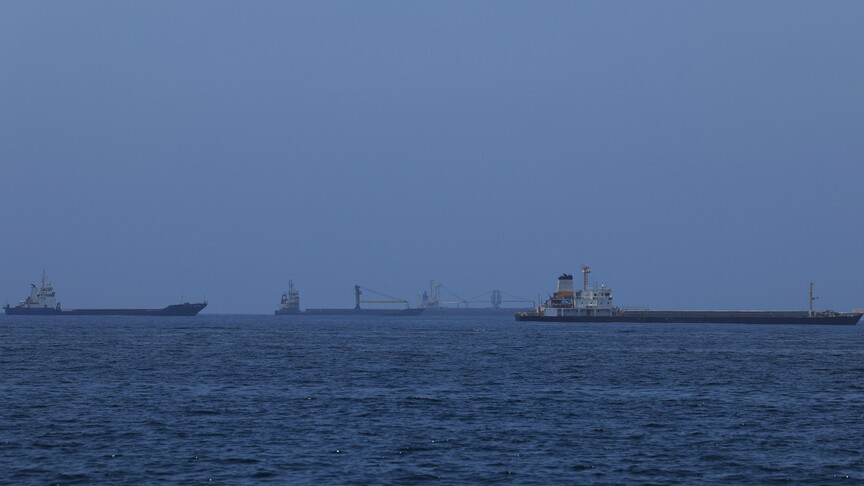
In a joint statement by Kaja Kallas, the High Representative of the European Union, and Abdullatif Al Zayani, Bahrain's Foreign Minister in his capacity as Chairman of the Ministerial Council of the Gulf Cooperation Council
Istanbul / Anadolu
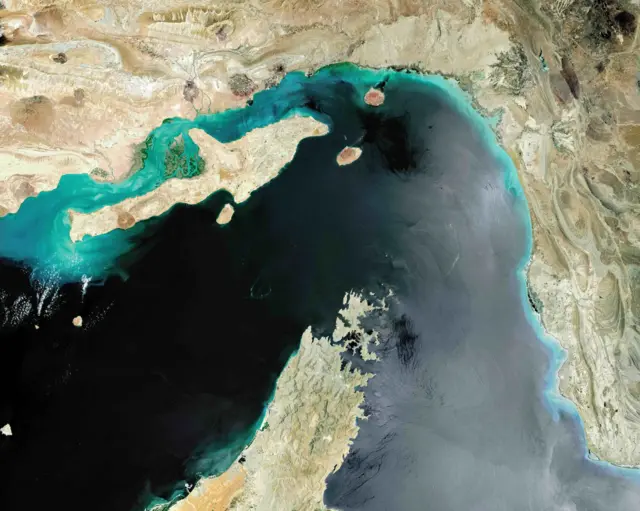
The European Union and the Gulf Cooperation Council on Saturday expressed their rejection of 'any claims of sovereignty or control' over the Strait of Hormuz, and condemned Iranian attacks in the strait and against countries in the region.
In a joint statement, the EU and GCC stressed their opposition to the imposition of any permit system, transit fees, or service charges on international navigation.
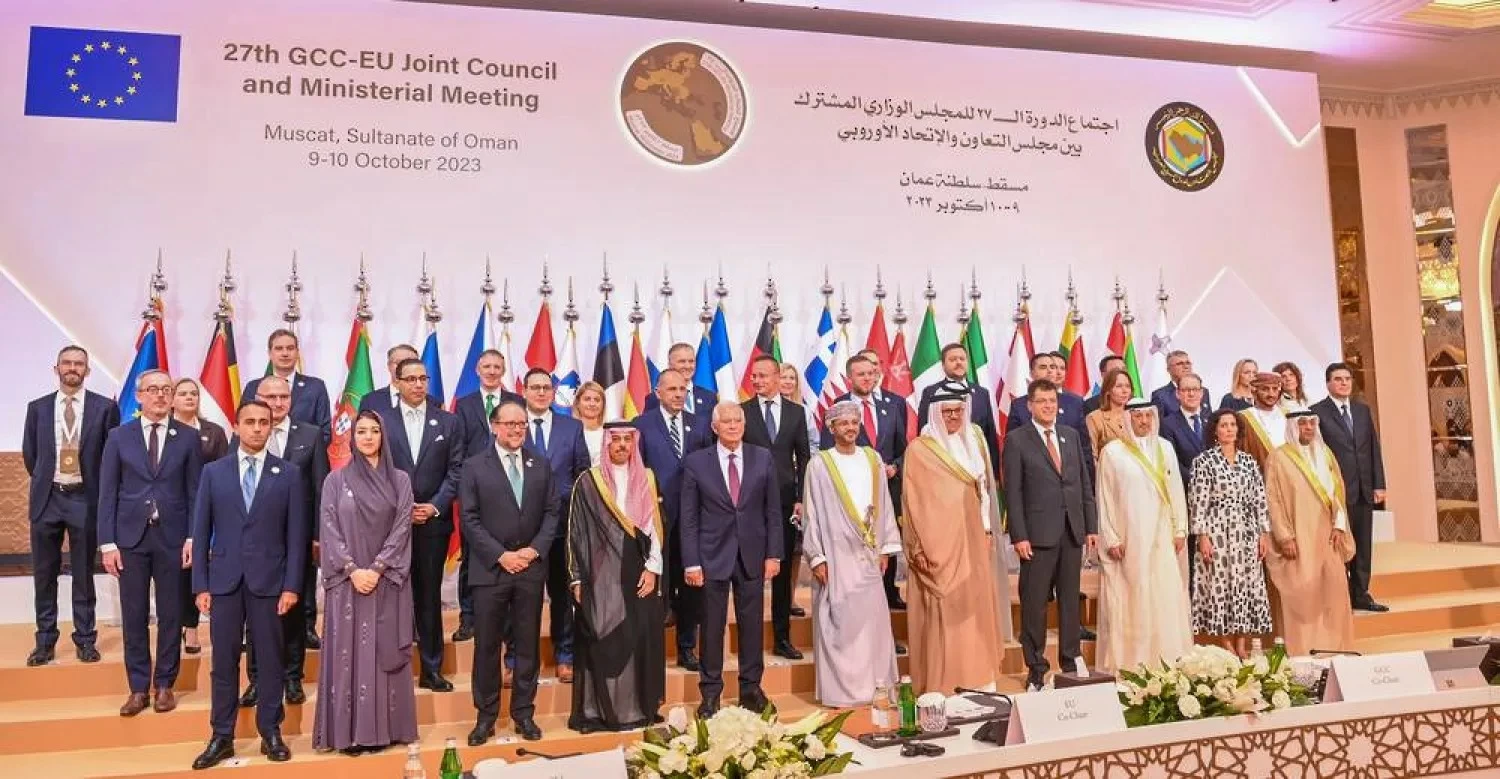
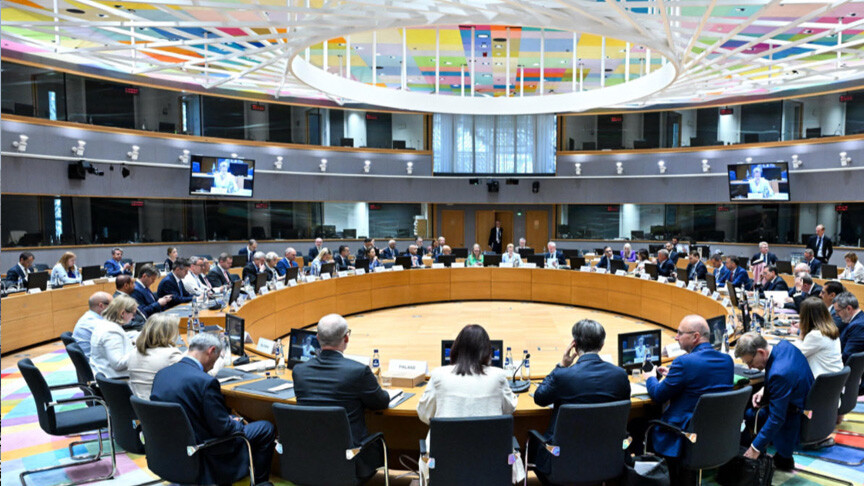
This came in a joint statement issued by Kaja Kallas, the High Representative of the European Union, and Abdullatif Al Zayani, Bahrain's Foreign Minister in his capacity as Chairman of the Ministerial Council of the GCC, published by the Bahrain News Agency on Saturday evening.
The statement affirmed that freedom of navigation, including the right of passage through the Strait of Hormuz, is guaranteed under international law.
It stressed that ships of all nations enjoy these rights, and no state may suspend, obstruct, or subject them to any conditions.
The statement condemned in the strongest terms the attacks carried out by Iran against commercial vessels transiting the Strait of Hormuz, and against the sovereign territories of countries in the region, including Bahrain, Kuwait, the United Arab Emirates, Qatar, Oman, and Jordan.
It said: 'These attacks endangered the lives of civilians and sailors, and violated international law,' describing them as acts 'that cannot be justified under any circumstances.'
The statement expressed rejection of 'any claims of sovereignty or control over the Strait of Hormuz by any state,' considering them 'illegitimate.'
The two sides opposed the imposition of any permit system, transit fees, or service charges on international navigation.
The statement continued: 'No bilateral arrangement, understanding, or memorandum between states may regulate or unlawfully restrict the right of passage through an international strait, a right guaranteed to all states under international law, and it may not be subject to the control or permission of any state.'
It affirmed full solidarity with the countries affected by these attacks, and with the sailors who were endangered.
The statement stressed that any attack on the security of one state is a matter of concern for all parties.
It called on Iran to immediately and unconditionally cease all attacks and all forms of interference in maritime navigation, to keep the Strait of Hormuz sustainably open without any conditions, transit fees, or service charges, and to fully comply with international law.
The joint European-Gulf statement affirmed rejection of the imposition of any unilateral or unlawful mechanism or arrangement affecting the safety of passage through the strait.
It added: 'The European Union and the Gulf Cooperation Council will continue close coordination to preserve freedom of navigation.'
The statement called for restraint and for resolving the crisis through dialogue and diplomacy.
On June 18, 2026, Washington and Tehran signed a memorandum of understanding that included a cessation of military operations, and began negotiations mediated by Pakistan and Qatar.
However, US President Donald Trump announced on July 8 that the ceasefire had ended following renewed escalation in the Strait of Hormuz.
The United States subsequently resumed launching strikes inside Iran, while Tehran responded with attacks targeting US bases and positions in the region.
The US Central Command (CENTCOM) says its operations aim to undermine Iranian military capabilities and sites that pose an imminent threat.
Original source: Anadolu Agency

Comments (0)
Be the first to comment.