Game of Chicken

Abdul Rahman Al-Turairi
Game of Chicken
July 12, 2026 - 00:02 | Last update July 12, 2026 - 00:02
Follow Okaz channel on WhatsApp
There are connected and complex cycles describing US-Iranian relations from 1979 until the moment you read this article, a repeated cycle of coercion, adaptation, escalation, and stalemate. Even at the two most prominent milestones, the 2015 agreement and then the withdrawal from it, which is a connected chain of withdrawal followed by the strikes of summer 2025, reaching the status quo as of February 28, the cycle continued but with a change in the nature of adaptation.
The sanctions led Tehran to develop a 'resistance economy,' which is inherently centered on resisting sanctions, not Israel, and its three pillars, as researcher at the Quincy Center Hadi Khalilzadeh sees, are circumvention, localization, and diversification, with the belief that there are closed doors under sanctions in specific areas such as expanding the civilian aircraft fleet or using foreign expertise in developing oil exploration operations.
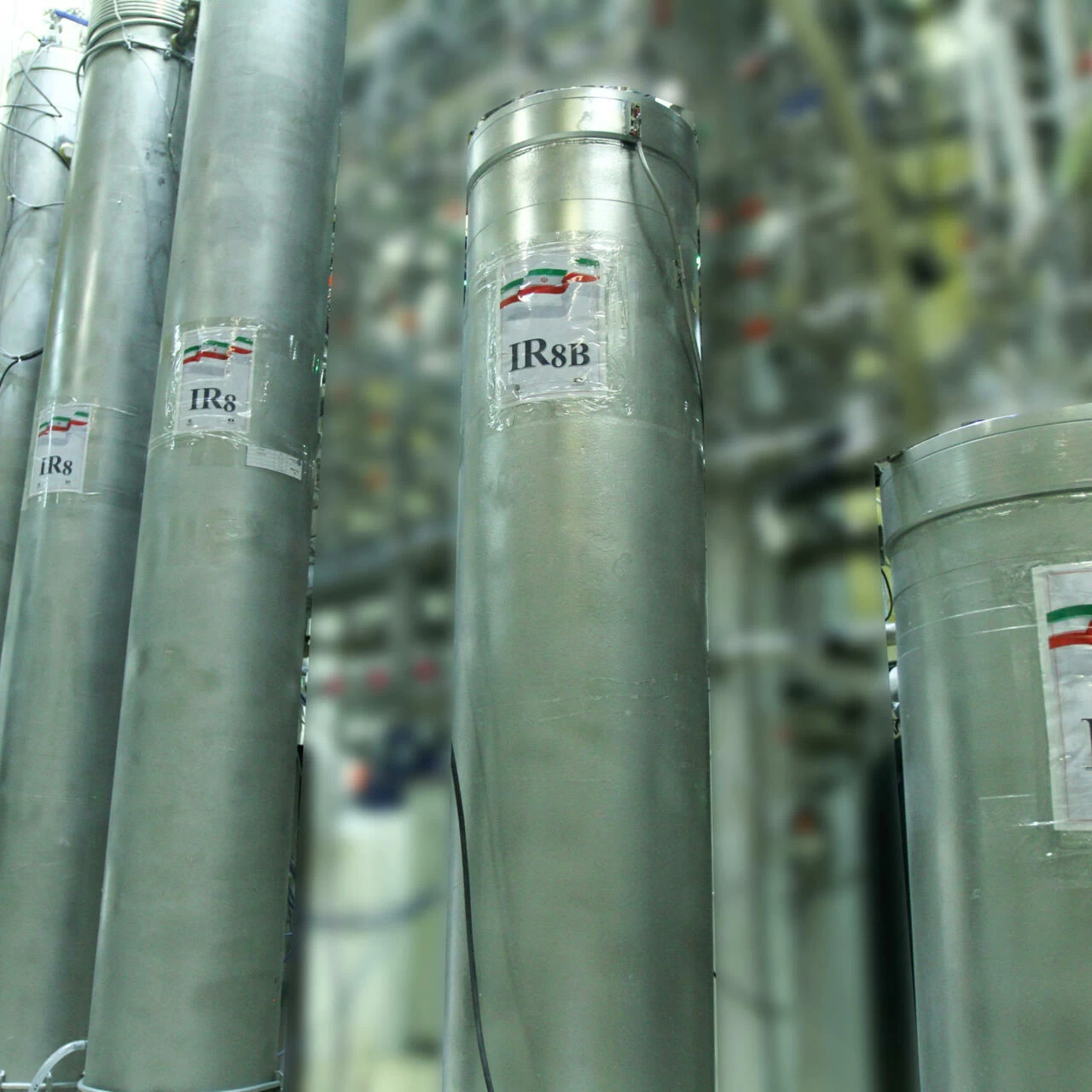
Outside of sanctions, another framework of adaptation emerged, which peaked during the period from 2015 to 2018, when doors opened for money to flow into Iran. Iran, with one hand, handed over enriched uranium, and with the other, delivered bags of dollars to Hezbollah and other proxies, so that the proxies would strengthen to serve as an alternative deterrent to the nuclear option.
Today, questions arise under the title of lack of trust or a negotiation gap. If we look at the negotiation approach, the Iranian, for example, formulated his vision for a memorandum of understanding based on zero trust, and thus placed hurdles at the beginning of the memorandum such as the release of frozen funds first, as if to say: 'Every time we negotiate, I am surprised by your military attacks.' So the demand for a pledge not to attack Iran again is interpreted as 'Give me my money first.'
As for the negotiation gap, it does not exist, but it is more accurate to say what is the existential nerve that each party touches in the other, which appears as a negotiation gap. The three US demands: nuclear, ballistic, and regional proxies, are together considered the achievement of President Trump's goal of reaching a better deal than President Obama's deal. But for the Iranian negotiator, Gaddafi's voluntary surrender of his nuclear program was not received by the West as a gesture of good faith but as paving the way to overthrow his regime.
Even the Strait of Hormuz, whose management appears urgent for Iran and a gain it does not want to give up at all, granting it control and the ability to economically influence Gulf states, and the shift from the region's military model during the Shah's era to the military of the strait today, may seem like a high-noise topic today in terms of its global impact. But by analyzing the Iranian negotiator's methodology, I believe it is a negotiation tactic to ensure the final agreement comes out without any restrictions on ballistic missiles as a main deterrent tool for a country that does not have an advanced air force.
Among the tactics historically used by the Iranian is portraying the idea of the bazaar and the carpet maker who can be patient until he gets the best result from negotiations, and endure hardships for that. Today, both parties have prepared to show that they do not care about time. America used time deadlines as a pressure tool, and used negotiations with its hand on the conflict as another tool, and it has what we know of pressures through the midterm elections and others.
But patience on Iran's part today is more costly than ever. The economy is eroding rapidly and dramatically, and poverty rates have multiplied significantly. Thus patience is very costly internally, and any return to a blockade of Iranian ports again would represent a free fall to deeper lows. Hence, what both parties brandish about their ability to be patient is not accurate for either of them.
Architectonically, and with a conscious design that is not without unconscious aspects, the two parties are heading toward the natural middle ground of any negotiations: some gains here, some concessions there. Dropping the issues of missiles, proxies, and a settlement in Lebanon was a deliberate choice to ensure immediate regional stability and to ripen the memorandum of understanding. This is an engineering of the middle ground based on postponing what cannot be resolved and fixing what can be fixed.
Both parties realize that they are developing the shape of negotiations to resemble the game of chicken, where two cars drive toward each other at speed; whoever swerves is a chicken, and whoever continues collides with the other car, thus both parties are harmed.
Original source: Okaz


Comments (0)
Be the first to comment.