Gaza: 1,000 Days of Israeli Genocide (Timeline)
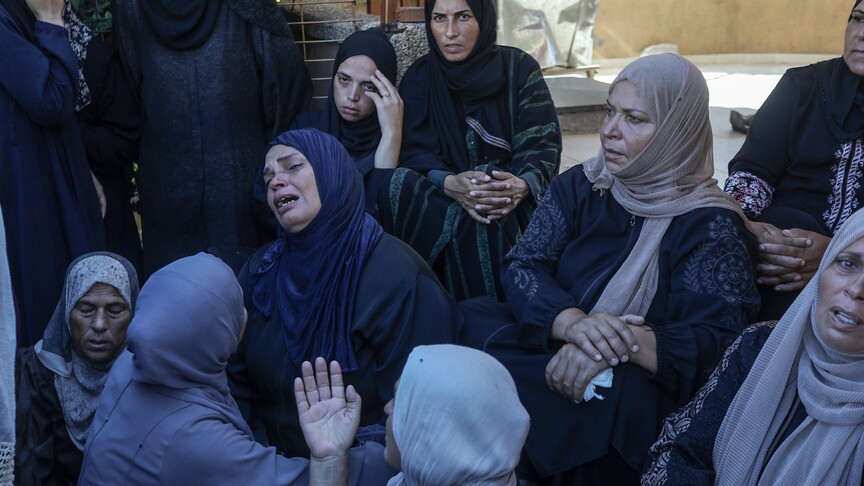
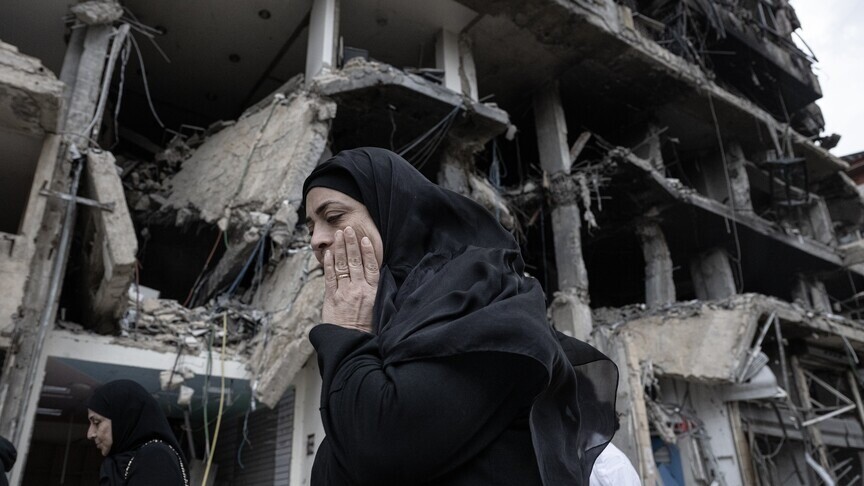
The Israeli genocide war in the Gaza Strip has reached its 1,000th day since its start on October 8, 2023, amid an unprecedented humanitarian catastrophe and massive destruction affecting all aspects of life.
Nour Mahd Ali Abuaisha
02 July 2026 • Update: 02 July 2026
GAZZE
Istanbul / Anadolu Agency
Key events in 2023: the start of the genocide, a major ground invasion with mass displacement, and a temporary humanitarian truce in November
The year 2024 saw the expansion of military operations, worsening famine, measures from the International Court of Justice, arrest warrants for Netanyahu and Gallant, the assassination of Haniyeh, and the killing of Sinwar.
In 2025, famine was declared in Gaza City, the first ceasefire agreement took effect in October, a prisoner exchange was conducted, and the army repositioned along new deployment lines.
In 2026, Israel escalated violations of the ceasefire, expanded its occupation to 70 percent of the Strip, assassinated more Hamas military leaders, reopened the Rafah crossing on a limited basis with strict restrictions, and announced the formation of new structures to administer Gaza.
The Israeli genocide war in the Gaza Strip has reached its 1,000th day since its start on October 8, 2023, amid an unprecedented humanitarian catastrophe and massive destruction affecting all aspects of life.
Despite the ceasefire agreement taking effect on October 10, 2025, Israel continued bombing, demolishing, and shooting in the Strip, expanded its occupation to about 70 percent of its area, and confined Palestinians to an area not exceeding 30 percent.
Over the 1,000 days, the genocide went through military, political, legal, and humanitarian milestones, which Anadolu Agency monitors as follows:
** Year 2023
October 7: In response to Israeli attacks in the occupied West Bank, Al-Aqsa Mosque, and the Israeli blockade on Gaza, Hamas carried out the "Al-Aqsa Flood" operation.
The Israeli army responded on October 8 with initial airstrikes under Operation "Iron Swords," and Prime Minister Benjamin Netanyahu declared Tel Aviv in a "state of war," while closing the Strip's crossings.
October 13: Israel warned Palestinians in Gaza Governorate and the northern Strip, numbering about 1.2 million, to evacuate their homes ahead of bombardment.
October 27: Israel launched a ground operation in the northern governorate, later extending to the central and southern Strip, claiming to eliminate Hamas's military capability.
Early November: The Israeli army established the Netzarim Corridor to separate the northern and southern Strip, partially withdrawing under the January 2025 ceasefire agreement while remaining near the eastern areas parallel to Salah al-Din Street.
November 17: The United Nations Relief and Works Agency for Palestine Refugees (UNRWA) announced that about 800,000 Palestinians in Gaza and the northern Strip face famine risk due to Israel's prevention of humanitarian aid entry.
November 24: A temporary four-day truce began between Israel and Hamas, mediated by Qatar, Egypt, and the US, later extended by two more days, including a temporary ceasefire, prisoner exchange, and limited aid entry.
December 3: The Israeli army began a ground operation north of Khan Younis, claiming a Hamas command headquarters, ordering the evacuation of neighborhoods previously deemed "safe" and housing displaced persons, before withdrawing on April 7, 2024.
December 29: South Africa filed a lawsuit against Israel at the International Court of Justice for genocide; later joined by 12 countries. In March 2024, the court issued provisional measures to prevent genocide and improve the humanitarian situation in Gaza, with no final ruling yet.
** Year 2024
January 3: Israel assassinated Saleh al-Arouri, deputy head of Hamas's political bureau, in a strike targeting a house in Beirut.
March 25: The UN Security Council adopted, for the first time, a resolution demanding an immediate ceasefire in Gaza during Ramadan, but Israel did not comply.
May 6: The Israeli army announced a military operation in Rafah, southern Strip, ignoring international warnings, and the next day seized the city's crossing, which it still fully occupies.
May 29: The Israeli army announced operational fire control over the Philadelphi Corridor along the Gaza-Egypt border, then imposed full military control on June 7.
May 31: Former US President Joe Biden said Israel had presented a three-phase proposal including a full ceasefire, withdrawal from all areas, prisoner exchange, and reconstruction. Hamas agreed, but Netanyahu backtracked by adding new conditions that derailed the agreement.
June 8: Israel killed 274 Palestinians, including 64 children and 57 women, in a violent strike on the Nuseirat camp in central Gaza, as part of an operation that freed four Israeli captives, drawing widespread condemnation.
June 25: The Integrated Food Security Phase Classification reported that 95 percent of Gaza's Palestinians suffer from varying degrees of food insecurity and famine.
July 31: Israel assassinated former Hamas political bureau chief Ismail Haniyeh in an attack on his residence in Tehran, amid widespread condemnation.
August 6: Hamas announced the selection of its Gaza leader, Yahya Sinwar, as head of its political bureau, succeeding Haniyeh.
August 20: The Israeli army announced the recovery of the bodies of six of its captives in a joint operation with the Shin Bet in Khan Younis.
October 6: The Israeli army announced a military operation in the Jabalia camp in the northern Strip, imposing a strict siege, before withdrawing from parts of it with the start of the January 2025 truce.
October 17: The Israeli army announced the killing of Yahya Sinwar in an armed clash in Rafah.
** Year 2025
January 19: Implementation of a ceasefire agreement between Hamas and Israel began, comprising three phases each lasting 42 days, including the release of 33 Israeli captives in exchange for a number of Palestinian prisoners.
January 30: Al-Qassam Brigades announced the killing of its top commander Mohammed Deif and six members of its military council, including Marwan Issa, deputy chief of staff, during the Israeli genocide war, without revealing details of their assassinations.
March 2: Israel closed all crossings leading to Gaza to humanitarian, relief, medical aid, and goods, worsening the famine.
March 14: US Middle East envoy Steve Witkoff presented a ceasefire proposal, including Hamas releasing five living Israeli captives and handing over bodies of deceased, with ongoing negotiations to extend the deal. Israel claimed acceptance and Hamas rejection, while the movement said the proposal was under study before the genocide war resumed.
March 18: Israel reneged on the ceasefire agreement and resumed the genocide war, despite Hamas's adherence to the deal.
April 11: The Israeli army announced full control over the Morag Corridor between Rafah and Khan Younis.
May 12: Al-Qassam Brigades released Israeli-American soldier Edan Alexander from Gaza, following contacts with Washington as part of efforts for a ceasefire, opening crossings, and humanitarian aid entry, but Washington and Tel Aviv did not follow up with positive steps.
Original source: Anadolu Agency

Comments (0)
Be the first to comment.