Gaza.. Injured and sick demand rescue from 'slow death' and expedited travel
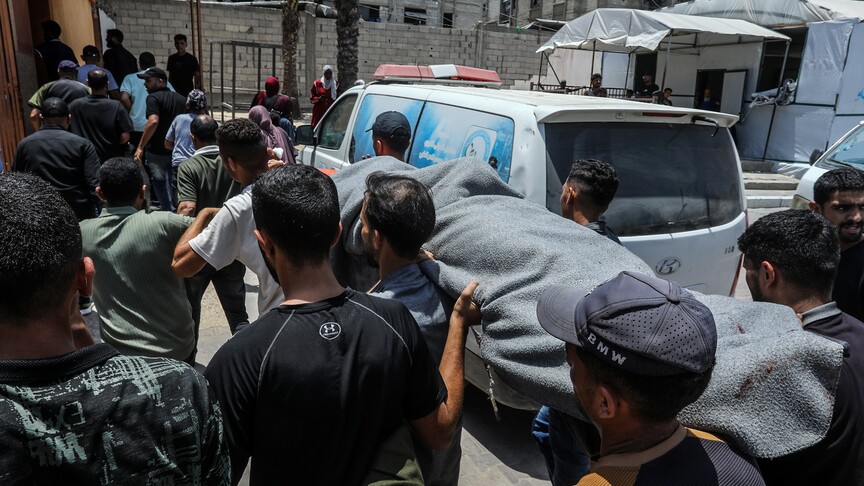
During a vigil they organized in the courtyard of Nasser Hospital in Khan Younis, southern Gaza Strip..
GAZA / Ramzi Mahmoud / Anadolu
Dozens of patients and wounded from the Israeli genocide war on Sunday called on the international community and humanitarian organizations to facilitate their travel for medical treatment outside the Gaza Strip, amid Israeli restrictions hindering their departure.
Dozens of wounded, patients, and their families gathered in the courtyard of Nasser Hospital in Khan Younis, southern Gaza Strip, and sat on the ground during a protest vigil rejecting the slow pace of the medical evacuation mechanism via the Rafah border crossing with Egypt.
Participants raised banners calling for urgent action to save them from 'slow death,' and appealed to the World Health Organization and relevant authorities and institutions to intervene and expedite their travel procedures.
They stressed that long waiting periods threaten to worsen their injuries and illnesses, at a time when the health system in Gaza faces severe challenges due to Israeli obstacles and violations, making medical evacuation a 'matter of life or death' for many.
The Rafah crossing was partially reopened on February 2, 2026, as part of the first phase of the US-sponsored ceasefire agreement, after a closure of about 20 months since the Israeli army seized control of it in May 2024, but its operation remains limited and subject to strict Israeli restrictions.
** Treatment, not a vacation
During the vigil, chants demanding the right to treatment rose, while some women and girls broke down in tears, as relatives of patients surrounded the injured sitting in wheelchairs or leaning on crutches.
The wounded Mohammed Abu Odeh said: 'We came today to send a unified message to the World Health Organization and all authorities responsible for our lives, that we urgently need to travel.'
Abu Odeh added, in an interview with Anadolu: 'We did not ask to travel for a vacation, but for treatment and prosthetic fitting.'
He continued: 'Patients and wounded die every day due to delays in traveling for treatment, given the difficult health situation inside the Strip, posing an imminent threat to our lives.'
** Burdens beyond endurance
For her part, the child Naima Abdel Nabi (13 years old) stood beside her injured father, who is waiting to travel for a prosthetic fitting, and said his inability to work forced her to bear burdens beyond her age, such as securing water and food for her family.
She added, in an interview with Anadolu: 'If my father were in full health or had a prosthetic fitted, he would have taken these burdens off me.'
The child continued, crying bitterly: 'I am tired of this life; instead of being at school, I am bearing this hardship.'
In turn, Palestinian Nisreen Abu Kashef said her wounded daughter, who also has a heart condition, has a referral for treatment abroad, but the family has been unable to travel for over a year and a half due to the limited number of departures.
She noted, in an interview with Anadolu on the sidelines of the vigil, that her husband suffers from vocal cord cancer and can no longer speak, pointing out that his condition is worsening due to the lack of appropriate treatment inside the Strip.
She appealed to 'people with living consciences' to intervene to save the patients and wounded.
As for displaced Sahar Jouda, a widow supporting six children after losing her husband in the war, she explained that her 15-year-old son was shot, resulting in the loss of foot tendons, and he is now unable to walk normally.
She expressed, in her interview with Anadolu, hope that her son can travel for treatment and return to living his life like other children.
She said: 'My child's dream is simple; he wishes to regain his ability to walk and play football with his peers.'
** Obstruction of travel
On July 3, Mohammed Abu Salmiya, director of the Al-Shifa Medical Complex in Gaza City, said that more than 22,000 patients need treatment outside the Gaza Strip, while only about 30 patients are allowed to leave during the irregular openings of the Rafah crossing.
Abu Salmiya, in a previous statement to Anadolu, considered this number 'does not meet the minimum needs.'
He revealed that about 1,500 patients have died while waiting to travel for treatment, while the Strip loses between three and four cancer patients daily, in addition to one or two kidney dialysis patients.
The health sector in Gaza is suffering a severe collapse due to the Israeli genocide war, amid the destruction of hospitals and health facilities, and an acute shortage of medicines, medical supplies, and fuel.
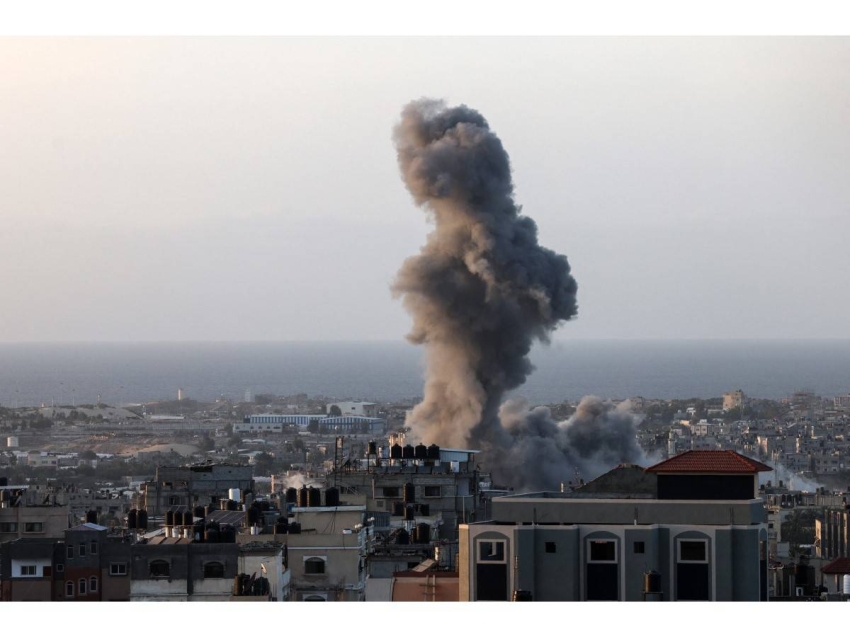
Despite the ceasefire agreement coming into effect in October 2025, Israel continues its violations through shelling and blockade, exacerbating the humanitarian and health crisis in the Gaza Strip.
Israel also reneged on its commitments regarding the entry of equipment and medical supplies necessary for the recovery of the health sector in Gaza, despite this being stipulated in the ceasefire agreement.
Original source: Anadolu Agency


Comments (0)
Be the first to comment.