Hamas names Khalil al-Hayya as new leader after run-off with Khaled Meshaal

Al-Hayya was previously one of the five-member leadership council after previous Hamas chief Yahya Sinwar was killed.

This article was first published on 20 Jul 202620 Jul 2026.
Hamas, the Islamist group that governs Gaza, has been rebuilding its leadership after a series of Israeli strikes in 2024 decimated its top echelons.
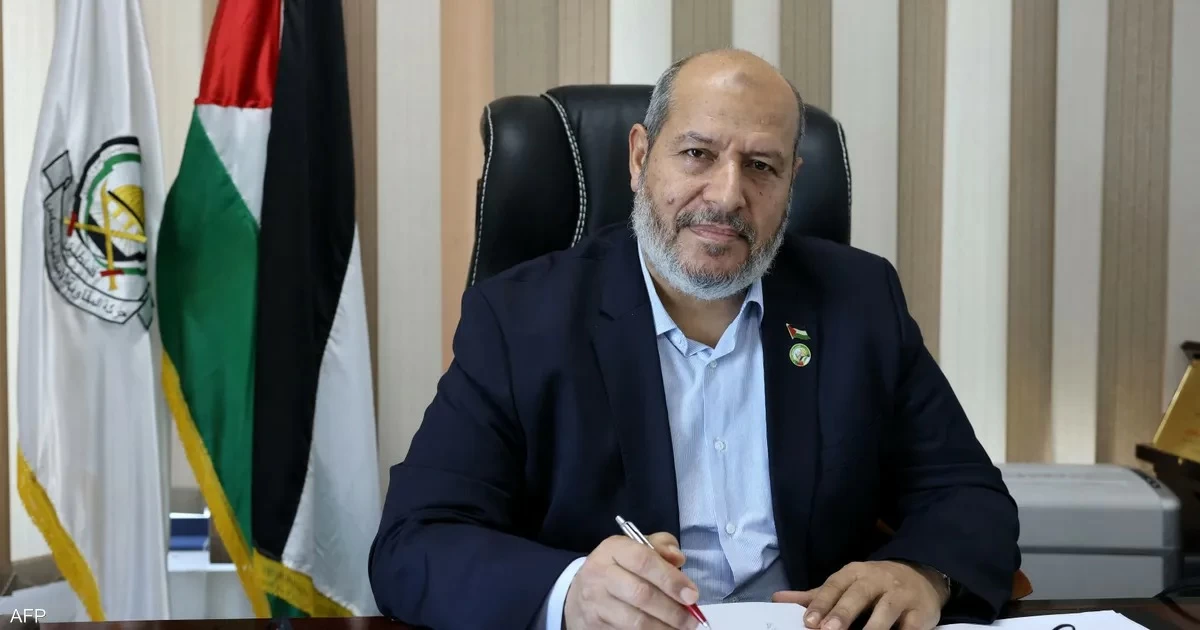
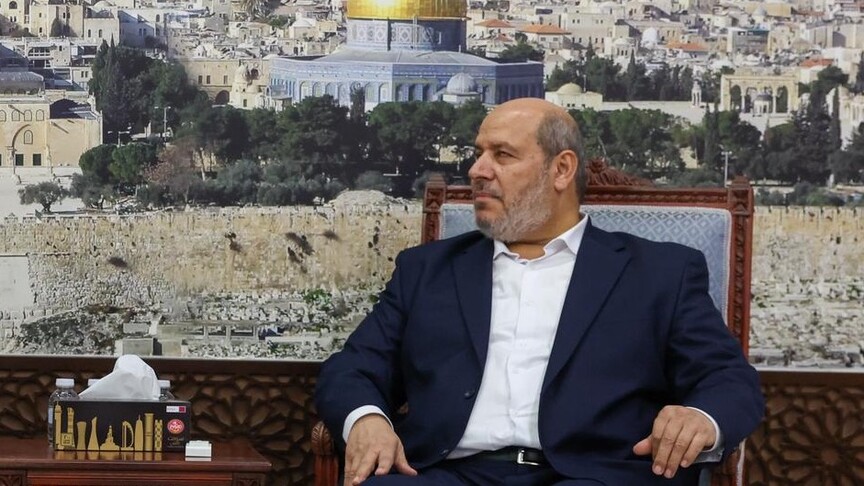
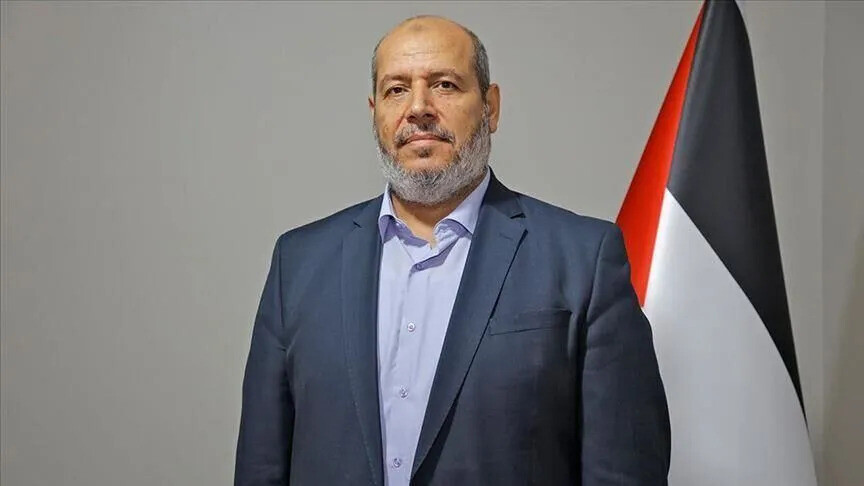
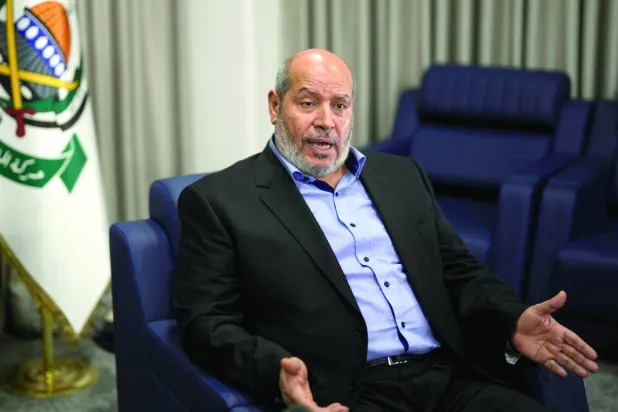
Hamas has appointed Khalil al-Hayya as its new leader, taking over from Yahya Sinwar, who was killed by Israeli forces in October 2024.
Al-Hayya, a former deputy chairman of the Palestinian group and one of five members of its leadership council, won an internal ballot in a run-off against former political leader Khaled Meshaal, Hamas said in a statement on Monday.
Recommended Stories
list of 3 items
- list 1 of 3Hamas says Israeli violations ‘threaten viability’ of Gaza ceasefire deal
- list 2 of 3Son of top Hamas official killed in Israeli attack on Gaza
- list 3 of 3One killed in Gaza as Turkish FM talks peace efforts with Hamas official
end of list
Al-Hayya's influence grew following the 2024 deaths of senior Hamas leaders Sinwar, military chief Mohammed Deif in Gaza, and Ismail Haniyeh, who was assassinated in Tehran that same year.
With those losses, al-Hayya became one of five leaders steering Hamas’s leadership council, the temporary, five-member ruling committee formed in late 2024 to govern Gaza during Israel’s genocidal war.
He was the Hamas chief negotiator when a ceasefire agreement was reached with Israel in October 2025. The deal has failed to bring an end to frequent deadly Israeli attacks in Gaza.
Al-Hayya himself has been the target of at least two assassination attempts by Israeli forces.
“Israel has not officially reacted to this election but he is described in Israel as ‘a hawk’, as someone who is closer to Iran than the Arab governments, than even Turkey. Of course, this may shed some light on how things will move forward,” Al Jazeera’s Nour Odeh reported from near Ramallah in the occupied West Bank.
“This is an election process that is very intricate. It has taken months for the various layers of election in Hamas to conclude in the West Bank, in Gaza, in Israeli prisons and in the diaspora, all culminating in this moment,” she said.
Born in the Gaza Strip in 1960, al-Hayya has been part of Hamas since it was established in 1987. He was elected to the parliament of the Palestinian Authority in 2006.
He became especially important on the diplomatic front, based mainly in Qatar, which emerged as the main hub for mediation with other countries, including Israel, Egypt, and the United States.
Operating outside Gaza allowed him to travel and coordinate between neighbouring countries without the constraints of the Israeli blockade on Gaza. Al-Hayya has also led Hamas’s delegations in mediated talks with Israel to try to secure a Gaza ceasefire deal.
Al-Hayya’s family has suffered as a result of Israeli attacks. Four of his children have been killed by Israeli attacks over the years. During the 2014 war, an Israeli strike destroyed the house of his eldest son, Osama, who was killed along with his wife, and three of their children.
In September last year, an Israeli attack on a residential complex in central Doha, Qatar, killed five people including his son Humam.
Al-Hayya's election underscores Hamas's ability to maintain organizational continuity despite heavy losses. His reputation as a hardliner closer to Iran than to regional Arab states may influence the group's future stance in ceasefire negotiations and regional alliances. The deadly Israeli attacks that have persisted since the 2025 ceasefire highlight the fragility of the deal and the challenges ahead for the new leader.
Original source: Al Jazeera


Comments (0)
Be the first to comment.