How Will the Disappearance of the Border with Spain Change the Lives of Gibraltar's Residents?
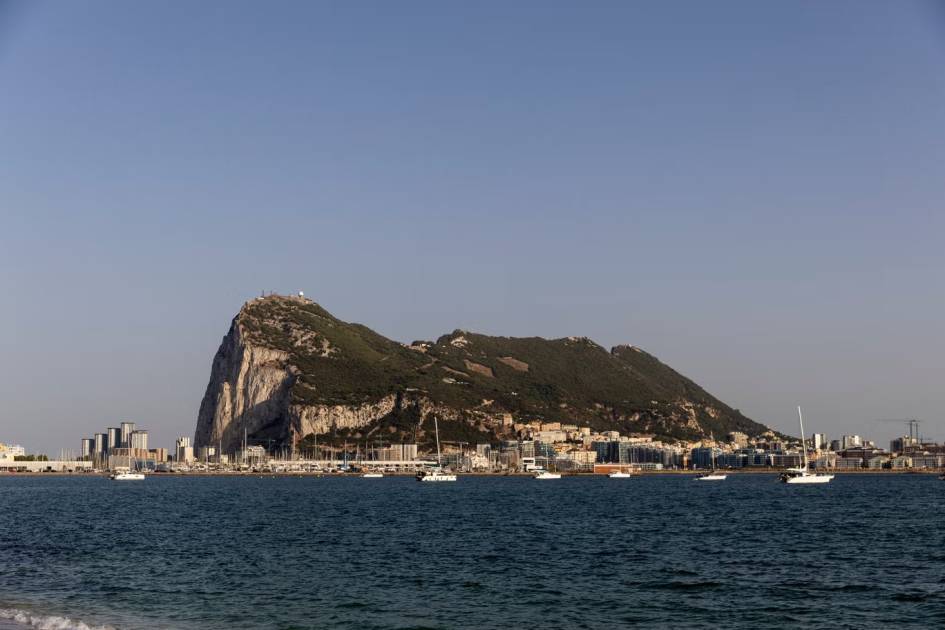
Summary: The removal of the land border opens up greater freedom of movement and integration with Europe for Gibraltar's residents, and gives tourism and businesses new opportunities after years of Brexit fallout. But the change raises fears of higher taxes, prices, and crime, a decline in the local British character, as well as increased Spanish influence and rising housing costs.
When the land border separating Gibraltar from Europe disappears forever, a new fleet of London black cabs and freshly painted red telephone boxes will appear there.
This may be an attempt by the Gibraltar government to assert its British identity, at a time when the territory is growing closer to Brussels.
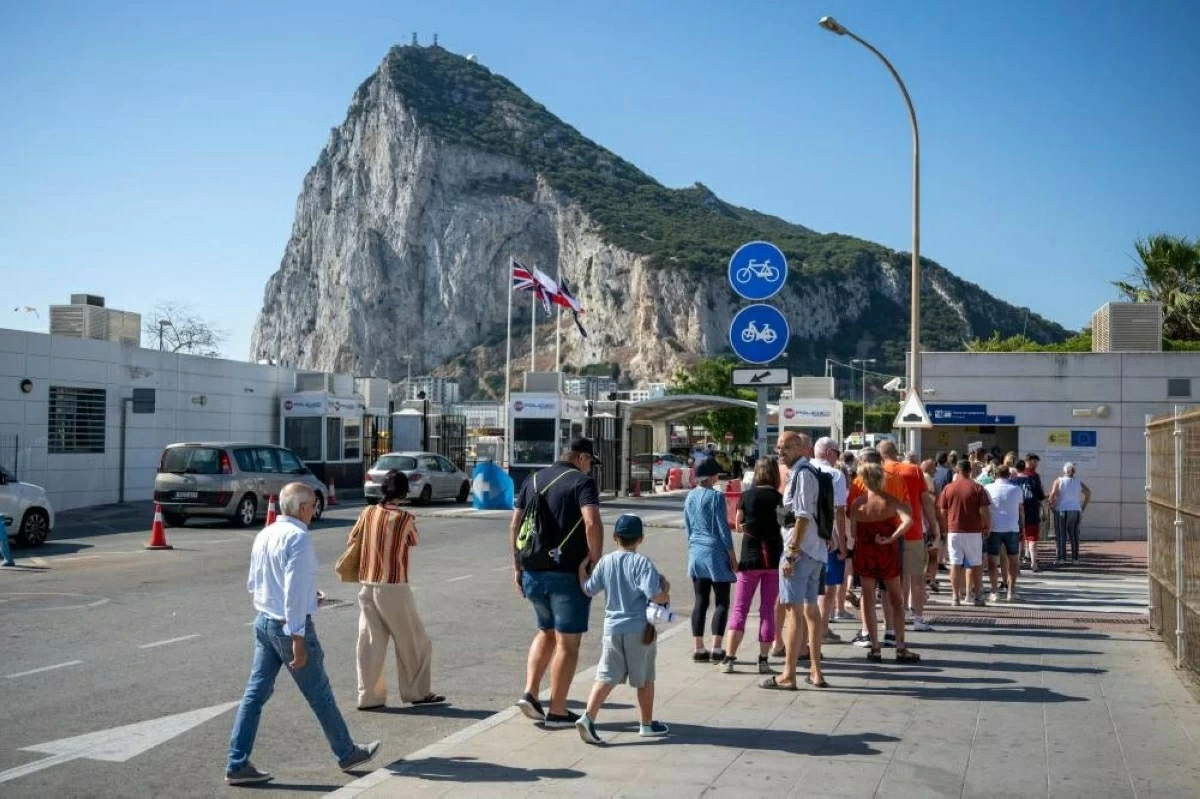
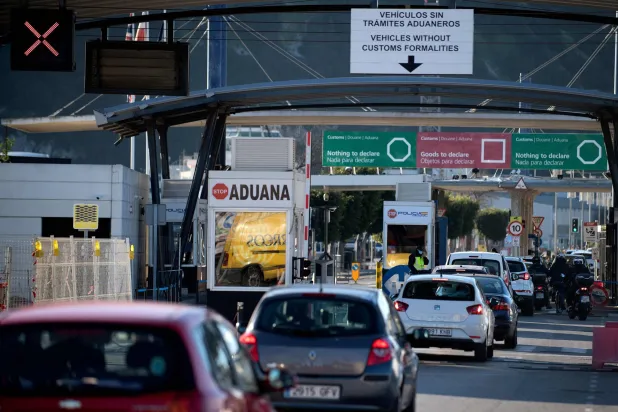
In the biggest change since Spain ceded Gibraltar to Britain more than 300 years ago, on July 15 the land border that separated Gibraltar from its geographic neighbor will disappear, under a post-Brexit agreement.
Gibraltar is famous for its Barbary macaques and British bobbies, and for its residents' fierce resistance to Spanish attempts to reclaim their tiny territory, no bigger than a matchbox. Its 40,000 residents are expected to find it easier to travel around Europe after losing freedom of movement following Britain's vote to leave the EU a decade ago.
Officially, they will still be subject to the 90-day limit, but with no border controls on the land border with Spain, it is unclear how this condition will be enforced, and locals believe implementation will be practically impossible.
So, will this tiny patch at the southern tip of Spain, known for its attachment to Britain, become just another part of continental Europe? To some extent, as many in Gibraltar say.
The Rock of Gibraltar appears in the background of the picture amid border removal works between Spain and Gibraltar (AFP/Getty)
At Roy's Fish and Chips, Roland Walker, son of the restaurant's owner who shares its name, expresses confidence that closer ties with Europe will benefit the most famous British dish.
"At the moment, it's mostly British and Americans who come to us for fish and chips, not many Spanish. Maybe if more visitors come when the border opens, it will be good for business," he says.
When the land border is removed, a new transaction tax will come into effect in Gibraltar. Instead of current import duties ranging from 0 to 12 percent, importers will have to pay a flat rate of 15 percent, which they can pass on to customers through higher prices or absorb themselves.
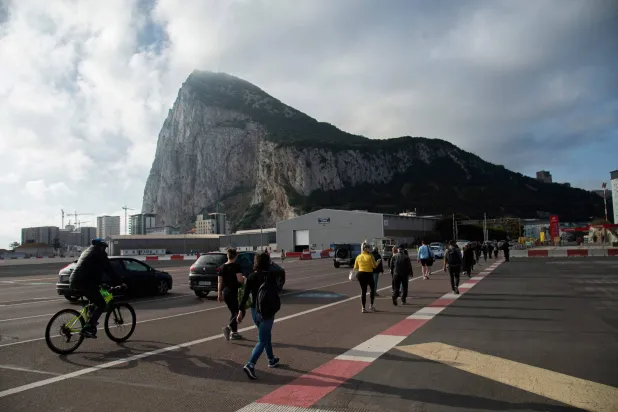
Gibraltar residents will gain freedom of movement throughout the Schengen Area (AP)
Walker is not discouraged, saying: "Yes, we will have to pay more taxes, but we have to wait and see how things go. I think it's a good step; the only other option was a hard border, which would have been a disaster."
However, some Gibraltar residents, like Mike Nichols, feel the changes will bring both the positives and negatives of continental Europe.
Nichols, CEO of real estate company Chestertons, says: "I feel we will become more integrated into the European community, and we will be able to enter Spain quite easily. It will be a bit strange and a completely new experience, and there will be many activities available to one. That's good; we enjoy the benefits of Europe, a low-tax economy, and British traditions."
He adds: "On the other hand, we have long enjoyed a low-crime society because we live in a closed enclave with no exit. But now, undesirable people, those we don't want among us, may find it easier to enter. Here we don't always have to lock our doors because our community is very tight-knit."
New red telephone boxes will appear in Gibraltar, in what may be an attempt by the Gibraltar government to assert its British identity (AFP/Getty)
Nichols adds that the alternative was a closed border, which is unthinkable.
He continues: "Closing the border means businesses leave, and we become just a sunny version of the Falkland Islands."
For his part, Brian Reyes, editor-in-chief of the local newspaper Gibraltar Chronicle, believes many do not realize that Gibraltar is not just an outpost of a mini England in the Mediterranean.
He says: "We will still eat fish and chips, but we must remember we are not English; we are a British-Mediterranean mix."
Gibraltar residents will have freedom of movement throughout the Schengen Area, and will officially be subject to the 90-day rule, though it is hard to see how it can be enforced.
The owner of Roy's Fish and Chips is confident that closer ties with Europe will only benefit the most famous British dish (Getty)
Gibraltar's population is a diverse mix of nationalities and religions, with English, Scottish, and Irish living alongside Maltese and Genoese, as well as Jews and Muslims.
The language Llanito, a blend of English, Spanish, and other Mediterranean languages spoken only in Gibraltar, is another example of the place's unique character.
When Reyes speaks, he starts his sentence in English and finishes it in Spanish.
He notes that people naturally feel some anxiety about this radical change, but a general optimism prevails.
He continues: "People are naturally worried about how things will change, and they are concerned about security. This will be a huge change, especially for shop owners on the main shopping streets, as they will have to pay new taxes."
He adds: "But there is also a quiet optimism about the future, though we must remember that the alternative, imposing a hard border, would have made things very bad."
Read more
A Decade After Brexit, Will the EU Open Its Doors to Britain Again?
Demolishing Europe's Last Wall: A Historic Agreement Between Spain and Gibraltar
Spain to Share Sovereignty Over Gibraltar with Britain After 312 Years
Britain Voted for Brexit... But It Didn't Vote for This Chaos
Imperial News Agents, a newsagent's shop that includes the model shop 'Model Den' for enthusiasts building models of Spitfires or Lancasters, opened in 1919.
The new tax may force the shop owners to raise prices, and customers might choose to buy cheaper models on the Spanish side of the border, where prices are lower.
Owen Smith, head of the Gibraltar Federation of Small Businesses, said more European companies, such as Zara, may begin to invade the main shopping streets.
Smith said: "I think there is a possibility we could lose some of our British retail experience. I know there are concerted efforts to prevent that, because that's what makes Gibraltar special."
Crossing from Gibraltar to southern Spain (AFP/Getty)
He added: "Gibraltar has been somewhat insulated from many of the challenges facing main shopping streets in the UK; it has many locally owned businesses and fewer chain stores, and maintaining that uniqueness is one of the challenges."
Original source: Independent Arabia



Comments (0)
Be the first to comment.