Hunger Worsens in Houthi Areas... Ports Lose $1.4 Billion
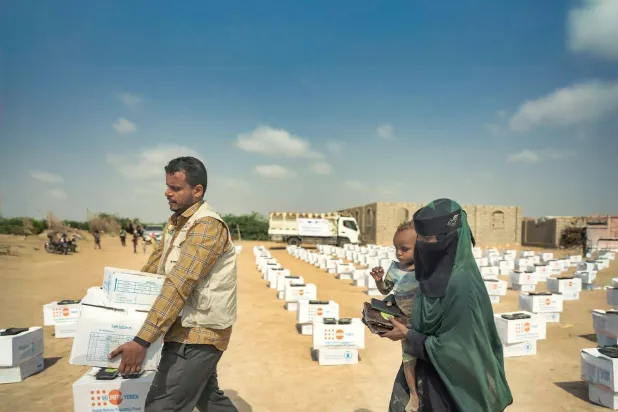
A UN report warned of worsening food insecurity in Yemen as prices rise and incomes decline, especially in Houthi-controlled areas, estimating losses of Red Sea ports at about $1.4 billion.
A joint report by the World Food Programme (WFP) and the Food and Agriculture Organization (FAO) warned of repercussions of the worsening food security crisis in Yemen last May, recording higher severity indicators in areas controlled by the Houthi group due to declining incomes and rising food prices, alongside shrinking humanitarian activity and deteriorating economic conditions, while losses of Red Sea ports under the group's control were estimated at about $1.4 billion.
The report stated that 62% of Yemeni households faced difficulties meeting their food needs last May, compared to 59% in the previous April, while the rate of 'severe food deprivation' rose to 36% from 31% in the previous month, continuing a deterioration trend for the second consecutive month.
The report explained that about 10% of households in Houthi-controlled areas were forced to spend a full day and night without food due to food shortages, compared to 8% of households in areas under the internationally recognized Yemeni government.
Although the rate of inadequate food consumption was 27% in Houthi-controlled areas compared to 36% in government areas, the report warned that continued economic pressures and declining humanitarian activity could push hunger levels in the group's areas to more dangerous levels in the coming months.
WFP reduces number of beneficiaries to 1.7 million Yemenis (local media)
The report attributed the worsening crisis in Houthi areas to a rise in prices of basic food commodities by up to 13% since last February, affected by global price increases and higher shipping and marine insurance costs, while 70% of residents in those areas confirmed a decline in their monthly incomes.
It noted that this decline in incomes, coupled with rising prices, eroded the purchasing power of Yemeni families, driving many to adopt harsh coping measures, including reducing the number of daily meals, cutting food portions, and adults reducing their food intake in favor of children.
The report stressed that the crisis is no longer only linked to rising food prices but reflects broader economic pressures including depletion of foreign exchange reserves, liquidity crisis, sanctions, relocation of banks from Sanaa to Aden, and slowing economic activity.
Houthis deprive millions of Yemenis of life-saving aid (local media)
It added that the deterioration of capacities of Red Sea ports under Houthi control led to losses estimated at about $1.4 billion, while the group's authorities intensified collection campaigns and asset confiscation, further eroding residents' income sources and undermining their livelihoods.
The report also warned that repercussions of the closure of the Strait of Hormuz further complicated Yemen's fuel crisis, with declining supplies and higher import costs, which it considered a greater disruption than the Red Sea crisis last year, due to its direct impact on fuel prices and basic services.
Millions threatened
The UN report projected that at least 5.4 million people in government-controlled areas would face acute levels of food insecurity from last June to next September, due to the coincidence of the lean season with floods, alongside continued decline in humanitarian response.
It noted that the reduction of large-scale food aid programs since 2024 contributed to accelerating the deterioration of conditions, especially in government areas, where the rate of inadequate food consumption rose to 36% compared to 27% in Houthi areas, while the rate of 'severe food deprivation' nearly doubled in government areas during the same period.
Hodeidah port suffered significant damage and its operational capacity declined (local media)
The report's authors confirmed that Yemen's food security crisis is not due to a shortage of food in markets, but to the weak purchasing power of families, noting that about 75% of the population lives below the poverty line, and many are forced to adopt harsh coping strategies to secure their basic needs.
The report pointed out that the relative stability of the Yemeni rial exchange rate in government areas did not prevent additional pressures on the cost of living after raising the customs dollar rate from 750 to 1,550 rials, along with imposing a 20% customs duty on fuel imports, with warnings that this would affect prices of wheat flour and basic commodities.
It indicated that fuel imports through ports under the Yemeni government decreased in the first five months of this year by 73% compared to the same period last year, and by 60% compared to ports under Houthi control, leading to repeated fuel shortages at filling stations and power outages ranging from 18 to 20 hours daily in some districts, while fuel demand exceeded available quantities by about three times.
Limited improvement
In contrast, the 'Targeted Emergency Food Assistance Program' implemented by WFP in government-controlled areas showed positive results in reducing levels of food deprivation among beneficiaries, despite its scope being reduced due to funding shortages.
The report explained that the program began its first phase in mid-February, after reducing the number of beneficiaries from 3.4 million to just 1.7 million due to funding scarcity.
Monitoring data showed a decline in the rate of 'severe food deprivation' among beneficiaries from 46% to an average of 25% last May, and the rate of inadequate food consumption fell from 75% to 52%, an improvement of 23 percentage points.
Poverty drives people in Sanaa to beg for survival (Asharq Al-Awsat)
Indicators of dietary diversity also improved, as the proportion of beneficiaries consuming four or fewer food groups per week fell from 72% to 56%, while consumption of protein-rich foods rose by about 18 percentage points after including legumes in food rations.
The UN report concluded that maintaining these gains requires additional funding to expand food assistance programs and support nutrition, livelihoods, water, sanitation, and cash transfers to prevent the spread of food insecurity in the most vulnerable areas.
Read also
Original source: Asharq Al-Awsat




Comments (0)
Be the first to comment.