Iranian Parliament Speaker: Implementing Understanding with US Difficult but Possible
International
Iranian Parliament Speaker: Implementing Understanding with US Difficult but Possible
Tehran - Washington - Follow-up
Date of publication: July 5, 2026 23:41 KSA
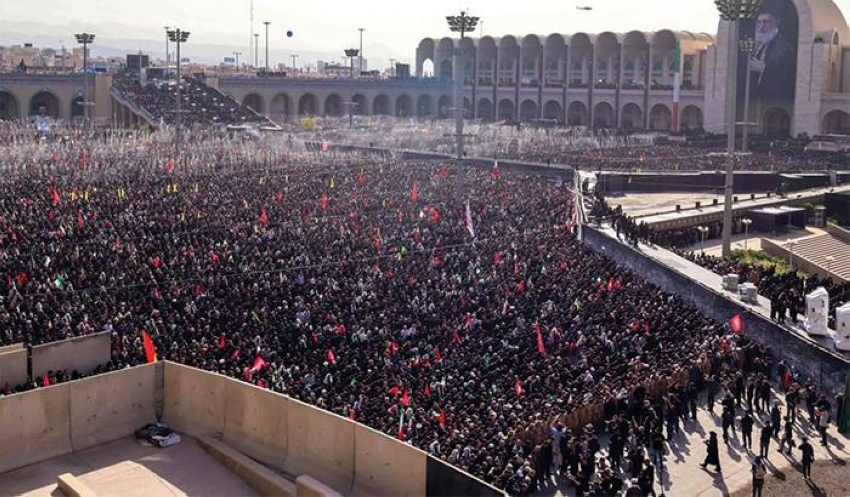
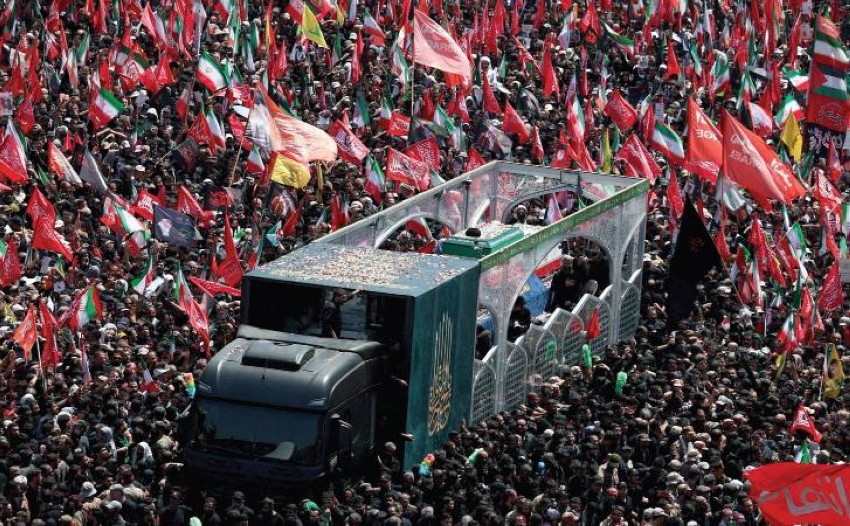
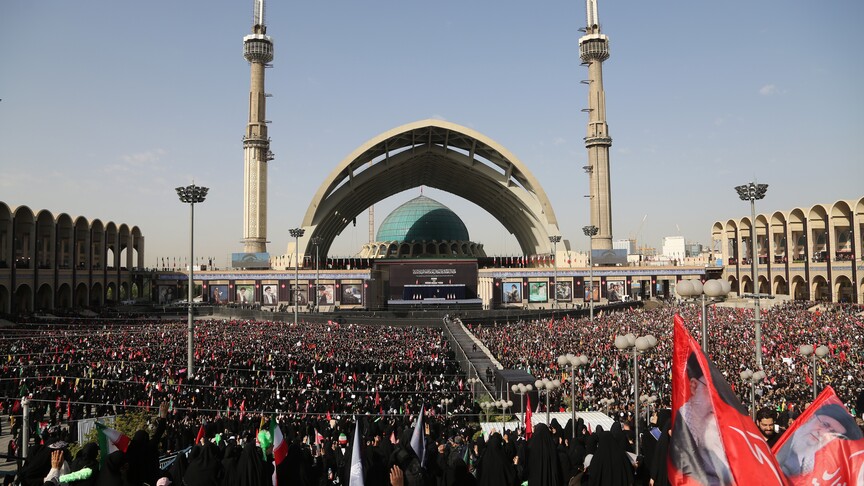
Crowds participate in funeral prayers for Khamenei
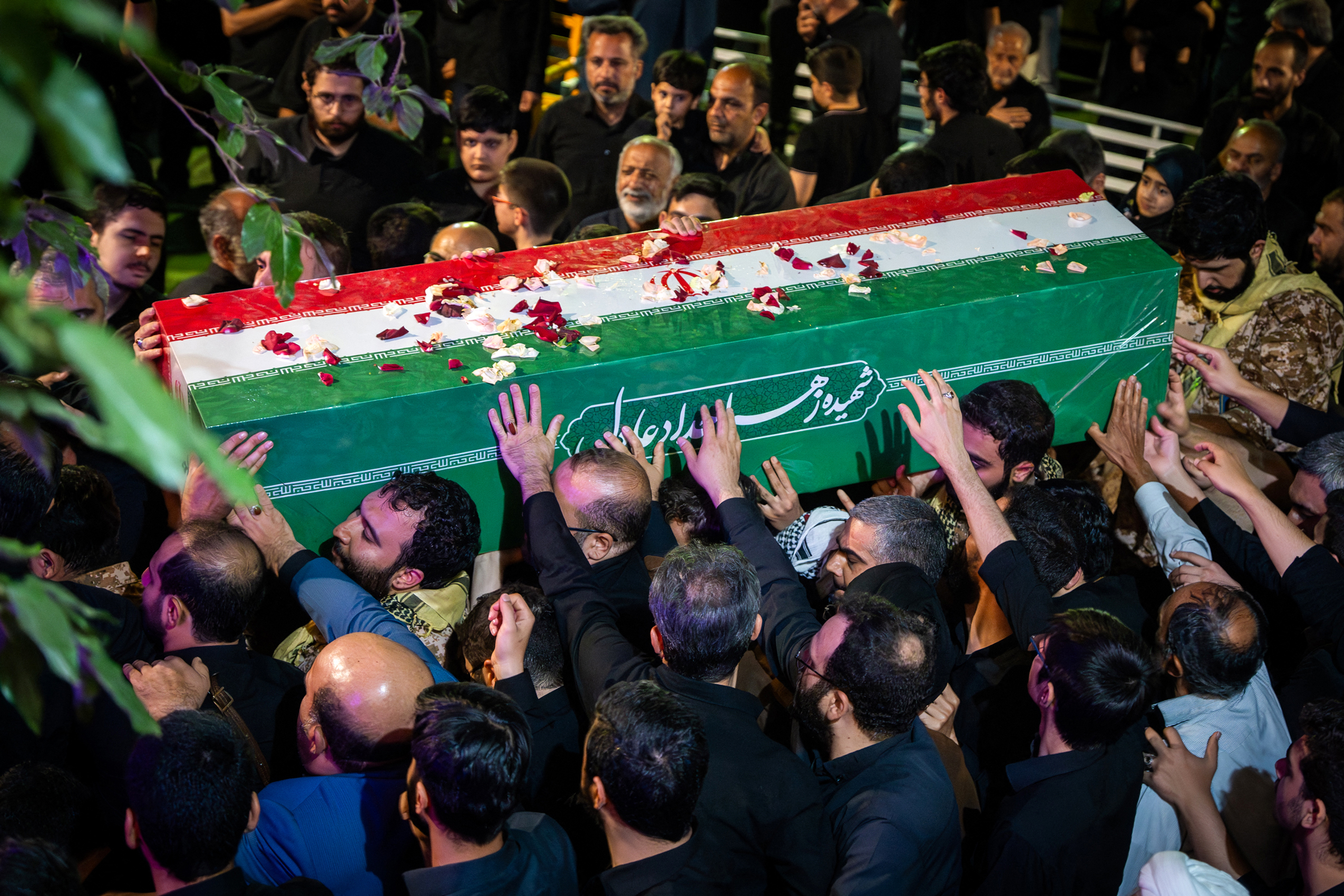
Funeral prayers were held in Tehran yesterday for the late Supreme Leader of Iran, Ali Khamenei, on the second day of his funeral ceremonies, which were attended by large crowds, including three of his sons, while his son Mojtaba Khamenei was absent, who has not appeared since assuming the position as successor to his father.
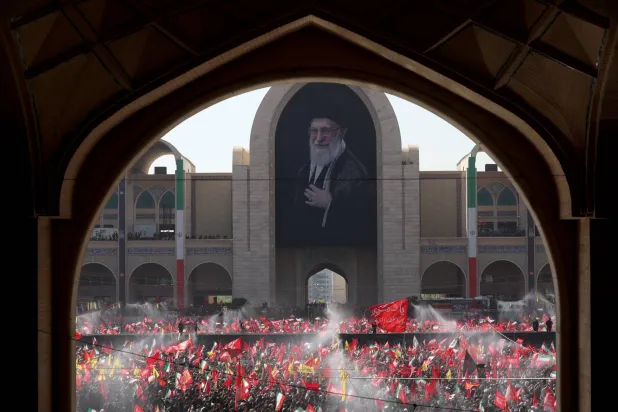
For the second consecutive day, large crowds gathered in the courtyards of the Grand Tehran Prayer Ground and surrounding streets, while Ayatollah Jafar Sobhani (97 years old) led Sunday's funeral prayers for the bodies of Khamenei and four of his family members who were killed with him in US-Israeli strikes on February 28 that sparked war in the Middle East. The funeral and burial ceremonies, which continue until Thursday, come at a pivotal stage for the leadership of the Islamic Republic, which seeks to project a scene reflecting its cohesion and the strength of its popular base after severe challenges including the twelve-day war with Israel in June 2025, popular protests in early 2026, and then the US-Israeli war currently under a ceasefire.
In the front row near Khamenei's coffin, on which his black turban was placed, appeared a number of senior Iranian officials, including President Masoud Pezeshkian and Speaker of the Parliament (Majlis) and chief negotiator Mohammad Baqer Qalibaf, Commander of the Islamic Revolutionary Guard Corps (IRGC) Major General Ahmad Vahidi, and Brigadier General Esmail Qaani, commander of the IRGC Quds Force. Three of the late Supreme Leader's sons also participated in the prayers: Massoud, Mostafa, and Meisam, according to footage broadcast by state television. The most notable family absence was that of the second son, Mojtaba (56 years old), whom officials said was injured during the war. Authorities declared Sunday and Monday public holidays, and say they expect between 15 and 20 million attendees in Tehran alone. After Monday's procession in Tehran, the coffin is to be transferred to the city of Qom, south of the capital, and from there to Iraq, with burial ceremonies scheduled for Thursday in the city of Mashhad, northeastern Iran, Khamenei's birthplace. Meanwhile, Iranian Parliament Speaker Mohammad Baqer Qalibaf yesterday affirmed that 'implementing the understanding with the United States is difficult but possible,' stressing the need to combine diplomacy and defensive readiness to ensure the preservation of field gains. During a meeting with the head of Hamas's political bureau, Qalibaf said that diplomacy must be able to resolve military complexities while preserving and consolidating the fighters' achievements, emphasizing that this will only be achieved if the country is prepared to defend itself in parallel with the negotiation track. He added that 'the Iranian side stressed during the talks with the United States the necessity that any understanding include preserving the territorial integrity of the region's countries and ending the war against Iran's allies in the resistance factions, noting that this clause was included in the text of the understanding.' Qalibaf explained that the implementation of this understanding is currently underway, despite its difficulty, considering that the positions of Islamic governments at the current stage represent an influential factor. He added that these governments have realized that cooperation with the United States and Israel does not guarantee their security, asserting that 'there is no peace between Iran and the United States, and we will not recognize Israel.'
Tehran, Iran
Original source: Al-Madina

Comments (0)
Be the first to comment.