Iran's Ambassador in Beijing: China to Receive Special Privileges in Fees for Services in Strait of Hormuz

Iran's ambassador to Beijing, Abdolreza Rahmani Fazli, announced that China and a number of friendly countries will receive 'special considerations' when determining the level and nature of service fees that Tehran will impose on ships transiting the Strait of Hormuz, emphasizing
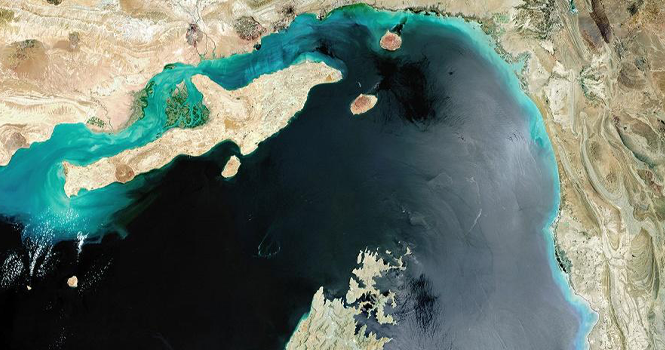
Iran's ambassador to Beijing, Abdolreza Rahmani Fazli, announced that China and a number of friendly countries will receive 'special considerations' when determining the level and nature of service fees that Tehran will impose on ships transiting the Strait of Hormuz, emphasizing that the strait has become a matter of Iranian national security following the four-month-long US-Israeli war.
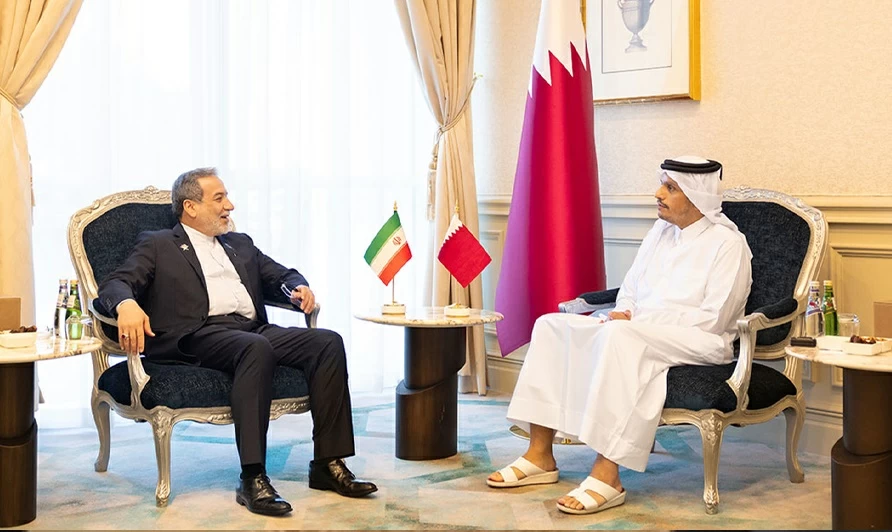
Fazli said during his participation on Saturday in the World Peace Forum in the Chinese capital Beijing that Iran intends to implement new arrangements for managing the Strait of Hormuz in cooperation and coordination with Oman.
Read also: Iran warns Britain and France against interference in the Strait of Hormuz.
He added: 'We will definitely have special considerations for China, because China is a friendly country,' without specifying the nature of these facilities, noting that his country will grant special treatment to countries with which it has friendly relations.
The Iranian ambassador explained that the Strait of Hormuz has turned into a matter related to 'national security' in the aftermath of the US-Israeli war on Iran, which prompted Tehran to reconsider the mechanisms for managing the vital navigational corridor for global energy supplies.
The future management of the Strait of Hormuz is one of the main issues under discussion in the ongoing negotiations to reach a permanent end to the conflict, according to Bloomberg.
Iran had effectively closed the strait with the start of US-Israeli airstrikes in late February, before navigation gradually began to recover following the signing of a temporary peace agreement last month.
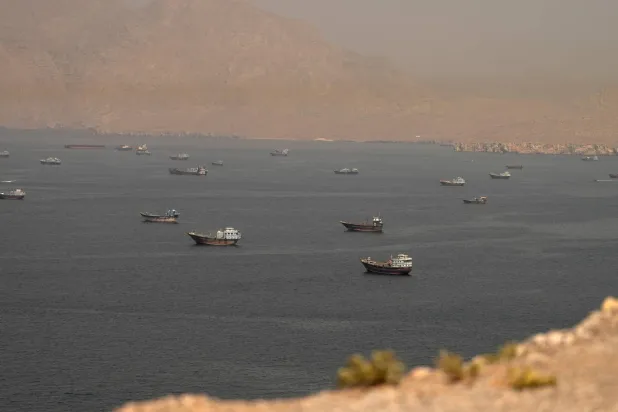
Despite the resumption of maritime traffic, the process of reopening the Strait of Hormuz still faces challenges, as at least eight ships that were trying to leave the Gulf along the Omani coast turned back between Friday and Saturday, in the latest indication of ongoing complications facing navigation in the region.
Original source: Ajel.sa



Comments (0)
Be the first to comment.