Lebanon's President: Israeli 'Occupation' in the South Prevents Army Deployment

Lebanese President Joseph Aoun says Israeli occupation hinders army deployment as both sides prepare to implement a framework agreement. Meanwhile, an Israeli airstrike kills four in southern Lebanon, violating the ceasefire.
Lebanon's President: Israeli 'Occupation' in the South Prevents Army Deployment
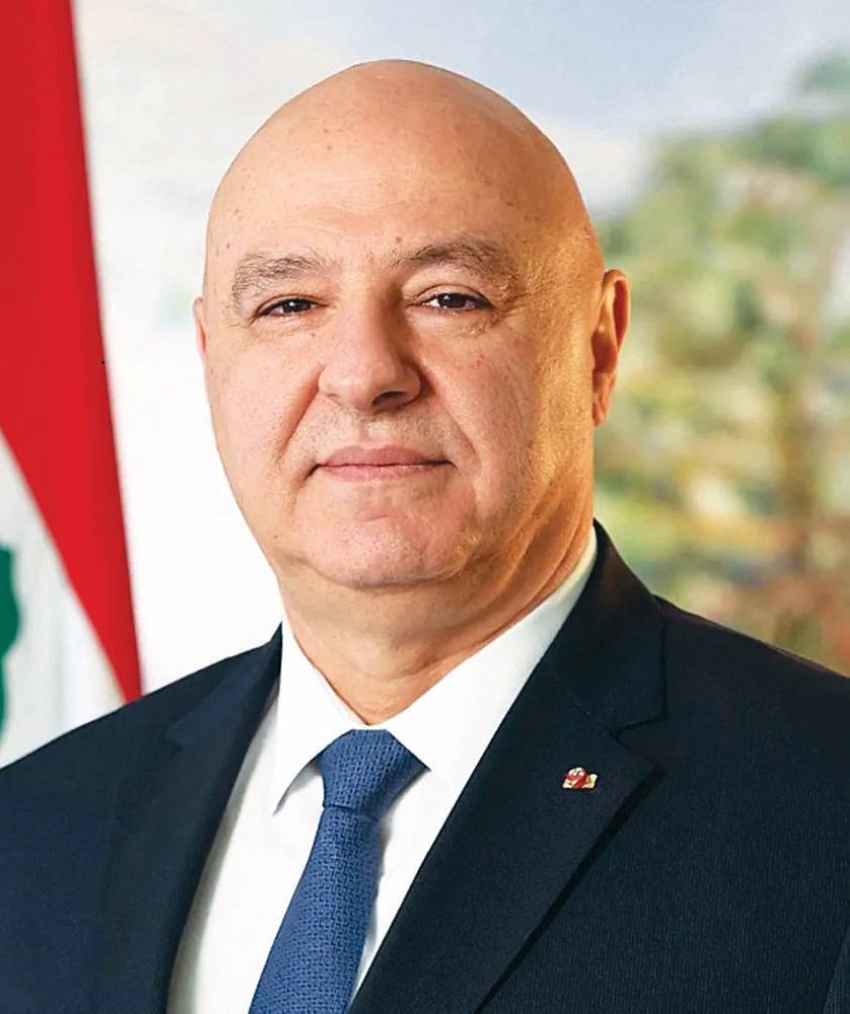
Lebanese President Joseph Aoun said yesterday that Israel's continued 'occupation' in southern Lebanon prevents the deployment of the army, as both sides prepare to implement a framework agreement that provides for a gradual withdrawal of Israeli forces and a subsequent deployment of the Lebanese Armed Forces.
Aoun stressed, according to a statement from the presidency, 'the importance of pressuring Israel to withdraw from the areas it occupies in Lebanon,' explaining that 'the continuation of the occupation undermines the state's legitimacy and prevents the army's deployment, as well as the foundations for achieving a just and lasting peace.'
Meanwhile, four people, including three women, were killed in an Israeli airstrike that targeted their car in southern Lebanon, according to the official National News Agency, in a new violation of the ceasefire declared between Hezbollah and Israel more than two weeks ago.
Although the intensity of clashes has decreased, Israel occasionally strikes southern Lebanon, saying it targets military infrastructure belonging to Hezbollah and movements of its fighters. The two sides exchange accusations of violating the truce.
The National News Agency reported that 'a hostile drone carried out a guided missile strike' targeting a car that had four people inside, resulting in their deaths.
The victims, according to the agency, were a public school principal along with her mother, a foreign domestic worker, and a Syrian worker. They were targeted by the drone while in the principal's car, as they were returning from inspecting the family home in Nabatieh al-Fawqa.
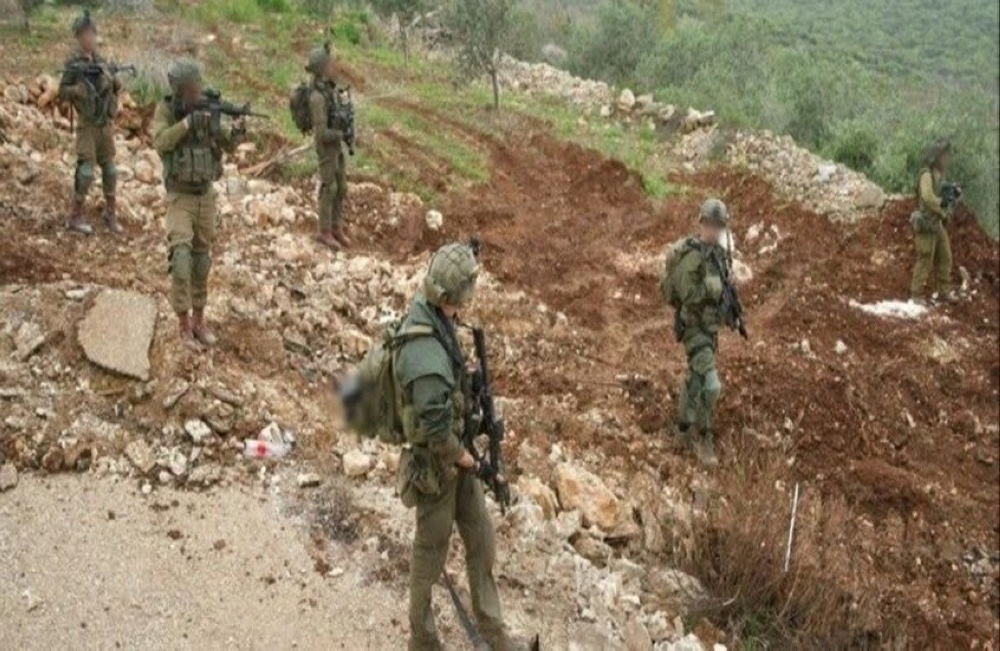
An agreement brokered by Tehran and Washington last month to end the war between them in the Middle East established a ceasefire in Lebanon starting June 21. However, Israel, which has maintained a 'security zone' in Lebanon extending 10 kilometers from its border and prevents residents from returning, continues to launch strikes, particularly around the city of Nabatieh.
Despite the violations, the agreement has enabled the return of more than 600,000 displaced people, according to the International Organization for Migration, in a report on Thursday, based on data collected in coordination with local authorities since June 22.
Lebanon and Israel, under the sponsorship of the United States, signed a framework agreement on June 26 paving the way for a cessation of hostilities after five rounds of negotiations between the two countries, which do not have diplomatic relations.
The agreement specifically stipulates the disarmament of Hezbollah, a gradual Israeli withdrawal from the territory it has penetrated in southern Lebanon, and the deployment of the Lebanese army starting from two 'pilot' areas.
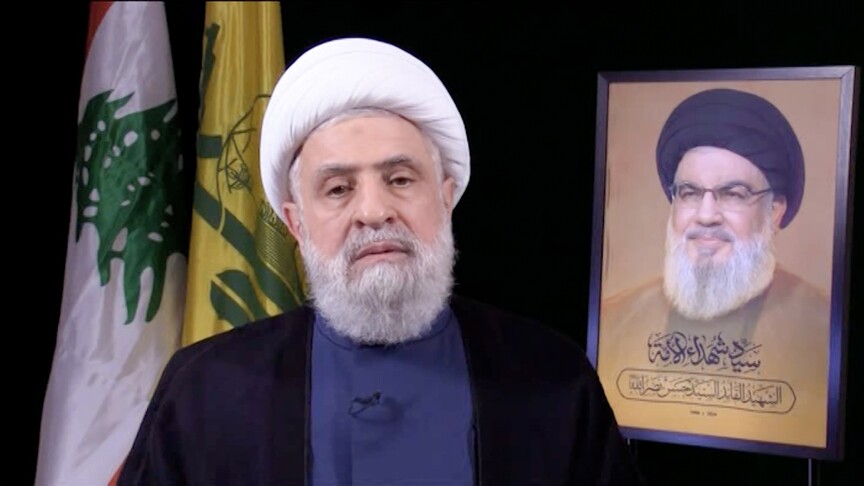
However, the agreement, which Hezbollah, backed by Tehran, quickly rejected, does not set a timetable for the Israeli withdrawal. Achieving that, and thus the return of residents to the areas occupied by Israel, is linked to the completion of Hezbollah's disarmament, a task that analysts question the Lebanese state's ability to accomplish.
Original source: Al-Riyadh
Comments (0)
Be the first to comment.