Legal Experts: Trump's Proposal to Impose Fees on Transit through Strait of Hormuz Violates International Law
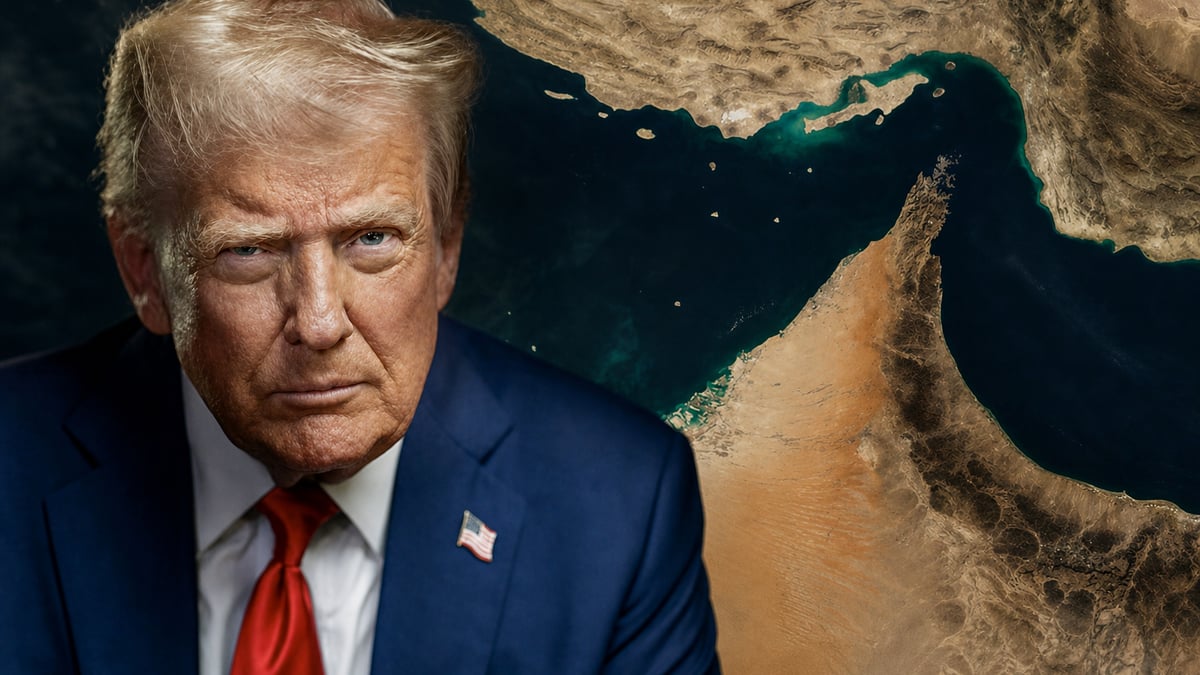
Legal experts considered that US President Donald Trump's proposal to impose a 20% fee on goods transiting the Strait of Hormuz in exchange for US protection violates international law and represents a departure from established international policy and practice.
A report published by the US website PolitiFact explained that Trump announced on his Truth Social platform that the United States would assume responsibility for protecting the strait in exchange for financial compensation, but he withdrew the proposal less than 24 hours later, indicating that he had reached trade understandings with Gulf states instead of imposing fees.
The report noted that demanding allies bear the costs of military protection is not new in Trump's approach, but international law experts stressed that imposing fees on passage through the Strait of Hormuz conflicts with the rules of freedom of navigation in international waterways.
Legal Violations and Practical Challenges
The report quoted Gunther Handl, a law professor at Tulane University, as saying that implementing the proposal would represent a radical shift from US policy and international practice, and is inconsistent with the United Nations Convention on the Law of the Sea or customary international law.
In the same context, the report pointed out that Trump's statements contradict what US Secretary of State Marco Rubio announced last June, when he affirmed that no state has the right to impose fees on an international waterway under international law.
Other experts confirmed that there are no legal precedents allowing the imposition of fees on transit through an international strait in this manner, and that implementing the proposal would require the use of military force against ships refusing to pay.
Potential Repercussions on International Trade
The report added that an attempt to impose fees on navigation through the Strait of Hormuz could prompt other countries bordering international straits to adopt similar measures, leading to a significant increase in global maritime trade costs.
For its part, the report considered that one of the most prominent practical challenges is the possibility of Iran demanding to impose its own fees, which could impose a long-term US military commitment in the region, a scenario that experts described as unlikely.
Original source: Ajel.sa



Comments (0)
Be the first to comment.