Macron's Visit to Damascus Leaves "French Fighters" Holding Their Breath
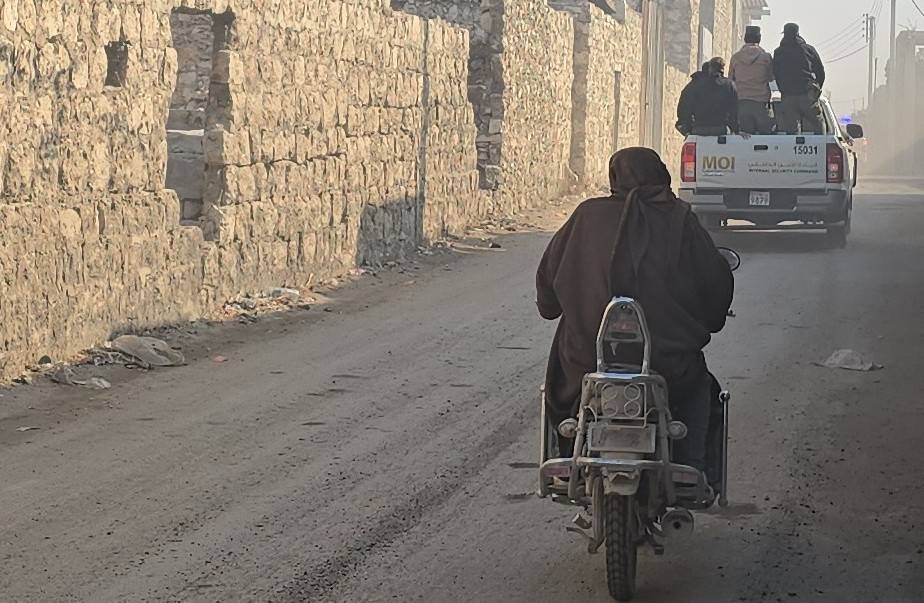
SummaryAs the Damascus government attempts to integrate approximately 20 French fighters—who remained in Syria during the recent armed conflict—into the new army, particularly the 84th Division for foreign fighters, a thorny issue emerges surrounding the "Foreigners' Brigade," centered in a camp near the town of Harim in northern rural Idlib. There, Omar Diaby, also known as Omar Omsen, has installed himself as the camp's emir, and has entered into his first confrontation with government forces after committing abuses.
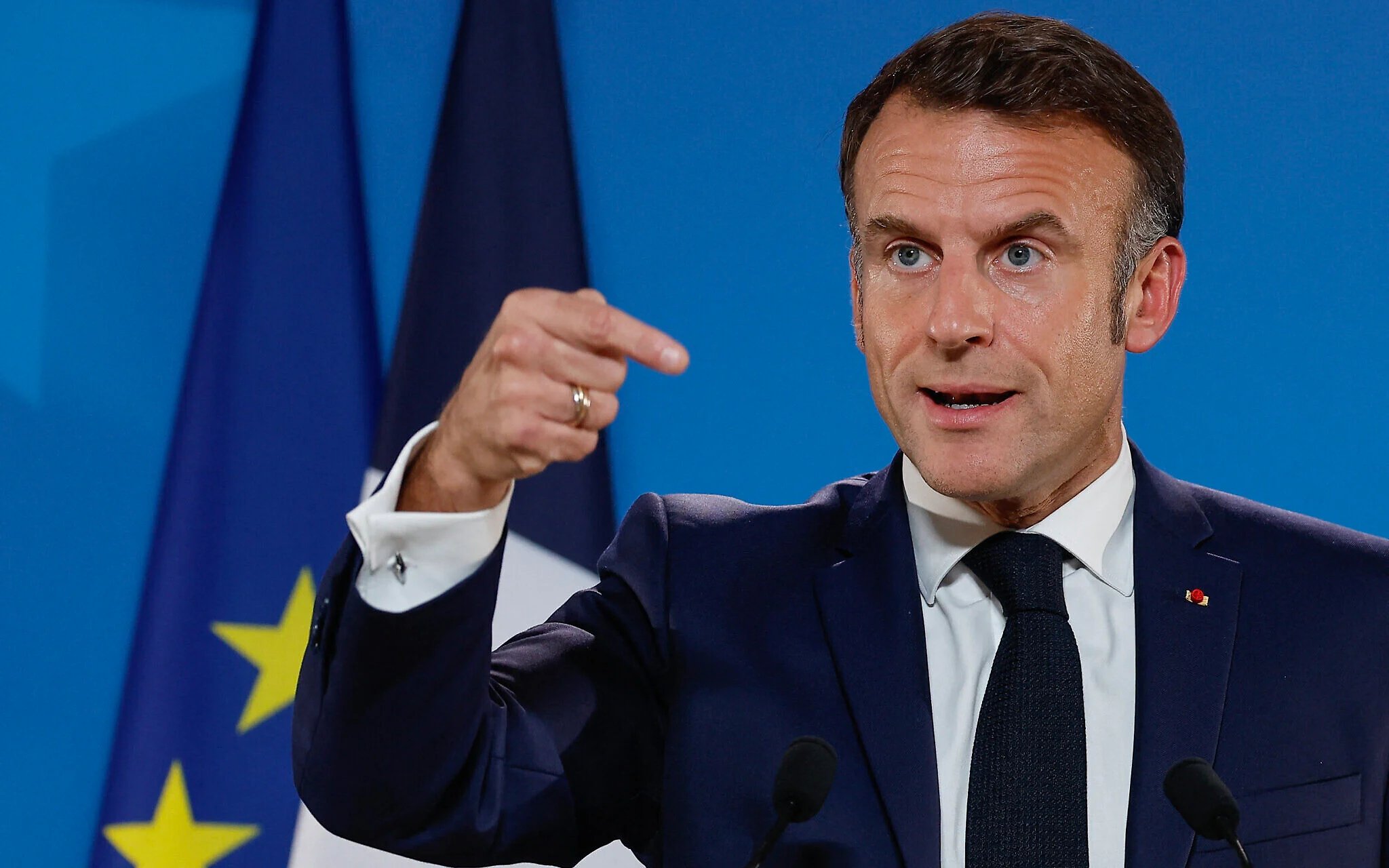
Wearing black sunglasses, French President Emmanuel Macron descended from his presidential plane onto Damascus soil in the first visit by a Western head of state to the new Syria. He did not remove those controversial sunglasses during his meetings with Syrian President Ahmed al-Shara, whether at the dinner held in his honor or his nighttime visit to the Umayyad Mosque in the heart of the capital, amid questions about what the European leader is hiding on his trip.
What President Macron is hiding is not his eye—reports indicate that its health is deteriorating, given his repeated wearing of glasses on several occasions, which negates the notion that he breached presidential protocols due to a health excuse. Rather, what he is hiding in his visit's portfolio are files that go beyond economic, political, and diplomatic importance, reaching security issues discussed behind closed doors.
"Security cooperation," which Paris aspires to after thawing relations with the fall of the Assad regime, is among the priorities of the relationship once relations between the two countries return to normal. Notably, the first official delegation to meet President al-Shara before he assumed power was the French delegation. Meanwhile, Damascus today needs to establish stability, civil peace, and reconstruction. Against this backdrop, the file of French fighters—the "Foreigners' Brigade"—emerges, and reports indicate that their numbers have dwindled to dozens over time.
Security Dialogue
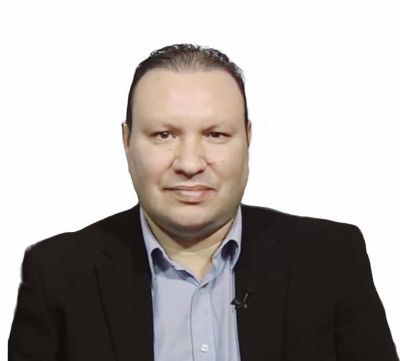
From the French capital Paris, we spoke with international law researcher Firas Haj Yahya about this file. He believes it will be one of the most sensitive files in any security dialogue between Paris and Damascus, explaining, "We are talking here about French citizens present in areas that were under the control of Hay'at Tahrir al-Sham, some of whom fought in its ranks or in affiliated factions. Then the political reality changed after the transfer of power in Damascus."
Haj Yahya simultaneously sees that France today faces not only a legal challenge but also a political one. It is required to protect its national security, but it is also required to determine how to deal with its citizens inside Syria. He added, "In my opinion, the most likely scenario is to deal with each case individually, based on the nature of the acts attributed to the person, not just their previous affiliation. There is a difference between someone who committed proven crimes and someone whose role was limited to membership or logistical support. This requires direct judicial, security, and intelligence cooperation between Damascus and Paris."
The international law researcher did not rule out that France would explore mechanisms for exchanging evidence and information with the Syrian authorities, because any judicial decisions inside France would require evidence and testimonies located inside Syria.
The Foreigners' Brigade
Meanwhile, political circles await, after Macron's visit, developments regarding families of foreign origin—mostly women and children who lived in al-Hol camp, which was run by the "Autonomous Administration" earlier before the government extended its authority over the entire geography of northeastern Syria—and the pursuit of remnants of the ISIS organization, especially as Syria enters the international coalition.
As the Damascus government attempts to integrate approximately 20 French fighters—who remained in Syria during the recent armed conflict—into the new army, particularly the 84th Division for foreign fighters, a thorny issue emerges surrounding the "Foreigners' Brigade," centered in a camp near the town of Harim in northern rural Idlib. There, Omar Diaby, also known as Omar Omsen, has installed himself as the camp's emir, and has entered into his first confrontation with government forces after committing abuses.
Read more
Macron in Damascus... Is it time for French investment in Syria?
Syrian presidency adviser: What happened in Damascus was expected
Syrian government faces dilemma of resolving status of foreign fighters
How did Syrians receive the plan to integrate foreign fighters into the army?
The rebellion of the Frenchman of Senegalese origin, Omsen, after the liberation is not new. Hay'at Tahrir al-Sham, which leads the Syrian government today, has had previous experiences with him after he monopolized the land for the camp he established with a group of French fighters and local residents in a location near the Syrian-Turkish border. He imposed a special camp system leaning toward extremism and imposing bigoted traditions in the education of girls and boys. He also played a role in attracting and recruiting hundreds of French and Africans who arrived in Syrian territory with his help. In 2022, he was imprisoned for more than a year and a half, then released.
The "French" camp located on Jabal Harim hides numerous abuses accumulated over the years, until it transformed from a mere shelter for families of foreign fighters into a closed entity within which a parallel authority operates outside the legal framework. Political writer Abdelghani al-Aryan said in a private interview that since the camp moved from its old location in the Blue Camp area to the al-Fardan camp in rural Idlib, clear signs began to appear of the formation of an internal administration not subject to oversight, led by Omsen, who managed to impose a system akin to a state within a state, based on local Sharia courts, internal police, and independent punitive decisions not based on any official legislation or judicial oversight. He added, "Dangerous abuses were committed against the civilian residents there, including kidnapping, extortion, and physical punishment. The most serious of these incidents was the kidnapping of a girl from her mother by an armed group led by Omsen himself, which sparked a wave of widespread condemnation among the residents and led them to file repeated complaints to local authorities."
Information Exchange
In light of this, and returning to Macron's visit, supporters of Omsen, including extremists under his command who refused to integrate with government forces or surrender their weapons, sent messages of concern about the French president's visit. Via the Telegram application, they expressed fears and warnings of the possibility that President Macron would be accompanied by intelligence personnel and elements, exposing them to pursuit or arrest.
Legal researcher Haj Yahya drew attention to the security cooperation between the two countries, noting that it is not limited to the file of French fighters, but may start from it, because it represents a test of the two sides' ability to build trust. First, in his view, "We may see cooperation in exchanging intelligence information about the identities of foreign fighters, their movement routes, and the support networks through which they operated."
As for the second point, "There will be interest in judicial cooperation, especially in collecting evidence, hearing witnesses, and exchanging judicial requests, because many of the facts under investigation occurred on Syrian territory." Meanwhile, he believes the third point focuses on extending cooperation to combat cross-border recruitment and financing networks, a file that France considers a security priority.
Original source: Independent Arabia

Comments (0)
Be the first to comment.