Sources in the Lebanese presidency to BBC: 'A meeting between Aoun and Netanyahu is completely rejected'
The Rome round ended with progress towards starting implementation in two areas in southern Lebanon within days, while the verification mechanism remains under discussion. Presidential sources reveal to BBC Arabic what the negotiations entailed, and say any meeting between Aoun and Netanyahu is 'completely rejected'.
Sources in the Lebanese presidency to BBC: 'A meeting between Aoun and Netanyahu is completely rejected'
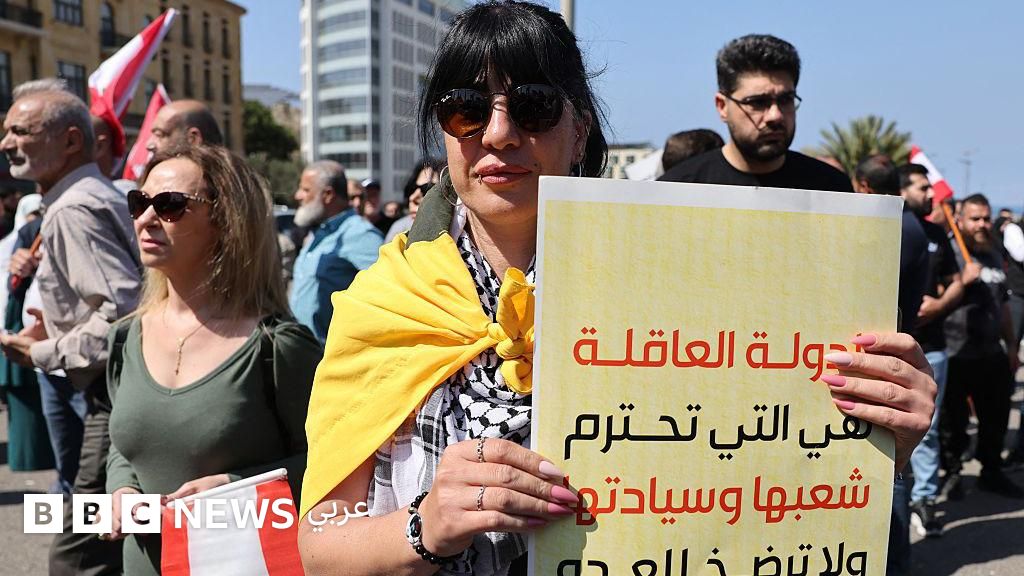
Image caption, A Lebanese woman holds a sign reading: 'The wise state respects its people and its sovereignty and does not submit to the enemy,' during a protest organized by residents, mukhtars, and families of destroyed border villages in southern Lebanon, at Martyrs' Square in central Beirut on 30 April 2026
Article Information
Author, Ahmed AbdallahRole, BBC Arabic
Published 34 minutes ago
Reading time: 5 minutes
The sixth round of talks between Lebanon and Israel ended in Rome, after two days during which discussions moved from general principles to practical details for implementing the 'framework agreement' in two areas in southern Lebanon.
Sources in the Lebanese presidency told BBC Arabic that the progress made on the first day was reinforced during the second day, and that the discussion had become 'practical and detailed' regarding the mechanism for starting implementation of the agreement.
The sources added that preparations are underway to begin work in the two areas within 'hours or days', with the Lebanese side hoping that implementation will not be delayed beyond the end of the week. However, they clarified that the verification mechanism for implementation and the entity that will oversee it have not yet been finalized.
Lebanon-Israel talks in Rome: Why did they move from Washington? And what are their most prominent files?
Lebanon: Could the framework agreement with Israel ignite internal division?
The US Embassy in Rome hosted meetings on Tuesday and Wednesday, the first round held outside Washington since the start of direct talks between Lebanon and Israel in April.
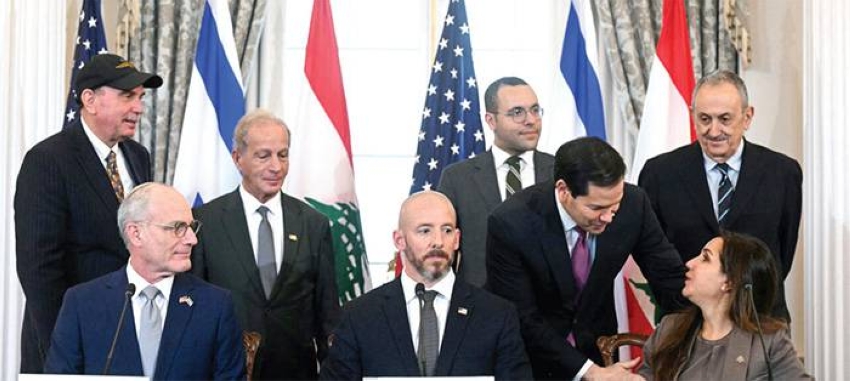
The negotiations aim to turn the principles in the 'framework agreement', signed by Lebanon, Israel, and the United States in Washington on 26 June, into actions implementable on the ground.
The agreement and its security appendix have not been officially published, but available information indicates a gradual path in which the Lebanese army assumes security responsibility in specific areas, with verification of the disarmament of non-state groups, parallel to an Israeli withdrawal and the return of civilians.
What did the Rome round achieve?
Image caption, The American flag on the facade of the embassy in Rome, which hosted the sixth round of negotiations between Lebanon and Israel.
Sources in the Lebanese presidency told BBC Arabic that the second day's meetings focused on the 'two model areas' as the starting point for implementing the agreement, in addition to setting a date for commencing work in them.
They added that the discussion also covered the sequence of areas that will follow them, and the time frame needed to move to the remaining areas covered by the framework agreement.
Skip most read and continue reading
"How did Israel recruit former Iranian President Mahmoud Ahmadinejad?" - New York Times
US military launches new wave of strikes against Iran, with reports of Tehran threatening to close the Bab el-Mandeb Strait
Two Arab referees in the golden square of the World Cup, Jaid and Al-Khadma write history
The prince who opened small Qatar to the outside world and achieved exceptional success - article in the Washington Post
According to the same sources, a statement is likely to be issued by the American side specifying what has been agreed upon, along with the start date for implementation and the location of the next meeting.
During the round, the Lebanese delegation demanded a clear timetable for starting work in the model areas, considering that agreeing on the idea without dates and implementation mechanisms does not achieve the required progress.
In contrast, Israel insists that its withdrawal be linked to verifiable steps to disarm Hezbollah and other armed groups, and for the Lebanese army to assume actual security control.
Here lies the main sticking point in the negotiations: Lebanon wants the withdrawal of Israeli forces so that the army can deploy, while Israel wants to verify the implementation of security arrangements before completing its withdrawal.
Two different areas on the ground
Sources from the Lebanese presidency, speaking to BBC Arabic, describe the ground situation in the two areas as 'mixed'.
They explain that the first area includes territory occupied by Israel from which Israeli forces are supposed to withdraw, while the second area is adjacent to occupied territory, where the Lebanese army is supposed to reinforce its deployment.
The map of the two areas or the names of all the villages covered have not yet been officially announced, nor have details of the Israeli withdrawal mechanism and the Lebanese army's deployment been published.
The sources added that discussing the technical aspects of the withdrawal and deployment may require an additional military meeting before implementation begins, likely to be hosted by Rome as well.
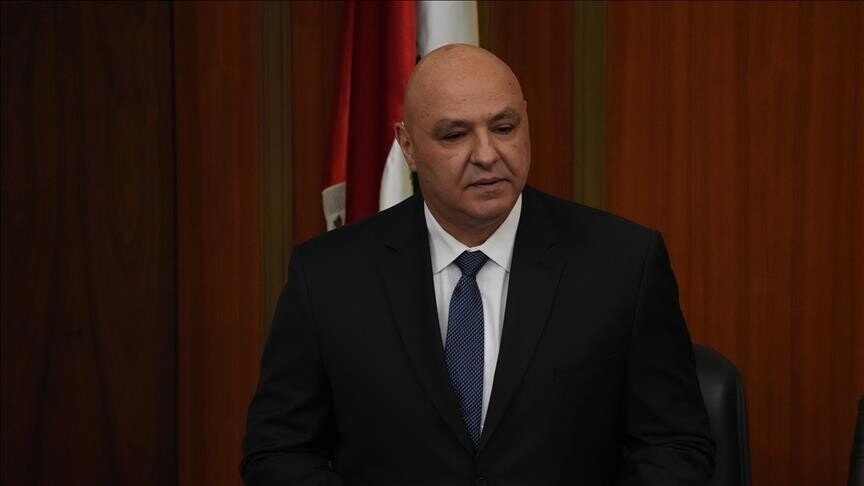
Image caption, Lebanese President Joseph Aoun visits Washington on 21 July this year
Verification mechanism not finalized
Skip podcast and continue reading
Worth paying attention
In-depth explanation of the most prominent events and topics, to help you understand the most important changes around you and their impact on your life
Episodes
End of podcast
Sources from the Lebanese presidency say that the task of verifying the implementation of the arrangements will be assigned to a third party, affirming Lebanon's openness to the American vision for the proposed mechanism.
They added that the Lebanese side prefers to entrust this task to United Nations bodies, such as the United Nations Interim Force in Lebanon (UNIFIL) and the United Nations Truce Supervision Organization (UNTSO).
According to the sources, several proposals were put forward during the meetings, without reaching a final formula, as granting any entity the authority to verify requires a clear legal framework regulating its work.
Regarding what was raised about the possibility of verification teams entering private property, the sources confirmed that searching private property was not on the table.
They explained that the proposed mechanism must comply with Lebanese laws, and that Lebanon does not object to any procedures implemented within this legal framework.
Lebanese reports had spoken of Israel's desire to assign the oversight task to a committee comprising representatives of Israel and US Central Command, along with an agreed-upon third party, instead of assigning the task to UNIFIL.
Presidency sources said that the formula for working committees has not yet crystallized. They explained that the initial proposal called for forming a committee to handle the complete Israeli withdrawal and subsequent arrangements, but current discussions are still focused on the two model areas.
What about Hezbollah?
Hezbollah is not participating in the negotiations, and has announced its rejection of the 'framework agreement', linking the Israeli withdrawal to the issue of its disarmament.
In response to a question from BBC Arabic about communication with the party to ensure the implementation of arrangements, sources in the Lebanese presidency said that the authorities rely on the 'common framework', which clearly stipulates the return of civilians to the villages where the implementation of the plan will begin.
The sources added that the next phase will include completing the discussion of military details of the Israeli withdrawal and the deployment of the Lebanese army, in parallel with determining the order of transition to other areas and the timetable for that.
Lebanese President Joseph Aoun goes to Washington next week for a short visit, according to the sources, during which he will meet US President Donald Trump and a number of officials.
The sources confirmed that holding any meeting between Aoun and Israeli Prime Minister Benjamin Netanyahu is 'completely rejected'.
Original source: BBC Arabic


Comments (0)
Be the first to comment.