Lebanese Official Source Expects Start of Two Model Zones Implementation Within Days
BEIRUT / Wasim Seif el-Din, Stephanie Radi / Anadolu
A senior Lebanese official source to Anadolu:
- We made progress with the conclusion of the second and final day of Rome negotiations with Israel under US sponsorship
- The two model zones will be one under Israeli occupation and the second on the outskirts of the occupation
- They discussed in detail the mechanism for implementing the 'framework formula' agreement and the timeline for the sequence of Israeli withdrawal from our lands
- We also discussed how the Lebanese army will enter and deploy, and the (Israeli) withdrawal, which may require a new round of negotiations
A senior Lebanese official source predicted on Wednesday that implementation of the 'two model zones' in the south of the country would begin within days.
This came in statements he made to Anadolu at the conclusion of the second and final day of Rome negotiations between Lebanon and Israel under US sponsorship.
The source, who requested anonymity, said that the start of implementation of the two model zones would be 'within days', 'in response to a Lebanese request', confirming progress with the conclusion of the Rome negotiations.
He added that the discussions covered in detail the mechanism for implementing the 'framework formula' agreement and the timeline for the sequence of Israeli withdrawal from Lebanese territory.
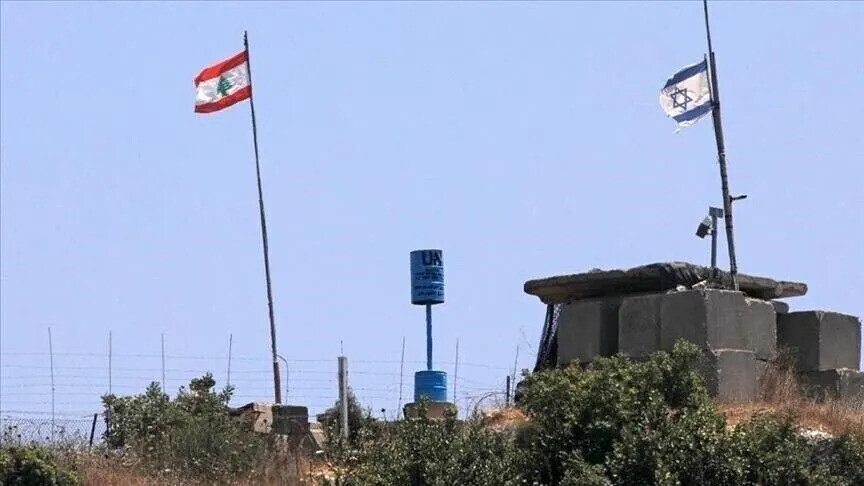
On June 26 last, Beirut and Tel Aviv signed, under US sponsorship, a 'framework formula' stipulating a gradual Israeli withdrawal from all occupied Lebanese territory, starting with two pilot (model) zones without naming them.
The agreement did not set a timetable for withdrawal, linking it to the Lebanese army assuming full security responsibility in the areas from which the Israeli army withdraws, and disarming armed groups, with special reference to 'Hezbollah'.
The source explained that 'the progress made on the first day of negotiations was further confirmed today, and the focus was on the two model zones as the start of a joint implementation phase'.
He added that one of the two zones will be 'under Israeli occupation, while the second lies on its outskirts', with work to strengthen the Lebanese army's authority in both.
He continued: 'The focus was also on the start date of implementation. We are working to launch as soon as possible within days, and the final statement of the negotiations is supposed to set the date, hoping it will not exceed a week'.
He pointed out that the discussions also covered the remaining areas and the timeline for the sequence of Israeli withdrawal from them.
He added: 'We also discussed technical matters related to the mechanism of Lebanese army deployment and Israeli withdrawal, which may require a new round of military negotiations', predicting that Rome would host it to determine the areas and withdrawal mechanism.
He stressed that the return of civilian residents to their villages is 'a self-evident and binding matter for Israel', adding that 'anything else is the responsibility of the Lebanese army'.
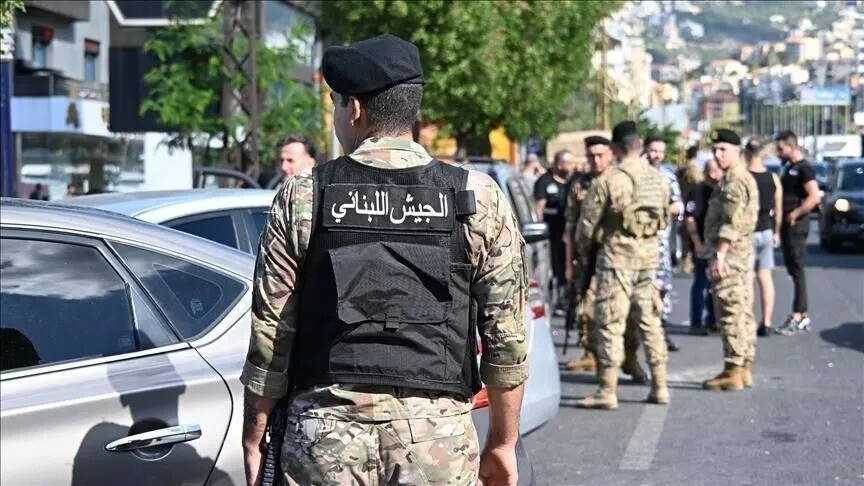
Regarding the verification mechanism of the Lebanese army's deployment in areas from which Israel will withdraw, the source predicted that an 'international party' would undertake this task, noting that several formulas were proposed but no final agreement was reached on them.
He added: 'The best and most practical option currently is for United Nations units to undertake this task, as they are on the ground', referring to the UNIFIL force.
He explained that 'Israel did not request house searches during the negotiations, but a mechanism was discussed to verify that the areas are free of weapons or gunmen, and these mechanisms will be discussed according to Lebanese laws, and there is no problem with that'.
The National News Agency reported that the Lebanese-Israeli negotiations, which concluded in Rome, addressed a number of files between the two sides, particularly regarding the two pilot zones.
On Tuesday, a senior Lebanese official source, who requested anonymity, told Anadolu that the first day of Rome negotiations with Israel 'was positive and can be built upon'.
He added that the Israeli side 'asked for clarifications regarding the mechanism of Lebanese army deployment and verification of its full control after the Israeli army's withdrawal'.
Five rounds of negotiations were previously held between Beirut and Tel Aviv in the American capital Washington, leading to the signing of a 'framework formula' stipulating a gradual Israeli withdrawal from all occupied Lebanese territory.
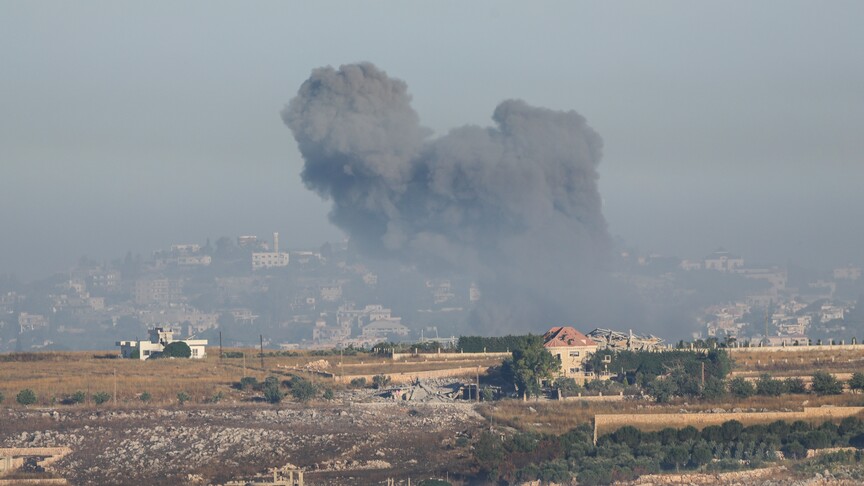
Israel continues its aggression on Lebanon, which began on March 2, 2026, and has resulted in the killing of 4,324 people and the injury of 12,223 others, as well as the displacement of more than one million people, according to the Lebanese Ministry of Health.
Israel occupies areas in southern Lebanon, some for decades, and others since the previous war between 2023 and 2024, and it has also penetrated more than 10 kilometers into Lebanese territory during the current aggression.
In addition to its occupation of Lebanese territory, Israel occupies Palestinian and Syrian territories, and refuses to withdraw from them and to establish a Palestinian state.
Original source: Anadolu Agency



Comments (0)
Be the first to comment.