Mysterious Man at Khamenei's Funeral Spotted from Afar Amid Videos Claiming He Is His Son Mojtaba: What Do We Know?
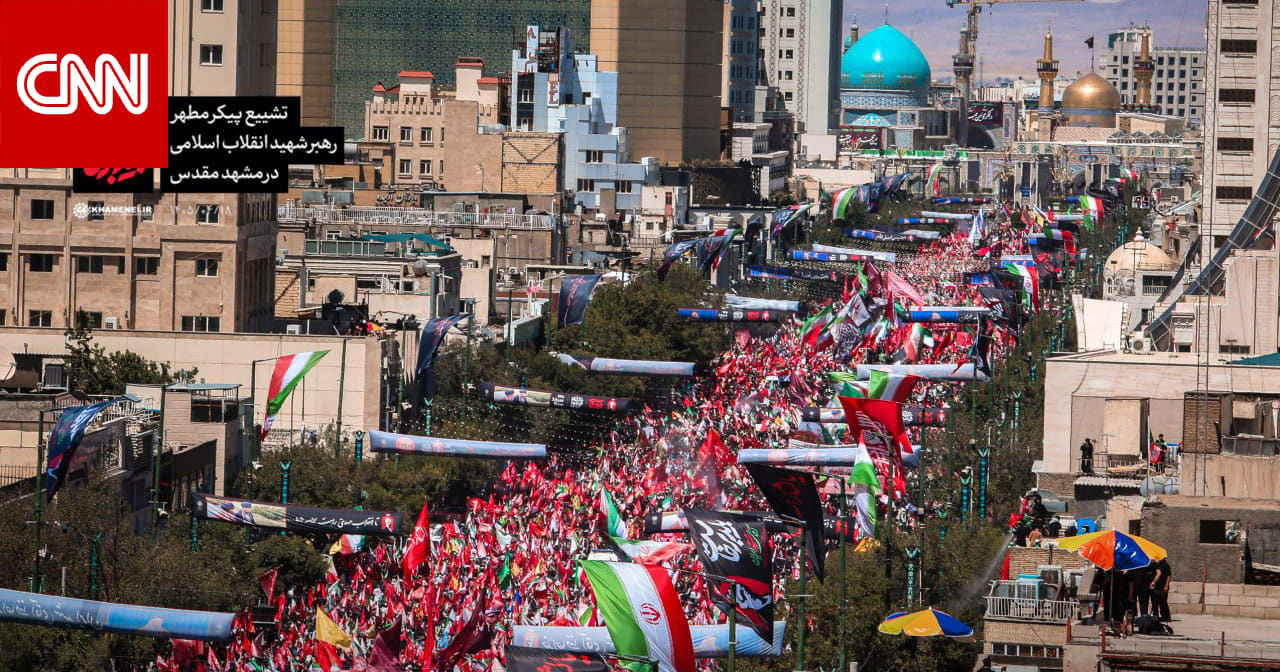
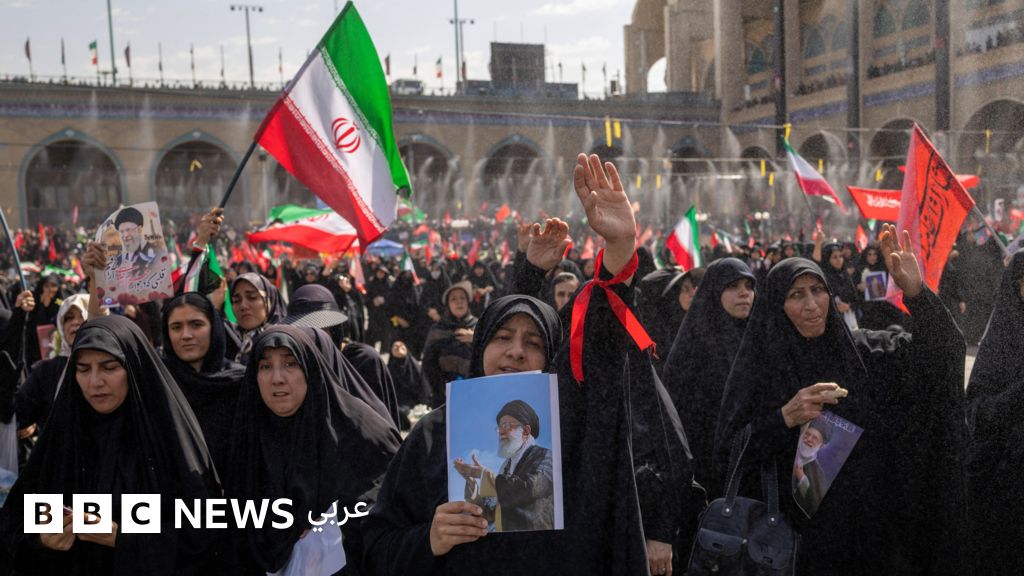
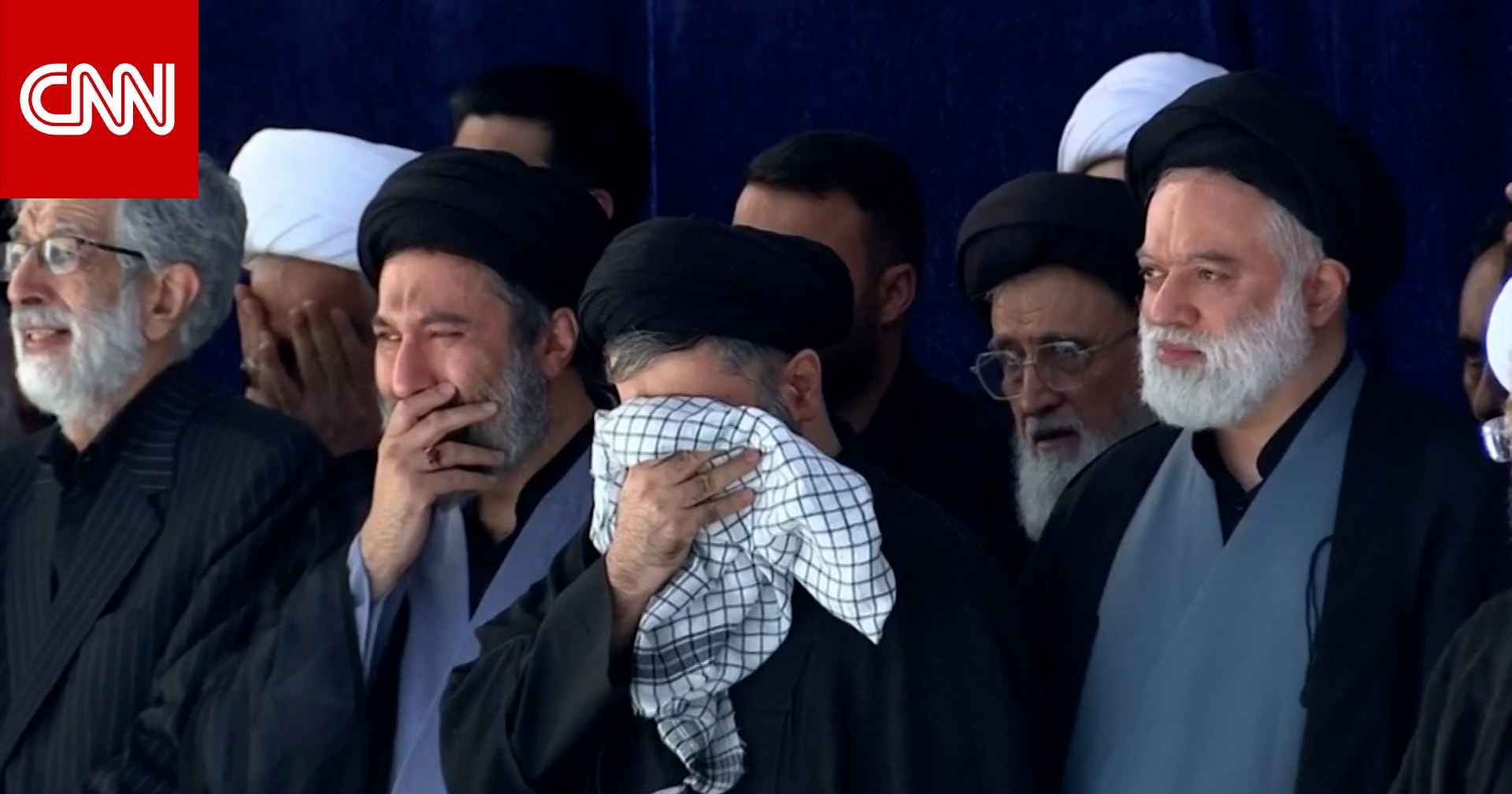
(CNN)-- As crowds of mourners filled the courtyard of a huge mosque in Tehran to pay their last respects to the late Supreme Leader Ali Khamenei, a mysterious man in clerical garb stood at a distance, watching from a balcony as the historic ceremony unfolded.
This man – standing next to a small group of people – appeared in an unclear video that spread rapidly on social media, amid speculation and doubts that he is his son Mojtaba Khamenei, Iran's new Supreme Leader.
His facial features were not clear in the video, and aside from the clerical attire – similar to what many other Shia clerics wore at the ceremony – there was nothing clearly indicating he was Khamenei; in fact, an Iranian cleric named Reza Mousavi Vaez later stated on social media that he was the person in the video.
However, the widespread circulation of the video carries special significance: many supporters focused on searching for any trace of Mojtaba more than on the solemn funeral rites for the leader who held office for the longest – and perhaps most influential – period in the 47-year history of the Islamic Republic.
The new Supreme Leader is believed to have been injured in the attack launched by Israel and the United States in February, which killed his father, mother, and wife; since the war began, he has remained hidden, communicating with his supporters only through written statements, without showing his face or being heard.
Meanwhile, Iranian officials sought to downplay his injuries and portray him as fully recovered, claiming he managed Tehran's negotiations with Washington, and worked to cement a revered and respected image of this young leader among the Iranian public and through the official media discourse of the Islamic Republic.
His appearance at the funeral would have been his first known public appearance since being appointed Iran's new Supreme Leader after his father's assassination.
Before the funeral, Israel also threatened the younger Khamenei, with Israeli Defense Minister Israel Katz stating that the new Supreme Leader is "targeted for killing."
University professor and author of "Iran's Rise and Its Rivalry with the US in the Middle East," Mohsen Milani, said: "Given the scale of the Islamic Republic's intelligence failures during the war, any public appearance by Mojtaba could expose him to assassination risk."
He added that this would threaten "the leadership succession process, Tehran's ability to negotiate with Washington, or manage any renewed conflict."
Despite these risks, his absence from the funeral fuels further speculation and raises questions ranging from whether Khamenei is actually running the country to the severity of the injuries he sustained during the attack.
During the week of ceremonies for Ali Khamenei, AI-generated videos claimed to show Mojtaba Khamenei in disguise walking among mourners in Tehran to bid farewell to his father, and pro-regime journalists speculated that he was present in the crowds at "Mosalla" – Tehran's main mosque – and that he was not "hidden" thanks to "excellent coordination" with the Revolutionary Guard. Others circulated images of a clean-shaven man in a black hat, claiming he was the new "Grand Ayatollah" of the republic in disguise.
Hours before his father's burial in the city of Mashhad, mourners chanted demanding the new Supreme Leader, repeating the phrase "Labbaik ya Mojtaba" as an expression of loyalty.
Despite the anticipation and rumors, throughout the six days of funeral ceremonies for his father, mother, and wife in two different countries, Iran's new Supreme Leader did not appear to lead the vast crowds of supporters, nor was he seen standing alongside his brothers – Mostafa, Masoud, and Meysam – during their father's burial at his final resting place in Mashhad.
In a sarcastic social media post, the Israeli Foreign Ministry mocked Khamenei's absence from his father's funeral; it published a photo of mourners at a funeral procession in Iraq carrying a poster of the new Supreme Leader, commenting: "Mojtaba's enthusiastic attendance at his father's funeral ceremony in Iraq."
Last month, US President Donald Trump said the younger Khamenei is "more rational" than his father, before implicitly acknowledging that the new leader is still alive but suffering from a "serious injury." Iranian medical officials reported that Khamenei did not sustain a serious injury from the strike. In May, US intelligence assessed that he plays a pivotal role in shaping war strategy alongside senior Iranian officials.
Mojtaba's absence from his father's funeral may reinforce the opposition's conviction that he is incapable of assuming duties, and that his appointment aimed to assign decision-making responsibility to a figurehead; his physical absence could make it impossible to remove him from the scene.
However, Khamenei's absence – even among the most loyal regime supporters – could raise doubts and open the door to previously taboo criticisms, amid internal conflicts over diplomacy with Washington, a file opposed by the more hardline currents in Iran.
Some conservative channels inside Iran accused negotiators with the West of violating Khamenei's orders, and some fringe groups even hinted that the negotiators had carried out a "coup"; these accusations led to Foreign Minister Abbas Araghchi and President Masoud Pezeshkian being pelted with stones during their participation in the funeral procession.
Khamenei's failure to appear could exacerbate these divisions and expose regime officials to further attacks.
Had he appeared, it would have been a significant event helping to cement his new tenure; ironically, his late father once mocked US leaders in a 2005 speech for their "disappearance" after the September 11 attacks, declaring at the time that "if Iran experiences a bitter experience... we ourselves will put on battle gear and be ready for sacrifice."
In a statement to CNN, the director of the Iran Project at the International Crisis Group, Ali Vaez, said: "Khamenei's absence indicates either excessive security concerns or serious injuries from which he has not sufficiently recovered to appear publicly."
Original source: CNN Arabic




Comments (0)
Be the first to comment.