Near-complete halt of ship traffic through Strait of Hormuz
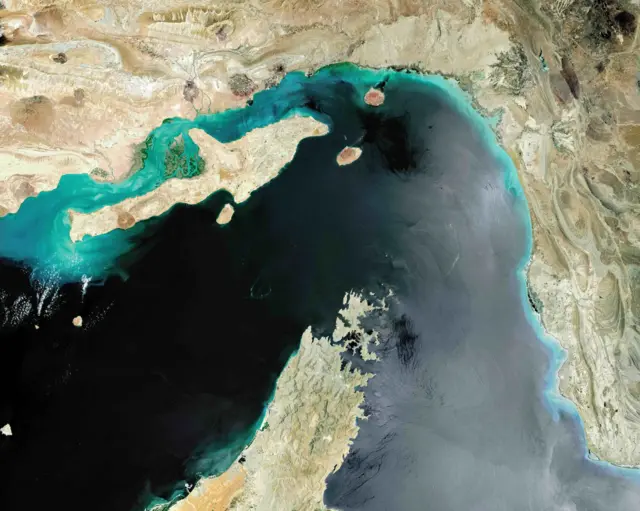
Ship traffic through the Strait of Hormuz is witnessing a noticeable decline, following the resumption of Iranian targeting and the United States reinstating a naval blockade on shipping linked to Tehran.
According to MarineTraffic data, six ships crossed the strait in the past 24 hours, while three ships crossed on Thursday, the lowest daily number since last May, with no crude oil tankers or liquefied natural gas tankers passing.
This is reflected in rising energy prices due to the increasing pressures faced by ships in one of the world's busiest maritime corridors.
Notably, ship traffic through the Strait of Hormuz averaged up to 125 ships per day before the war.
The United States and Iran have intensified their attacks since the collapse of a temporary ceasefire agreement days ago, raising the possibility of a return to all-out war.
U.S. Central Command reported that the United States launched new strikes on Iran after earlier announcing the deaths of two American soldiers in Jordan and the loss of another soldier following an Iranian attack.
Before the strikes on Saturday, Iranian Supreme Leader Mojtaba Khamenei said Washington would pay the price for "its efforts to escalate the conflict."
Central Command said in a statement that the airstrikes began at 6 p.m. Eastern Time (2200 GMT), on the orders of President Donald Trump.
Original source: Al-Mowaten




Comments (0)
Be the first to comment.