Other Battles Between Trump Aides to Influence Outcome of Iran War
"); googletag.cmd.push(function() { onDvtagReady(function () { googletag.display('div-gpt-ad-3341368-3'); }); }); }
Summary
Behind-the-scenes maneuvers highlight the significant threats facing Trump less than two weeks since the country was plunged into a war that shook global financial markets and disrupted international oil trade.
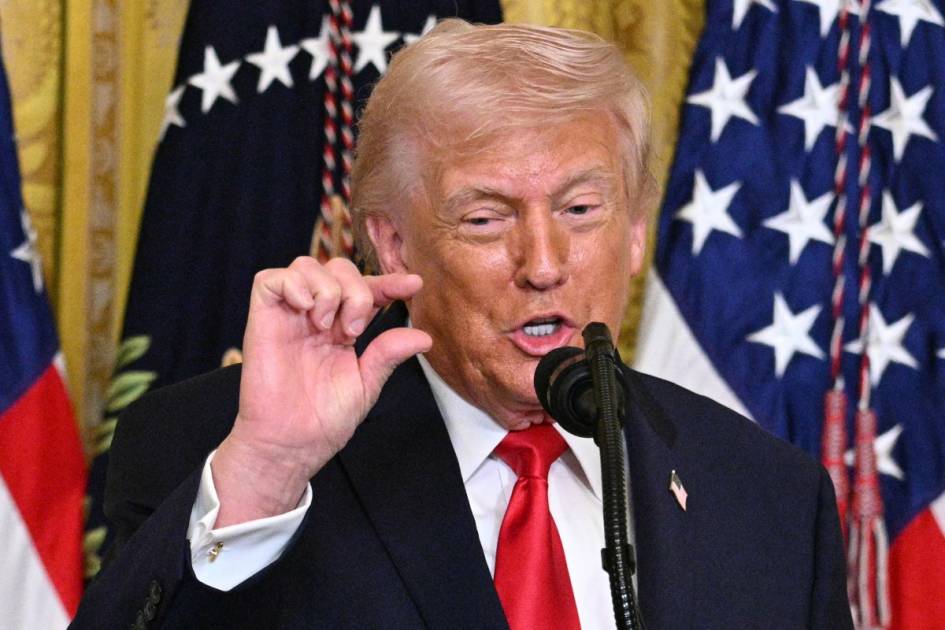
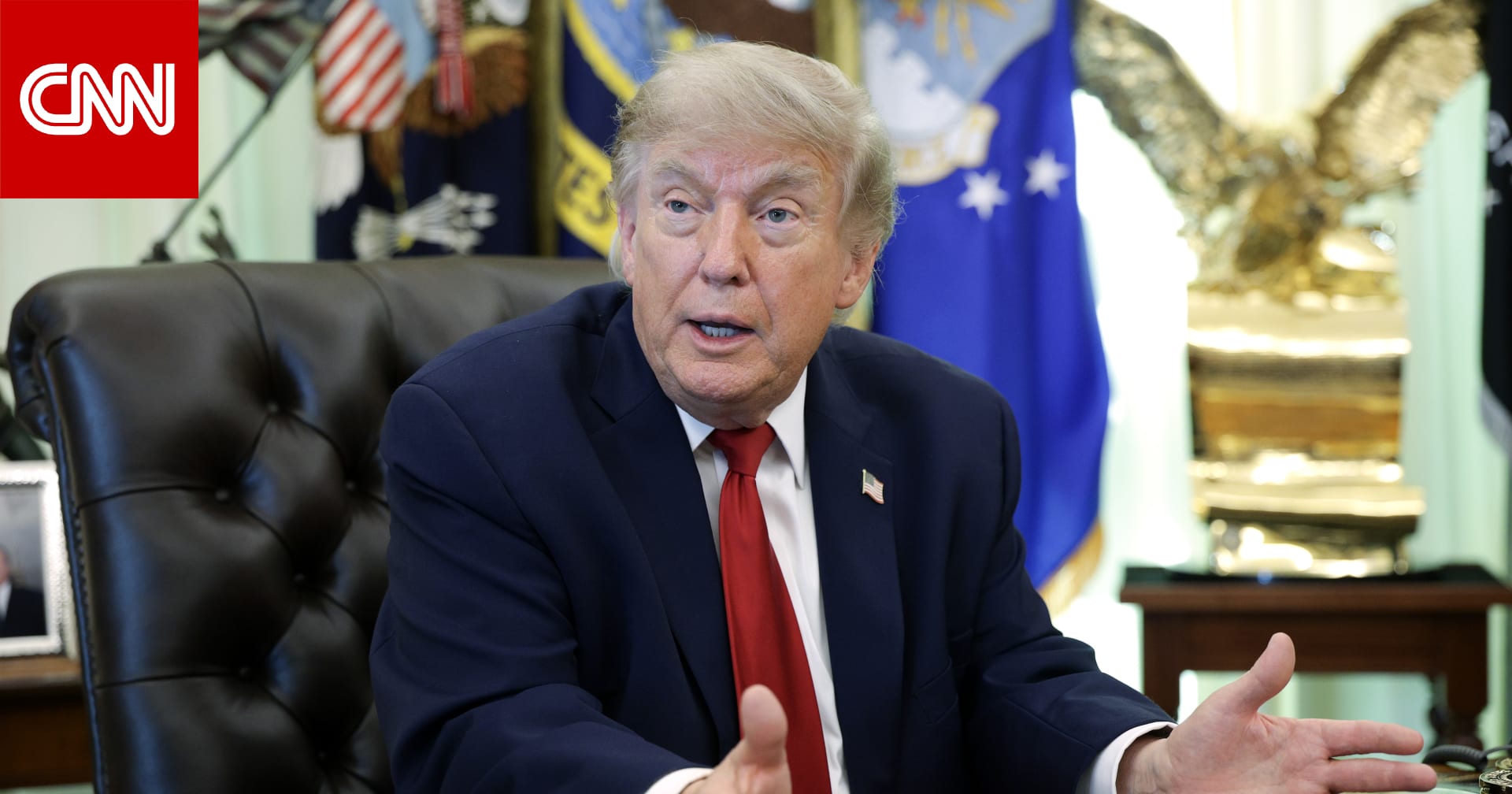
Complex conflicts inside the White House are pushing U.S. President Donald Trump to change his public statements about the course of the war with Iran, as his aides discuss when and how to declare victory, even as the scope of the conflict in the Middle East expands.
According to interviews with a Trump adviser and others close to the discussions, some officials and advisers to the U.S. president warn that rising gasoline prices caused by the war could inflict political losses on him, while some hardliners pressure the president to continue the offensive against Iran.
Their comments to Reuters provide an unreported glimpse into White House decision-making as he adjusts his approach to the largest U.S. military operation since the Iraq war in 2003.
Shift in Messages
The behind-the-scenes maneuvers highlight the significant threats facing Trump less than two weeks since the country was plunged into a war that shook global financial markets and disrupted international oil trade, and Trump had promised upon his return to the White House in 2025 to avoid 'stupid' military interventions.
Competition to win Trump's favor is a hallmark of his presidency, but this time the consequences involve war and peace in one of the most volatile and economically important regions in the world.
After shifting from the comprehensive objectives he set when launching the war on February 28, Trump has asserted in recent days that he views the conflict as a limited campaign with most of its goals achieved.
But the message remains ambiguous to many, including energy markets that swing between gains and losses in reaction to Trump's statements.
He said at a campaign rally in Kentucky the day before yesterday, Wednesday: 'We have won' the war, then suddenly changed his stance, saying 'We don’t want to leave early, do we? We have to finish the job.'
Economic advisers and officials, including from the Treasury Department and the National Economic Council, warn Trump that the oil shock and rising gasoline prices could quickly erode domestic support for the war, according to the adviser and two sources familiar with the discussions, who requested anonymity to speak about internal conversations.
Read more
This section contains related articles, placed in (Related Nodes field)
According to the sources, political advisers, including White House Chief of Staff Susie Wiles and her deputy James Blair, express similar concerns focused on the political repercussions of rising gasoline prices, and urge Trump to narrow the markers of victory and signal that the operation is limited and nearing completion.
The Other Direction
The sources say that in the other direction, there are hardline voices urging Trump to continue military pressure on Iran, including Republican lawmakers such as Senators Lindsey Graham and Tom Cotton and media commentators like Mark Levin.
They say the United States must prevent Iran from possessing a nuclear weapon and respond forcefully to attacks on U.S. forces and ships.
In response to a request for comment, White House spokesperson Karoline Leavitt said in a statement: 'This story is based on rumors and speculation from anonymous sources who were not present in any discussions with President Trump.'
She added: 'The president is known as a good listener and seeks the opinions of many people, but ultimately everyone knows he is the final decision-maker and the best person to convey his message.' She continued: 'The entire president’s team is focused on ensuring the full achievement of the objectives of Operation Epic Fury.'
Other individuals named in the discussions have not yet responded to Reuters' questions.
"); googletag.cmd.push(function() { onDvtagReady(function () { googletag.display('div-gpt-ad-3341368-4'); }); }); }
More about: America, Middle East, Iran, Gasoline, Donald Trump
Original source: Independent Arabia


Comments (0)
Be the first to comment.