"Palestinian National Council" welcomes European decision restricting trade with Israeli settlements
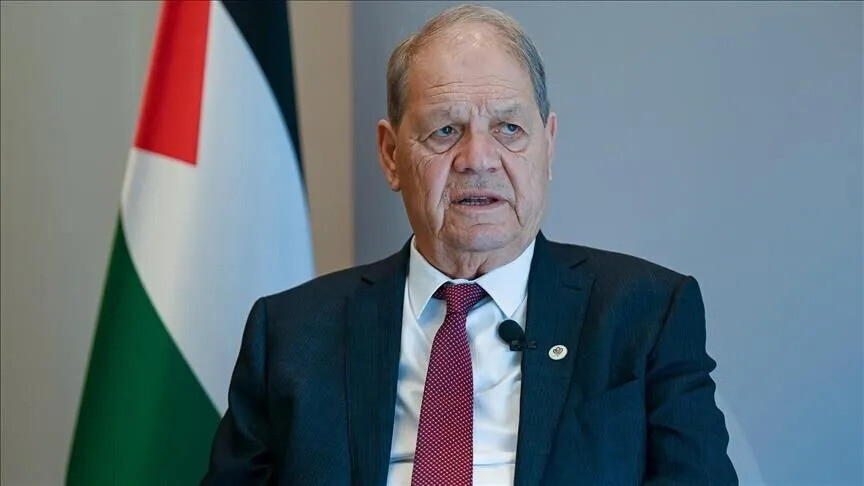
Head of the Palestinian National Council Rawhi Fattouh considered that the European Union's decision to continue preparing restrictions on trade with settlements "reflects a growing recognition of the illegality of settlements"..
Istanbul / Husni Nadim / Anadolu
The head of the Palestinian National Council, Rawhi Fattouh, welcomed on Tuesday the European Union's decision to task ambassadors of member states to continue preparing restrictions targeting trade with Israeli settlements, considering it a "positive step in the right direction."
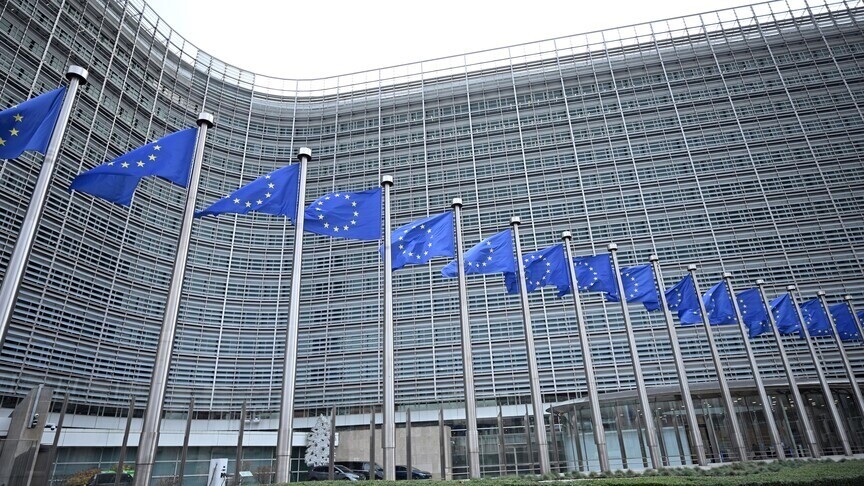
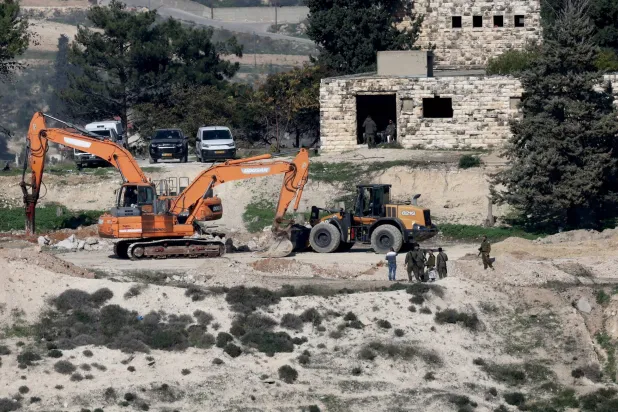
On Monday, EU foreign ministers tasked the ambassadors of the 27 member states with continuing to prepare and formulate concrete options and restrictions targeting trade with Israeli settlements built in the occupied Palestinian territories.
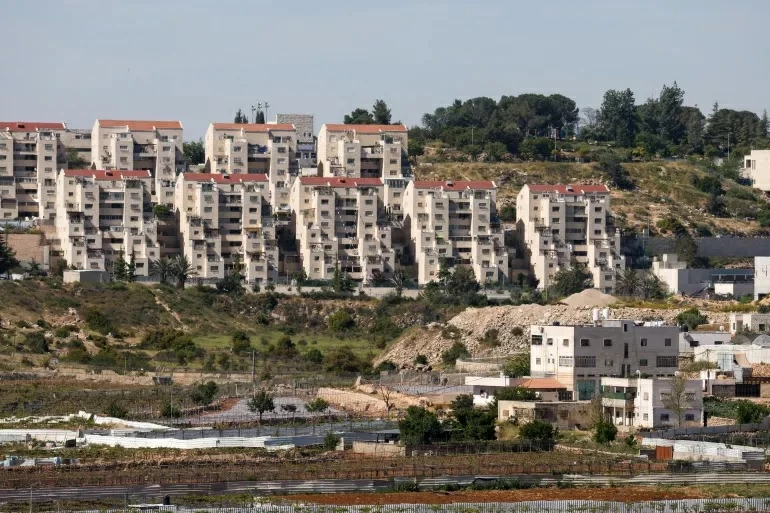
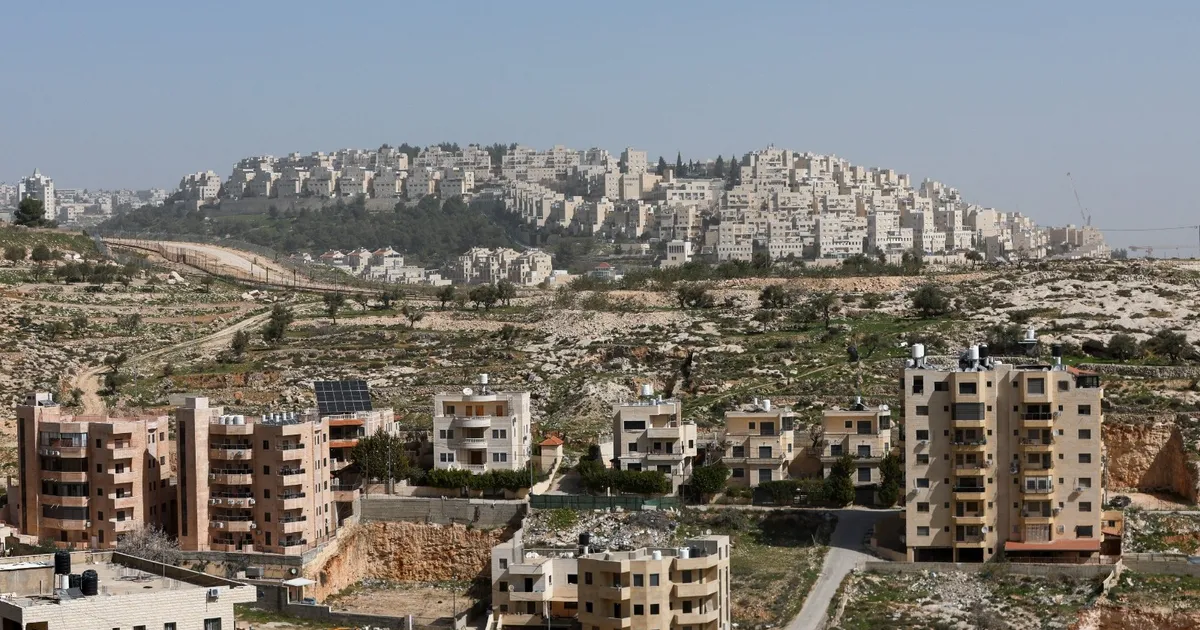
The Israeli left-wing movement Peace Now estimates the number of settlers in the occupied West Bank at about half a million, in addition to about 250,000 in settlements built in occupied East Jerusalem.
Fattouh said in a statement that the decision reflects "a growing recognition of the illegality of settlement, and the need to align European policies with the provisions of international law and international legitimacy resolutions."
He added that this step needs to be complemented with more effective practical measures, in light of the continued attacks by settlers, which he said are supported and encouraged by figures and ministers in the Israeli government, through providing political, legal cover and security protection for them.
He considered that this "entrenches a policy of impunity, and fuels settlement expansion and ongoing violations against the Palestinian people."
Fattouh called on the European Union to build on this step by adopting more decisive measures that ensure stopping any direct or indirect support for settlements, thereby enhancing respect for international law, contributing to protecting the rights of the Palestinian people, and reviving the chances of achieving a just peace based on the two-state solution.
Under the partnership agreement between the European Union and Israel, Israeli products benefit, under specific conditions, from preferential customs tariffs.
However, products manufactured in Israeli settlements built in the occupied West Bank, East Jerusalem, and the Golan Heights do not benefit from this preferential system, although their import into the European Union is not completely prohibited.
Some exporters manage to circumvent current rules by providing false data on the origin of products, or mixing goods manufactured in settlements with products manufactured inside Israel.
A report issued last month by the Global Echo Litigation Center revealed that 17.2 percent of more than 5,900 shipments of Israeli agricultural products exported to Europe between 2017 and 2026 came from illegal Israeli settlements.
Original source: Anadolu Agency

Comments (0)
Be the first to comment.