Rome negotiations progress towards implementation... Aoun insists on 'framework agreement'

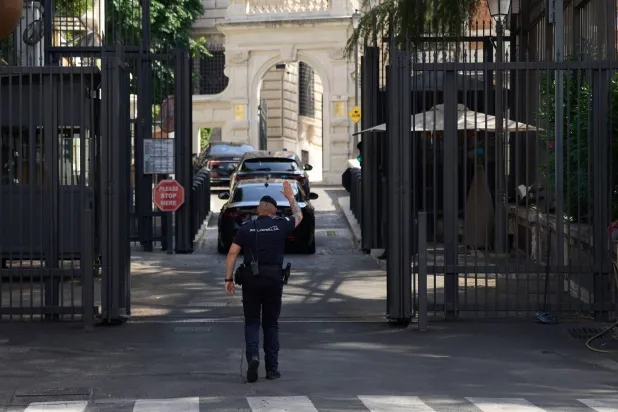
The sixth round of direct Lebanese-Israeli negotiations concluded in Rome on Wednesday amid indications of progress in discussing the mechanisms for implementing the 'framework agreement' signed in Washington on June 26, particularly regarding the start of the first phase, the Israeli withdrawal from the 'pilot areas', and the timeline.
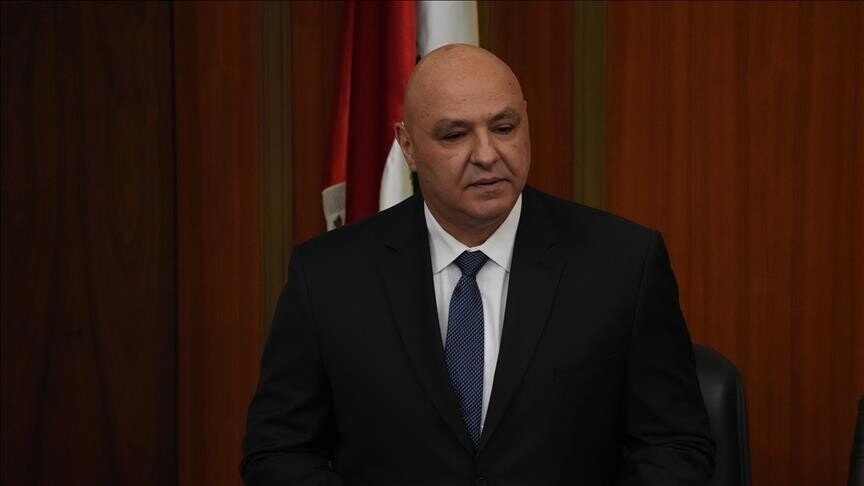
Alongside the conclusion of the round, President Joseph Aoun affirmed that 'the framework formula is the best possible' and that it 'has begun to yield results', stressing that 'Washington is now listening to Lebanon, and its file is on the US president's desk', noting that 'our goals are clear, and we will not be lenient regarding Lebanon's rights'.
In a statement, the US Embassy in Beirut described the talks between Lebanon and Israel in Rome as 'productive and positive', announcing that 'participants agreed on the structure and operational guidelines for the pilot area, with final procedures to be completed and implementation to begin in the coming days'. It added that 'the next phase will witness the launch of expanded technical talks focusing on implementing all provisions of the tripartite framework, with the aim of reaching a comprehensive agreement between Lebanon and Israel'.
Pilot areas to be implemented within days... Military meeting on Friday
Sources familiar with the negotiations, which in their sixth round were limited to the political delegation, told Asharq Al-Awsat that the discussions focused on completing understandings regarding the launch of the first phase of the agreement, with an emphasis on setting a start date for implementation, amid a trend to launch it within days if final arrangements are completed.
During the negotiations, the Lebanese delegation stressed the need to set a timeline for the stages of Israeli withdrawal from the remaining areas, after implementing the first phase in the model areas that are supposed to serve as a practical test of the agreement, a matter that has not yet been resolved.
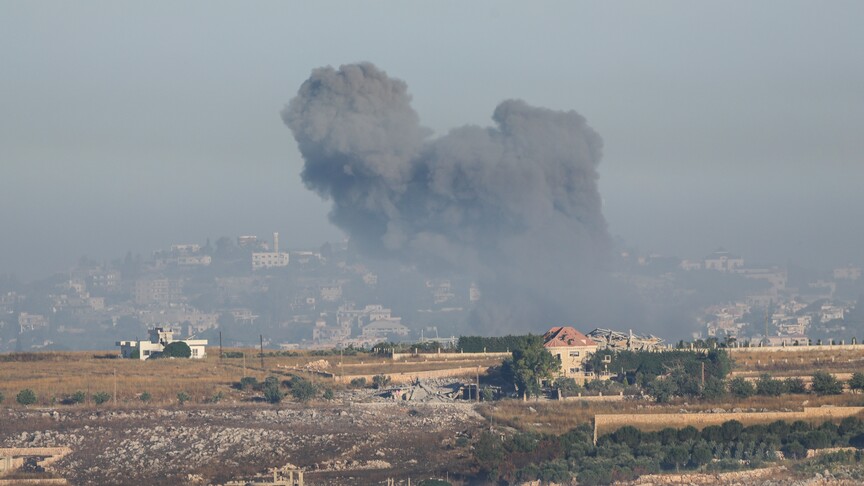
While negotiators discussed identifying five 'mixed' pilot areas between occupied areas and others subject to shelling in southern Lebanon, in preparation for the deployment of the Lebanese army there, with the process to gradually expand according to the timeline being negotiated, sources reported that 'a military meeting will be held on Friday to discuss technical details'.
The areas are: Zoutar al-Sharqiya (occupied) and Zoutar al-Gharbiya, where the Israeli army is present on their outskirts, as well as Burj Qallawiya, Sarifa, and Frun, which are villages where Hezbollah is present, like all southern villages, and are subject to ongoing Israeli shelling.
After the Israeli delegation had requested additional clarifications during the negotiations on Tuesday regarding the arrangements for the Lebanese army's deployment and mechanisms for establishing control over the areas from which it will withdraw, the Lebanese delegation presented the plan on Wednesday, following direct follow-up by the advisory team of the Lebanese presidency, with the participation of Army Commander General Rodolphe Hekal.
Israeli soldiers standing in front of a damaged house in southern Lebanon (Reuters)
Lebanon rejects Tel Aviv's participation in the verification team
The verification mechanism for implementing the agreement was also among the key topics of discussion, according to sources, who indicated that the Lebanese delegation stressed the need to limit this task to a third party, as stipulated by the 'framework agreement', and not to the Israeli side, which had demanded participation in the team. In this context, the option of the US side undertaking this task was raised, while others suggested that UNIFIL forces be tasked with verifying the Israeli withdrawal and the Lebanese army deployment, as they are still present in southern Lebanon, a matter that has not yet been resolved.
On the second day of the negotiations in Rome, the negotiators also discussed the formation of committees that are supposed to implement the 'framework agreement', including the full Israeli withdrawal and post-withdrawal arrangements. They established a mechanism for forming these committees, to be constituted at a later stage, according to sources.
Aoun: The formula is the best possible... Lebanon's rights are not negotiable
Meanwhile, President Aoun, who is visiting the United States next week, affirmed that 'the framework formula is the best possible' and that it has begun to yield results in terms of the US approach to Lebanon, noting that 'Washington is now listening to us, and Lebanon's file is on the US president's desk'.
He stressed that 'our goals are clear, and we will not be lenient regarding Lebanon's rights', calling for dialogue among Lebanese to be under the umbrella of national interest, emphasizing that the road is still full of difficulties, but hope remains high for achieving results that end the bloodshed and protect Lebanon from Israeli ambitions.
President Joseph Aoun before a delegation from the 'Orthodox Gathering': - The framework formula is the best possible and has begun to yield results, and Washington is now listening to us, and Lebanon's file is on the US president's table. - Our goals are clear and we will not be lenient regarding Lebanon's rights. - The right to differ is legitimate, not disagreement, and dialogue among Lebanese should be under the ceiling of... pic.twitter.com/CNSkylqDkN
— Lebanese Presidency (@LBpresidency) July 15, 2026
Hezbollah: The agreement does not achieve withdrawal and targets the resistance
In contrast, Hezbollah continued its attack on the 'framework agreement'; member of its parliamentary bloc, Hassan Fadlallah, said that the Lebanese authority presented 'the worst agreement in the history of states' with an occupying state, considering that it does not include any Israeli commitment to withdraw, nor does it preserve Lebanon's rights and sovereignty, but rather serves Israeli interests and aims to weaken the resistance and disarm it.
He argued that the agreement is not implementable, and that attempts to market it will not change its substance, reiterating the link between the Lebanese file and the Iranian negotiations, saying: 'Iran is working to impose an equation in the region, and this equation will be in the interest of the region and our country, and we have full confidence in the leadership of the Islamic Republic and the Iranian people that we will together reach the desired solution, which lies in the withdrawal of the enemy from our land, the cessation of all forms of aggression, the return of our people, the release of prisoners, and reconstruction; these are our principles on which we operate, and we will achieve them.'
Original source: Asharq Al-Awsat

Comments (0)
Be the first to comment.