Sinjil Mayor: Israeli Checkpoint Delay Leads to Death of Palestinian Woman
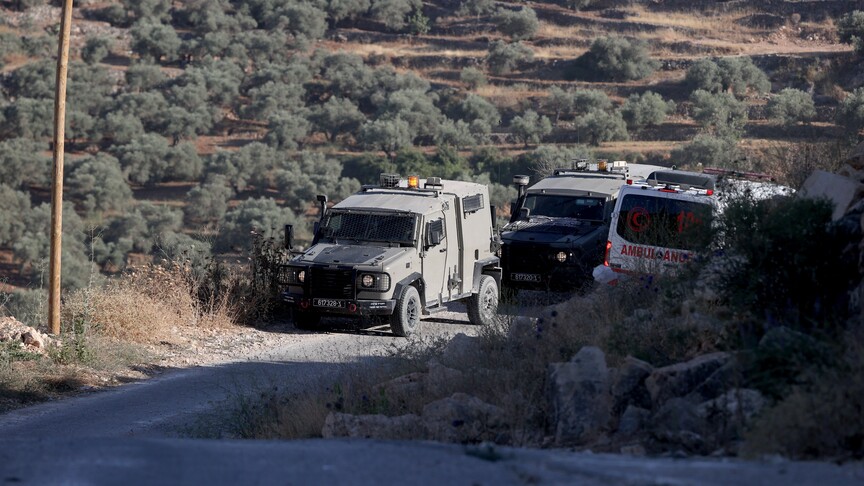
Moutaz Tawafsha, mayor of Sinjil, said that the Palestinian woman Sajoud Fuqaha needed to reach the hospital as quickly as possible to receive necessary treatment.
RAMALLAH / Anadolu
Moutaz Tawafsha, mayor of Sinjil, said that the delay of an ambulance due to the Israeli army closing one of the iron gates at the entrance of the town, located northeast of Ramallah in the occupied West Bank, led to the death of Palestinian woman Sajoud Fuqaha (30) after she suffered a heart attack.
Tawafsha explained in a video clip published by the Sinjil municipality and obtained by Anadolu, that the ambulance remained for more than 30 minutes at the military gate waiting to be allowed to pass, in an attempt to transport Fuqaha, a mother of two, to the hospital.
He continued: "It is well known how important the time factor is in such medical cases."
He pointed out that the woman needed to reach the hospital as quickly as possible to receive the necessary treatment.
The mayor asked: "How long will the iron gates and military checkpoints remain a cause for taking the lives of innocent people in Sinjil?!"
The video showed Tawafsha standing in front of the iron gate, along with scenes of the ambulance waiting for the gate to be opened and allowed to pass before transporting the patient to the hospital, and audio recordings of medics pleading to open the gate to save the woman's life.
This comes a day after more than 100 settlers attacked the outskirts of Sinjil, according to Palestinian sources, opening fire on residents and activists and burning agricultural crops.
Sinjil town is subject to repeated attacks by the Israeli army and settlers, amid Israeli military control over its entrances and tightened restrictions on Palestinian movement.
Since October 2023, the West Bank has seen an escalation in attacks by the Israeli army and settlers, resulting, according to official Palestinian data, in the killing of 1,181 Palestinians, the injury of about 13,000, and the arrest of nearly 24,000 Palestinians.
According to a report by the Commission of Resistance to the Wall and Settlements on July 6, settlers carried out 3,488 attacks during the first half of this year, including attacking Palestinian communities, burning homes, opening fire, seizing land, and establishing outposts, leading to the killing of 17 Palestinians.
Original source: Anadolu Agency


Comments (0)
Be the first to comment.