Trump informs al-Sharaa of his decision to remove Syria from state sponsor of terrorism list
Summary: The United States canceled most of the sanctions regime on Syria and nullified the 'Caesar Act,' which imposes comprehensive measures on individuals, companies, and institutions linked to former Syrian President Bashar al-Assad, but Washington says sanctions will continue to target Assad and his aides, as well as those accused of human rights violations, and other actors it says destabilize the region.
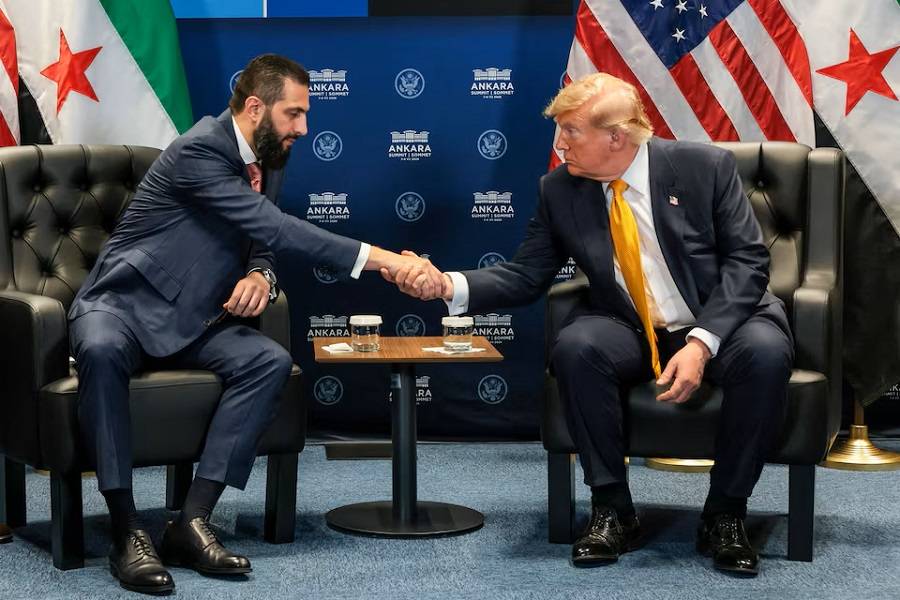
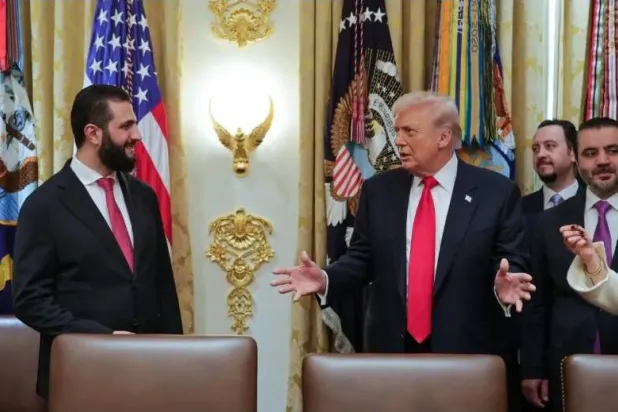
US President Donald Trump informed his Syrian counterpart Ahmad al-Sharaa on Wednesday that he has decided to remove Syria from the US list of state sponsors of terrorism.
Trump wrote in a letter to al-Sharaa: 'I promised to remove all barriers preventing you from rebuilding your country, and very soon you will finally be able to do so.'
He added in the letter, which a senior US administration official said was handed to al-Sharaa after their meeting in Ankara on Wednesday: 'We have American companies ready to invest in Syria and help make your country greater and more prosperous than ever before.'
Trump said he has informed Congress, which will now conduct a 45-day review before the decision takes effect. Inclusion on the list of state sponsors of terrorism imposes restrictions on US foreign aid, defense exports, and certain financial transactions.
Meanwhile, US Secretary of State Marco Rubio announced on Wednesday that the United States has begun procedures to remove Syria from the list of state sponsors of terrorism, a designation dating back decades. Rubio said: 'Lifting sanctions on Syria will open the door to international trade and investment, give Syria a chance to rebuild, and open a new chapter for the Syrian people.'
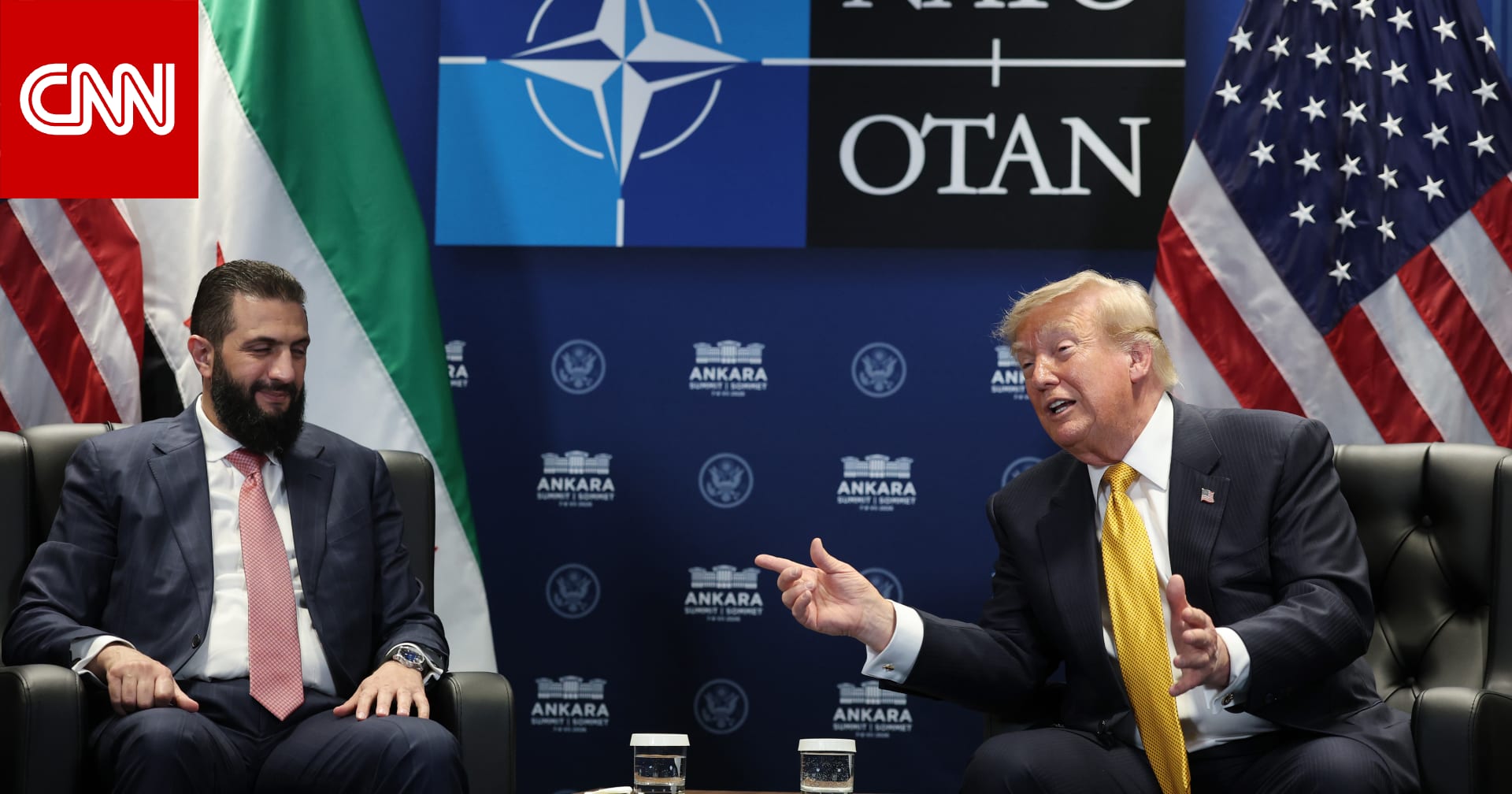
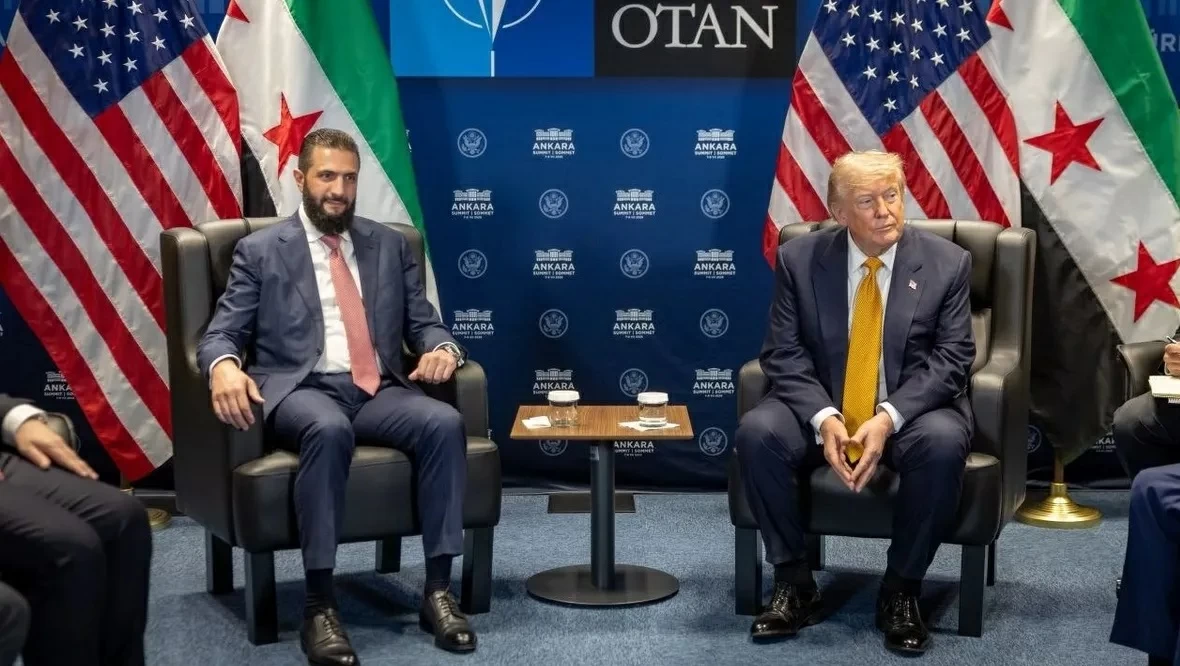
Trump attends a working session during the NATO leaders' summit in Ankara (Reuters)
The US administration said the move represents a new historic milestone in Trump's efforts to give the Syrian people 'a chance to achieve a better future,' adding that lifting sanctions on Syria will open the door to international trade and investment, give the country a chance to rebuild, and usher in a new chapter for the Syrian people, stressing that a stable, unified Syria at peace with itself and its neighbors serves the interests of the region and the world.
The administration explained that the decision to remove the designation is based on the executive order signed by President Trump on June 30, 2025, to ease sanctions on Syria, and on what it described as positive changes and counterterrorism measures taken by the Syrian government, in addition to formal pledges made by al-Sharaa that Syria will not support international terrorism in the future.
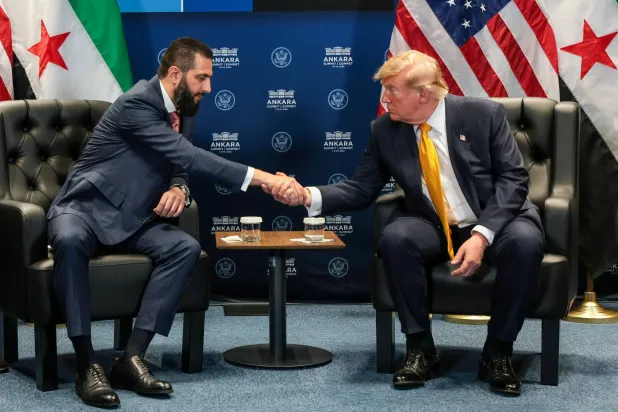
Syria's Foreign Ministry said that al-Sharaa met with Trump on Wednesday, and they discussed Syrian-American relations and ways to enhance them, in addition to discussing regional situations, adding that 'both sides stressed the importance of continued coordination on issues of mutual interest, contributing to support for Syria's unity and territorial integrity, and consolidating security and stability in the region.'
Earlier Wednesday, the US president said he believes he will remove Syria from the US list of state sponsors of terrorism. In response to reporters' questions before a meeting with Syrian President Ahmad al-Sharaa in Turkey, Trump said, 'I think I will.'
Read more
Al-Sharaa in Ankara to meet Trump on sidelines of NATO summit
Macron in Damascus and al-Sharaa meets Trump in Ankara
Trump meets with Zelenskyy and al-Sharaa on sidelines of NATO summit
Al-Sharaa denies Syria seeking military intervention in Lebanon after Trump's remarks
Earlier, the United States said it was reviewing Syria's designation as a state sponsor of terrorism, a designation that imposes restrictions on US foreign aid, defense exports, and certain financial transactions. Trump last month signed an executive order ending the US sanctions program on Syria, allowing the country's isolation from the international financial system to end, in line with Washington's commitment to help with reconstruction after a devastating civil war.
Several Saudi companies plan to inject billions of dollars in investments, as part of Riyadh's efforts to support Syria's recovery. The United States has canceled most of the sanctions regime on Syria and nullified the 'Caesar Act,' which imposed comprehensive measures on individuals, companies, and institutions linked to former Syrian President Bashar al-Assad.
But Washington says sanctions will continue to target Assad and his aides, as well as those accused of human rights violations and other actors it says destabilize the region. Trump praised al-Sharaa, and Trump, who encouraged the latter's moves against ISIS in the region, said: 'He is respected by everyone, including me.'
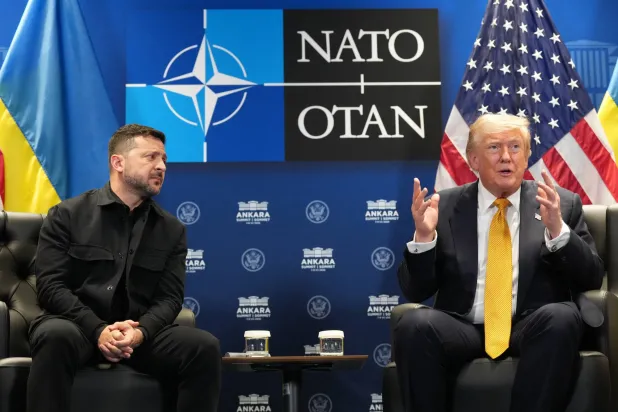
Meanwhile, a Ukrainian presidential adviser told reporters that President Volodymyr Zelenskyy held brief trilateral talks with the US and Syrian presidents on the sidelines of the NATO summit in Ankara, without providing further details.
Original source: Independent Arabia

Comments (0)
Be the first to comment.