Trump meets Aoun at the White House.. Lebanese army begins deployment in the first "experimental area"
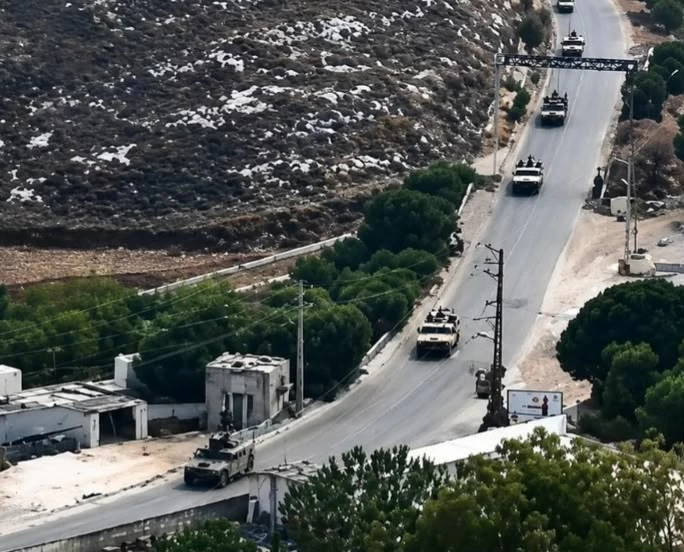
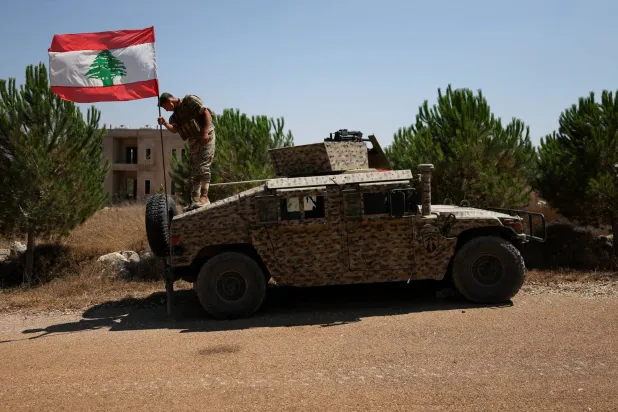
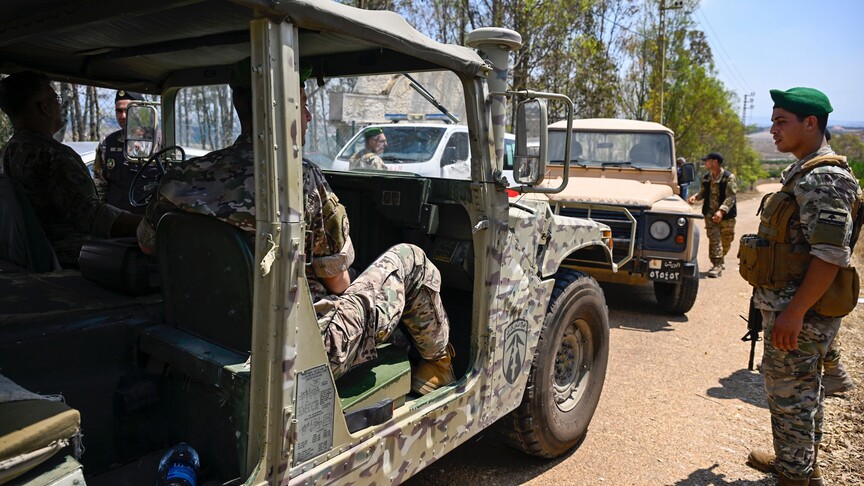
As U.S. President Donald Trump meets with his Lebanese counterpart Joseph Aoun in the White House within hours, security arrangements south of the Litani River entered a phase of practical and precise testing this morning (Tuesday), with units of the Lebanese Army and its engineering teams beginning to deploy in the town of Zoutar al-Gharbiyeh (Nabatieh District), marking the first practical application of the concept of "experimental areas" stemming from the framework agreement brokered by the U.S. and coordinated through a trilateral effort.
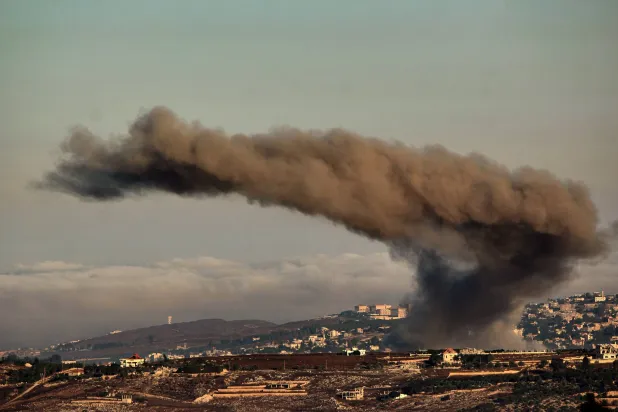
This deployment followed the withdrawal of Israeli military vehicles from the town in the early hours of the morning, after a night that witnessed several explosions targeting sites and infrastructure around the municipalities of Zoutar al-Sharqiyah and al-Gharbiyeh. As soon as the Israeli forces left, engineering teams from the Lebanese Army began extensive surveying of the town's streets and residential neighborhoods to dismantle explosives and war remnants, alongside controlled detonations to secure field points in preparation for establishing military positioning.
While intensive communications continued through the military coordination group specific to Lebanon to monitor the developments of the field movement, the Lebanese Army Command issued firm directives urging citizens not to head to the town at this time and to fully comply with the instructions of the deployed units until the security situation stabilizes completely, while also noting the continuation of their missions in other southern areas such as Froun and Srifa.
On the Israeli side, today's step is being closely monitored and widely anticipated within military circles, as Zoutar al-Gharbiyeh is considered a "field test" of the Lebanese Army's ability to take charge of security initiatives and prevent the return of armed manifestations or illegal infrastructure to the affected areas. Tel Aviv links any subsequent withdrawal steps in other towns to the success of this experimental model and the evaluation of the army's field performance results.
These field developments have particular sensitivity as they coincide with high-level political and international communications led by Washington, as the success of the deployment in Zoutar al-Gharbiyeh is viewed as a fundamental condition for advancing negotiations towards comprehensive calm and establishing mechanisms for gradual withdrawal along the border strip.
As U.S. President Donald Trump meets with his Lebanese counterpart Joseph Aoun in the White House within hours, security arrangements south of the Litani River entered a phase of practical and precise testing this morning (Tuesday), with units of the Lebanese Army and its engineering teams beginning to deploy in the town of Zoutar al-Gharbiyeh (Nabatieh District), marking the first practical application of the concept of "experimental areas" stemming from the framework agreement brokered by the U.S. and coordinated through a trilateral effort.
This deployment followed the withdrawal of Israeli military vehicles from the town in the early hours of the morning, after a night that witnessed several explosions targeting sites and infrastructure around the municipalities of Zoutar al-Sharqi and al-Gharbiyeh. As soon as the Israeli forces left, engineering teams from the Lebanese Army began extensive surveying of the town's streets and residential neighborhoods to dismantle explosives and war remnants, alongside controlled detonations to secure field points in preparation for establishing military positioning.
While intensive communications continued through the military coordination group specific to Lebanon to monitor the developments of the field movement, the Lebanese Army Command issued firm directives urging citizens not to head to the town at this time and to fully comply with the instructions of the deployed units until the security situation stabilizes completely, while also noting the continuation of their missions in other southern areas such as Froun and Sarifa.
On the Israeli side, today's step is being closely monitored and widely anticipated within military circles, as Zoutar al-Gharbiyeh is considered a "field test" of the Lebanese Army's ability to take charge of security initiatives and prevent the return of armed manifestations or illegal infrastructure to the affected areas. Tel Aviv links any subsequent withdrawal steps in other towns to the success of this experimental model and the evaluation of the army's field performance results.
These field developments have particular sensitivity as they coincide with high-level political and international communications led by Washington, as the success of the deployment in Zoutar al-Gharbiyeh is viewed as a fundamental condition for advancing negotiations towards comprehensive calm and establishing mechanisms for gradual withdrawal along the border strip.
Original source: Okaz


Comments (0)
Be the first to comment.