US attacks southern Iran, as Tehran hits Gulf countries: What’s the latest?

Iran struck Bahrain, Qatar, Oman, Jordan and Syria in retaliation for US strikes.
For the sixth consecutive night, the United States launched strikes against Iran.
The intensifying strikes come amid failed diplomatic efforts to halt hostilities between the two nations.

By Sarah Shamim
Published On 17 Jul 202617 Jul 2026
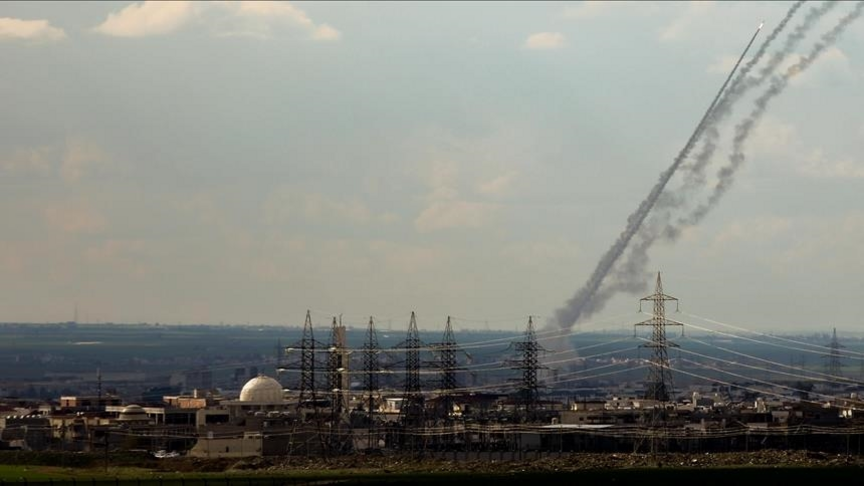
The US conducted a fresh wave of major attacks on Iran for the sixth straight night, while Iran retaliated with missiles and drones targeting several Gulf nations and US bases across the region.
According to AFP, Iranian officials report 38 fatalities and over 400 injuries from US strikes since the two sides met in Switzerland on June 22 for 60-day negotiation talks; at least eight of those deaths occurred in the latest overnight attacks.
Here is a recap of what happened over Thursday night and on Friday so far.
Where was Iran attacked?
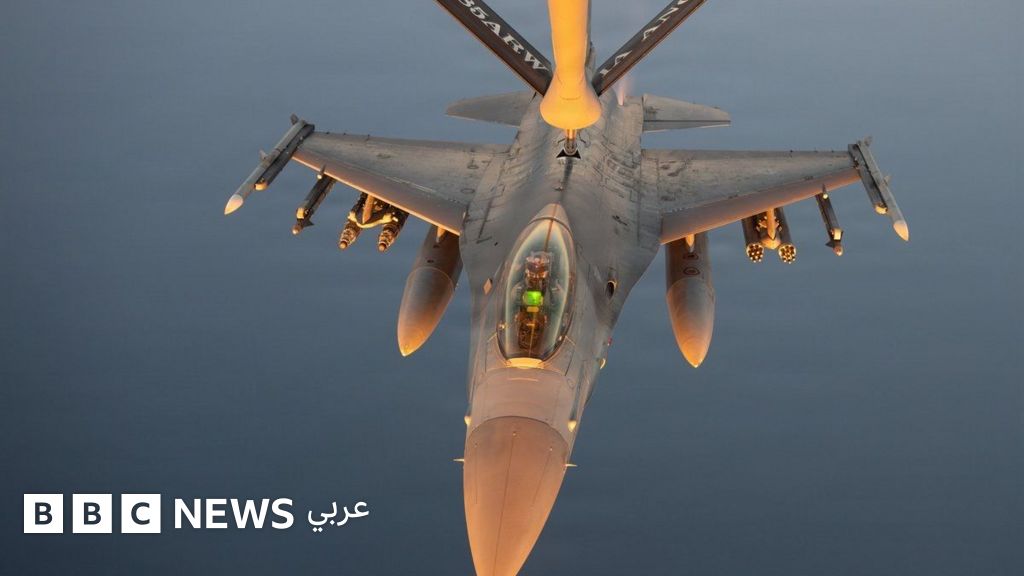
The US Central Command (CENTCOM) said that at 01:40 GMT on Friday, it completed its latest major wave of attacks against Iran. The US military did not provide many details about the specific sites it hit in Iran.
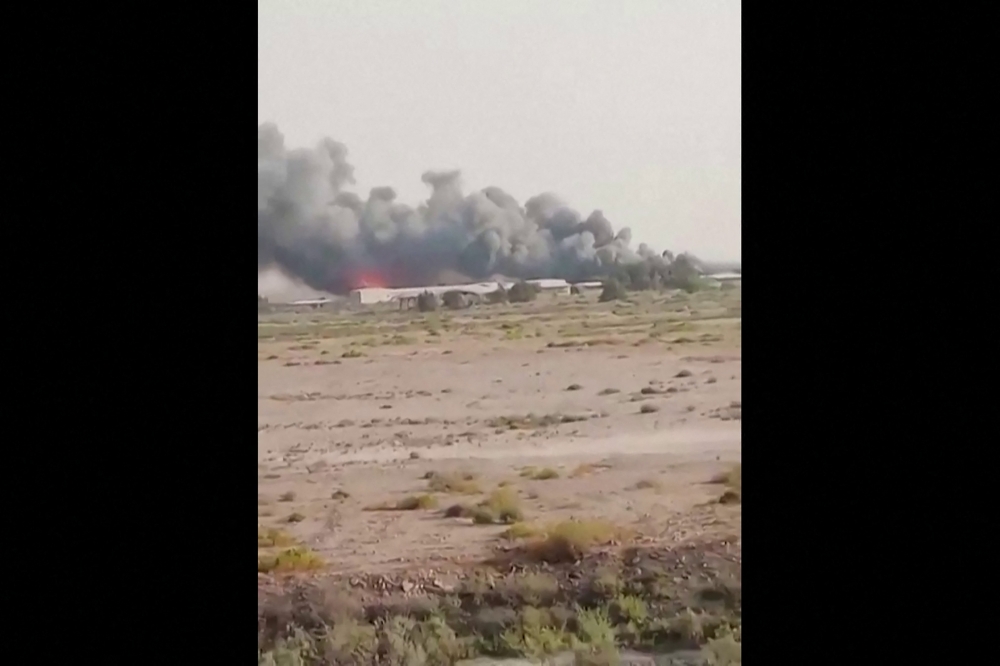
However, Iranian media reports said US forces struck at least six bridges, a railway station and other sites across Iran, killing at least eight people and injuring several.
Iran’s Fars news agency said the six bridges that were struck in the southern Hormozgan province include:
- The Gariveh bridge connecting Bandar Abbas to Khmeir and Lara
- A bridge near the village of Latidan
- Two bridges on the Kahoorestan-Lar route
- A partially constructed bridge connecting Bandar e-Khamir, Keshar and Bandar Abbas
- A bridge in the village of Maru, in the Khmeir district.
Iran’s Ministry of Energy says the latest US attacks have caused damage to power lines in Bandar Abbas and surrounding villages.
Power outages were reported in southern Iran, and electricity started to be restored in certain areas.
Which Gulf countries were attacked?
On Friday morning, Iran’s Islamic Revolutionary Guard Corps (IRGC) claimed a 13th wave of retaliatory strikes against US bases since hostilities renewed.
Bahrain: Air raid sirens were activated in Bahrain on Friday morning as the Ministry of Interior urged people to remain calm.
Qatar: Early on Friday, Qatar’s authorities issued two separate alerts about an hour apart, after the country came under attack from Iranian projectiles, including at least one missile. The projectiles were all intercepted, the country’s Ministry of Defence said. Qatar’s Ministry of Interior reported that one child was injured by falling shrapnel during aerial interceptions over Doha. The child is receiving medical treatment.
Oman: Iran’s IRGC, on Friday, claimed to have destroyed a US air control radar in Oman’s Ghanim region and a maritime control radar on rocks in the Strait of Hormuz, in waters dividing Iran and Oman. A tanker was hit by an unknown projectile on Thursday while sailing about 19 nautical miles (equivalent to about 35km) east of Khasab, Oman, the United Kingdom Maritime Trade Operations agency has said.
Kuwait: The IRGC said on Friday that it hit a US military base in Kuwait, striking a missile defence radar, several key weapons depots and two HIMARS surface-to-surface missile launchers, according to Iran’s Mehr news agency.
Jordan: The Jordanian army said on Friday that it shot down three Iranian missiles targeting the country after its air defence systems intercepted them. The army said the incident did not cause any human casualties, as Jordan’s Royal Engineering Corps teams dealt with falling shrapnel.
Syria: The IRGC said it attacked a US special operations command centre at the al-Tanf military base in Syria, the Tasnim news agency reported on Friday. The IRGC added that the attack was in retaliation for the killing of Iranian soldiers in Iranshahr.
What are Iranian and US leaders saying?
Iranian military spokesperson Ebrahim Zolfaghari said the Strait of Hormuz “will never return to what it was before the 40-day war”, accusing the US of destabilising the waterway.
In a podcast episode with Joe Rogan on Wednesday, US Vice President JD Vance said several Israeli government members tried to influence US public opinion to oppose a deal in the US war with Iran.
“I know beyond a shadow of a doubt that there have been people within the Israeli government who are trying to, like, actually shift us away from that policy because they want to continue the military campaign,” Vance said.
The conflict, which escalated after the breakdown of negotiations in Switzerland last month, shows no signs of de-escalation. Iran's retaliatory strikes risk drawing in other regional powers, while the continued US bombing campaign is causing significant civilian casualties and infrastructure damage, including power outages in southern Iran.
Original source: Al Jazeera


Comments (0)
Be the first to comment.