U.S. Secretary of State: Iran's Lack of Seriousness Hinders Political Solution
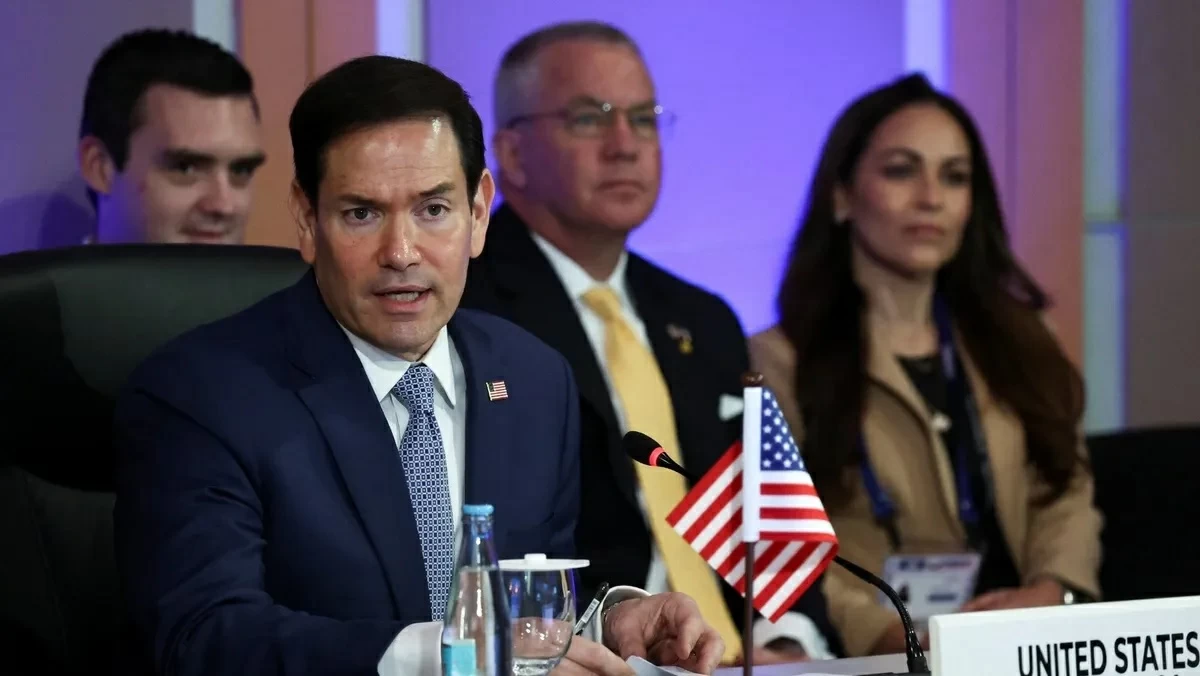
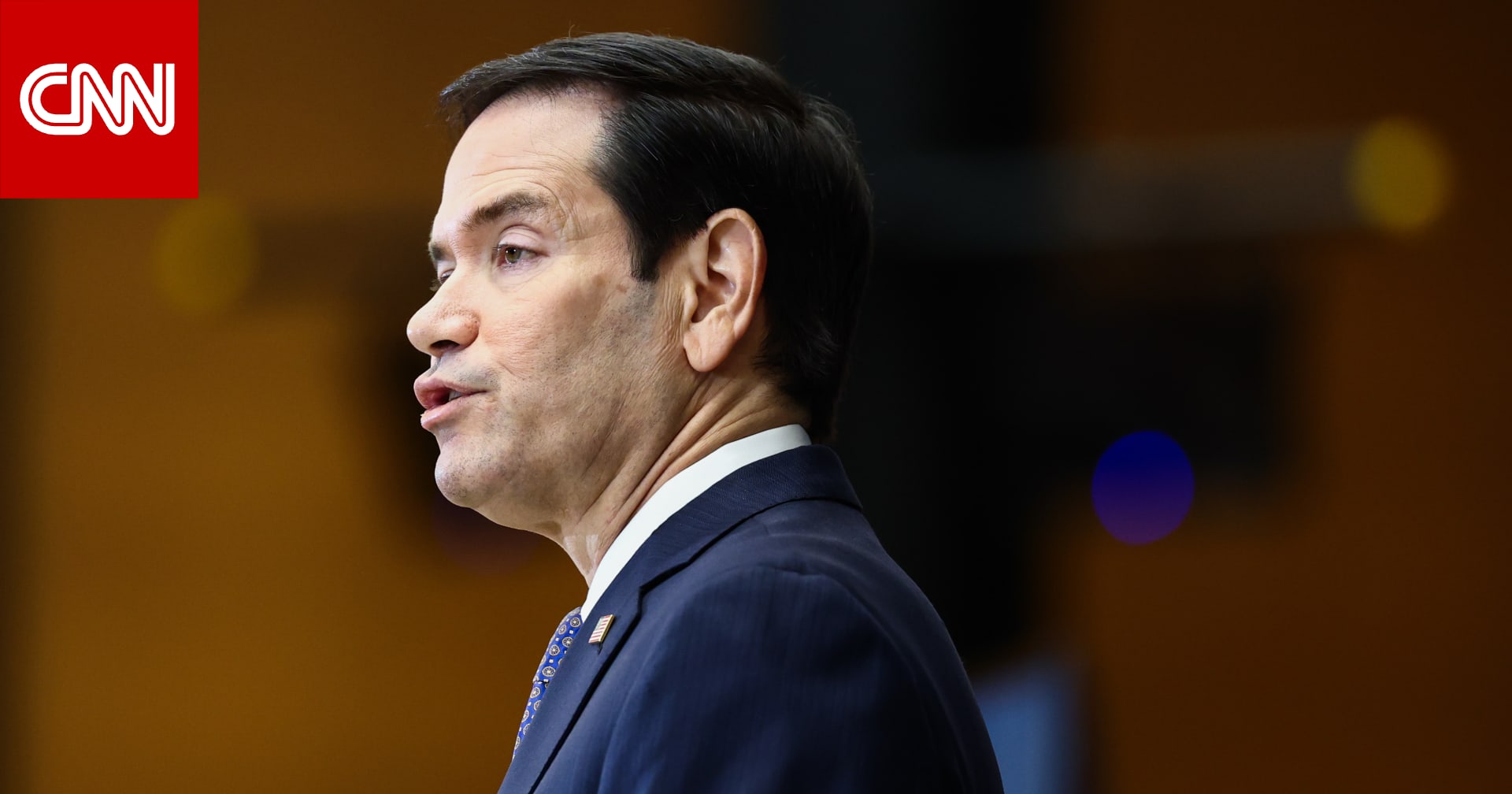
U.S. Secretary of State Marco Rubio accused Iran of not being serious about negotiations.
He stated in remarks during a meeting of the foreign ministers of the Association of Southeast Asian Nations (ASEAN) today (Wednesday): "The main obstacle to resuming the diplomatic path is that Iran is not serious about the talks, considering that the lack of seriousness from Tehran hinders any progress toward a political solution."
Rubio emphasized that the United States remains open to starting negotiations to overcome the disagreements related to the Middle East conflict, stressing Washington's readiness to engage in dialogue and negotiations with Iran to reach a settlement.
He added that the United States is still prepared to communicate and negotiate if the necessary will to resolve the disputes is present, at a time when regional tensions continue amid military escalation in the area.
Rubio warned that the blockade or disruption of international waterways represents a highly dangerous precedent that could extend its effects to other parts of the world, including Asia.
He pointed out that any threat to freedom of navigation does not only affect the Middle East but also impacts the global economy and international supply chains, affirming that the rules of trade and international commerce are now threatened, and this cannot be allowed to happen.
Rubio's remarks come amid ongoing tensions regarding navigation security in the Strait of Hormuz, one of the most important maritime routes for transporting oil and gas in the world, amidst repeated U.S. calls to maintain freedom of navigation and prevent any actions that could affect global trade movement.
Rubio's statements came as the U.S. Central Command announced that it had successfully completed the eleventh consecutive night of strikes against Iran. It reported that its forces targeted Iranian military operation centers, naval capabilities, aircraft hangars, drone storage facilities, and military logistical infrastructure, as part of "continuing to undermine Iran's ability to threaten commercial navigation in the Strait of Hormuz."
The command noted that over the past three months, Iran has attacked more than 30 commercial vessels while they were transiting through the Strait of Hormuz. It indicated that these unprovoked attacks have endangered hundreds of civilian sailors and undermined the principle of freedom of navigation. The Central Command added that despite the Iranian escalation, "the Strait of Hormuz remains open to the passage of commercial vessels." It mentioned that since early May, its forces have helped facilitate the passage of about 900 commercial ships and the transport of approximately 450 million barrels of crude oil through the strait.
For his part, the spokesman for the National Security Committee in the Iranian parliament, Hassan Qashqavi, claimed that Tehran has not requested negotiations with the United States, while an Iranian interior ministry spokesman stated that Pakistan is the main mediator between Iran and the United States in the negotiations, and that it may convey any messages regarding the talks during Minister Iskandar Moameni's current visit to Islamabad.
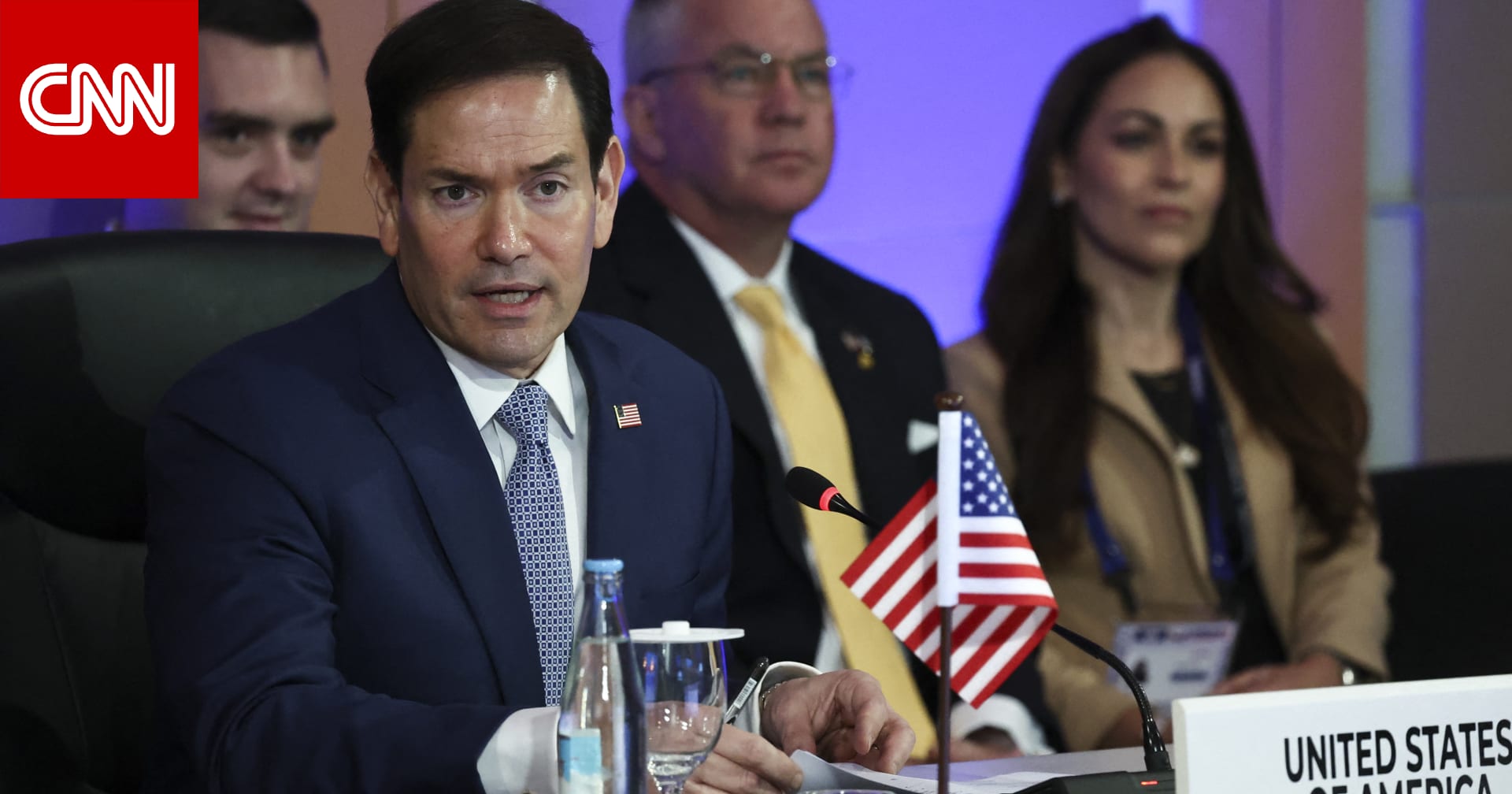
U.S. Secretary of State Marco Rubio accused Iran of not being serious about negotiations.
He stated in remarks during a meeting of the foreign ministers of the Association of Southeast Asian Nations (ASEAN) today (Wednesday): "The main obstacle to resuming the diplomatic path is that Iran is not serious about the talks, considering that the lack of seriousness from Tehran hinders any progress toward a political solution."
Rubio emphasized that the United States remains open to starting negotiations to overcome the disagreements related to the Middle East conflict, stressing Washington's readiness to engage in dialogue and negotiations with Iran to reach a settlement.
He added that the United States is still prepared to communicate and negotiate if the necessary will to resolve the disputes is present, at a time when regional tensions continue amid military escalation in the area.
Rubio warned that the blockade or disruption of international waterways represents a highly dangerous precedent that could extend its effects to other parts of the world, including Asia.
He pointed out that any threat to freedom of navigation does not only affect the Middle East but also impacts the global economy and international supply chains, affirming that the rules of trade and international commerce are now threatened, and this cannot be allowed to happen.
Rubio's remarks come amid ongoing tensions regarding navigation security in the Strait of Hormuz, one of the most important maritime routes for transporting oil and gas in the world, amidst repeated U.S. calls to maintain freedom of navigation and prevent any actions that could affect global trade movement.
Rubio's statements came as the U.S. Central Command announced that it had successfully completed the eleventh consecutive night of strikes against Iran. It reported that its forces targeted Iranian military operation centers, naval capabilities, aircraft hangars, drone storage facilities, and military logistical infrastructure, as part of "continuing to undermine Iran's ability to threaten commercial navigation in the Strait of Hormuz."
The command noted that over the past three months, Iran has attacked more than 30 commercial vessels while they were transiting through the Strait of Hormuz. It indicated that these unprovoked attacks have endangered hundreds of civilian sailors and undermined the principle of freedom of navigation. The Central Command added that despite the Iranian escalation, "the Strait of Hormuz remains open to the passage of commercial vessels." It mentioned that since early May, its forces have helped facilitate the passage of about 900 commercial ships and the transport of approximately 450 million barrels of crude oil through the strait.
For his part, the spokesman for the National Security Committee in the Iranian parliament, Hassan Qashqavi, claimed that Tehran has not requested negotiations with the United States, while an Iranian interior ministry spokesman stated that Pakistan is the main mediator between Iran and the United States in the negotiations, and that it may convey any messages regarding the talks during Minister Iskandar Moameni's current visit to Islamabad.
Original source: Okaz
Comments (0)
Be the first to comment.