US: Sudanese Army Used Chemical Weapons, We Demand International Inspection

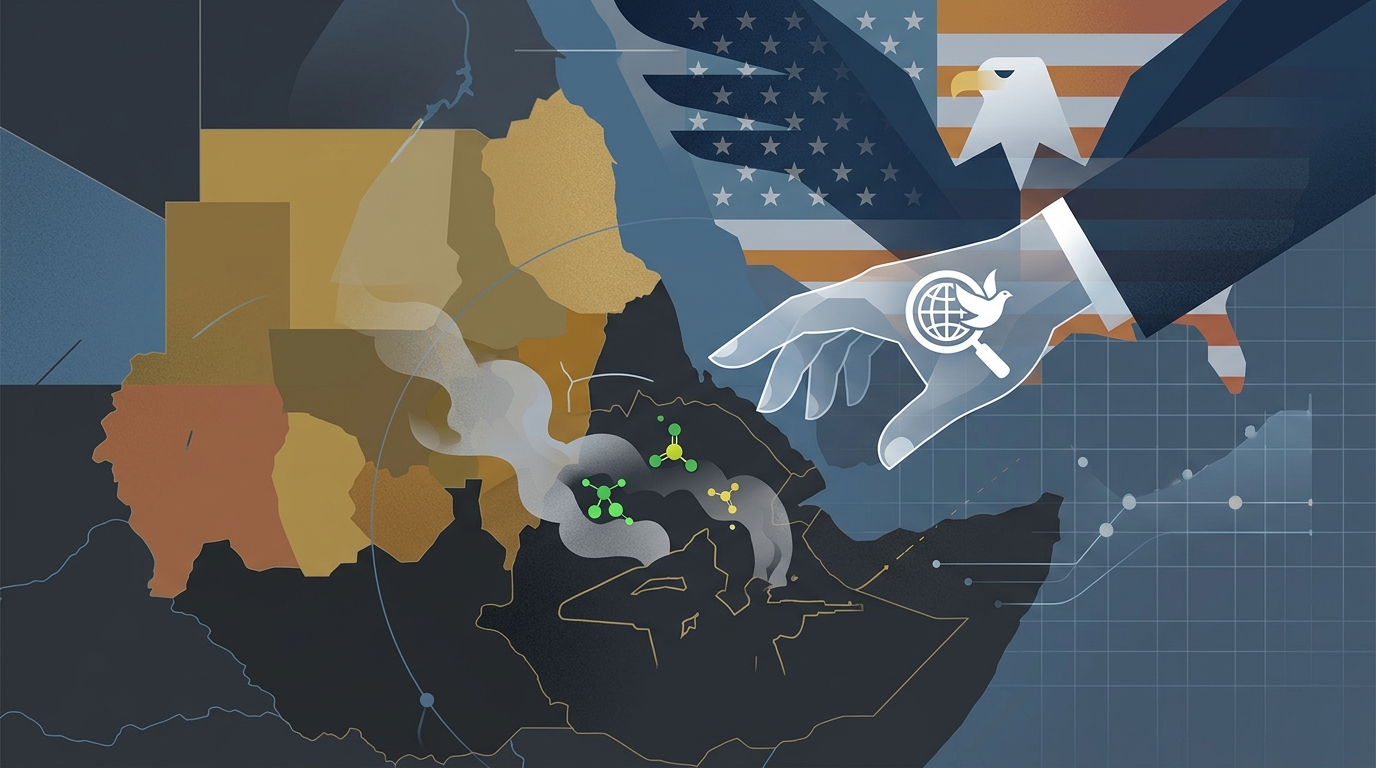
In the first official position at this level, the United States said that the Sudanese army used chemical weapons, and demanded that the Port Sudan authorities submit a comprehensive declaration of their chemical program, allow international verification and field inspection operations without restrictions, and implicitly hinted that Sudan is ineligible to continue its membership in the organization's Executive Council as long as it remains non-compliant with its obligations under the Chemical Weapons Convention.
This came in a speech delivered by the United States before the 102nd session of the organization's Executive Council, held in The Hague, Netherlands, under the item 'Addressing the Threat Posed by the Use of Chemical Weapons (Sudan)'.
Washington said that its independent national technical assessments, based on 'rigorous and independent technical analysis,' concluded that the Sudanese army used chemical weapons during 2024 and remained in non-compliance with the Chemical Weapons Convention during 2025, stressing that the prohibition on the use of these weapons is 'absolute and non-negotiable' under Article I of the convention.
In a notable escalation, US Ambassador to the Organization for the Prohibition of Chemical Weapons, Nicole Shampine, stated in the US national statement before the same session that the Sudanese army used 'chlorine as a chemical weapon,' the first official US statement to publicly specify the type of chemical substance Washington accuses the Sudanese army of using.
The United States demanded that the Port Sudan authorities begin procedures to return to compliance by submitting a comprehensive and accurate declaration to the organization's Technical Secretariat containing all information related to chemical facilities and weapons in Sudan, followed by allowing immediate, transparent, and unobstructed access for the organization's teams to enable them to conduct a comprehensive field verification process.
Washington rejected considering the national technical committee formed by the Port Sudan authorities as a substitute for international verification mechanisms, stressing that internal mechanisms do not replace compliance with the convention or independent verification.
It also clarified that it did not send any personnel to Sudan to conduct independent investigations, nor did it supervise or direct any internal investigation conducted by the Sudanese committee, noting that it sufficed with informing the authorities in Sudan of the results of its assessment and urging them to fulfill their international obligations.
The United States affirmed that the continued failure of the Port Sudan authorities, dominated by the army, to return to compliance has resulted in new punitive measures, noting that it has already imposed a second round of sanctions under US law due to Port Sudan's failure to meet the required conditions.
At the same time, it affirmed that it remains ready to work with them to resolve this issue, but stressed that compliance with the Chemical Weapons Convention is not an option but an international legal obligation.
In the harshest part of the speech, the United States considered that the credibility of the Organization for the Prohibition of Chemical Weapons is at stake, and said that a state party that has used chemical weapons and failed to return to compliance should not continue its membership in the organization's Executive Council.
Related News
It also called on member states to uphold the integrity of the Chemical Weapons Convention and protect the credibility of the international treaty system, demanding that the selection of Executive Council members be limited to states that fully and verifiably comply with all their obligations under the convention, in a direct reference to Sudan's current membership, held de facto by the Port Sudan authorities, in the organization's Executive Council.
This statement is considered one of the harshest US positions toward the Port Sudan authorities regarding allegations of chemical weapons use, which Washington says and which are also documented by several human rights reports and international journalistic investigations, indicating that the Sudanese army used them in its war against the Rapid Support Forces. It not only renewed the accusation against the Sudanese army of using chemical weapons but also included the first official US identification of the type of chemical substance used, chlorine, and linked continued non-compliance to the state's eligibility to participate in the management of the organization's affairs, in a diplomatic escalation reflecting Washington's insistence on subjecting the Port Sudan authorities to an independent international investigation and full verification of their compliance with their obligations under the Chemical Weapons Convention.
Original source: Sky News Arabia

Comments (0)
Be the first to comment.