Washington Calls on Citizens to Reconsider Travel to Middle East
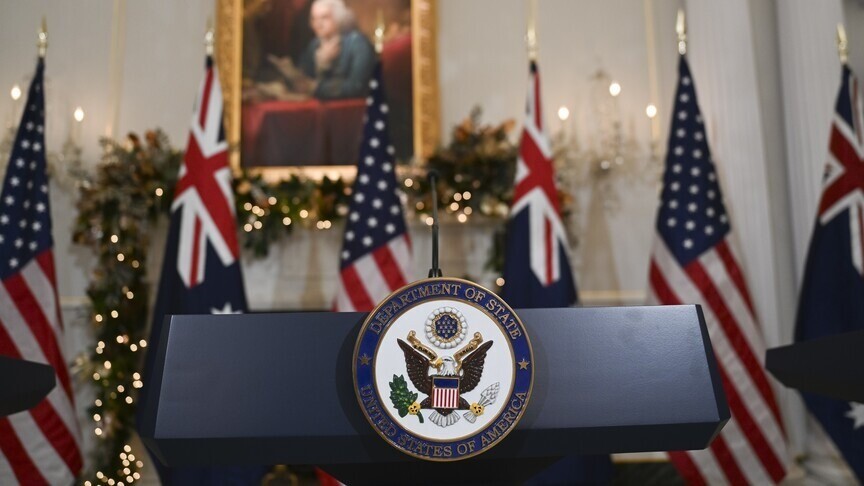
Due to rising tensions, according to a statement by the US Embassy in Israel..
JERUSALEM / Anadolu
On Friday, the United States called on its citizens to review travel and transit plans across the Middle East region amid escalating current tensions.
These warnings come at a time when the region is witnessing escalating tensions that directly affect air, land, and sea transport.
The US Embassy in Israel, in an alert posted on its website, explained that the regional security environment is complex with the possibility of sudden escalation.
It added: "Americans currently in the Middle East should exercise caution and vigilance, prepare for flight cancellations, periodic airspace closures, and the possibility of travel disruptions."
The diplomatic mission continued, stating that citizens outside the region are required to reassess travel to it, while travelers must track developments in air traffic and airports.
It added: "U.S. diplomatic facilities, including those outside the Middle East, have been targeted, and Iran and its supporting groups may target other U.S. interests abroad or sites associated with the United States and Americans worldwide, including U.S. companies and institutions."
In Israel, official and media indicators and statements are increasing regarding preparations for a possible new escalation against Iran, amid a raised level of military readiness and anticipation of developments related to the ongoing confrontations between Tehran and Washington.
For about two weeks, the United States has been launching successive waves of strikes on sites inside Iran, while Tehran responds with missile and drone attacks on military bases, facilities, and sites it says are linked to Washington in countries in the region.
U.S. President Donald Trump announced on July 8 of this month the end of the ceasefire stipulated in the memorandum of understanding signed on June 18 last.
Trump's announcement came after Iran targeted three commercial vessels in the Strait of Hormuz, as Tehran insists on imposing a mechanism to regulate the passage of ships through the strategic waterway, while Washington demands ensuring freedom of navigation and its security in the strait.
These developments coincide with a rise in official and media indicators about possible preparations for regional confrontations, especially in light of the mutual strikes and the repercussions of U.S. President Donald Trump's announcement on July 8 of the end of the ceasefire. These tensions are directly linked to the ongoing conflict in the Strait of Hormuz following the targeting of three commercial vessels, with differing positions on regulating maritime navigation. Close monitoring of air traffic and airports remains an urgent necessity for travelers to avoid any sudden airspace closures or flight suspensions.
Original source: Anadolu Agency

Comments (0)
Be the first to comment.